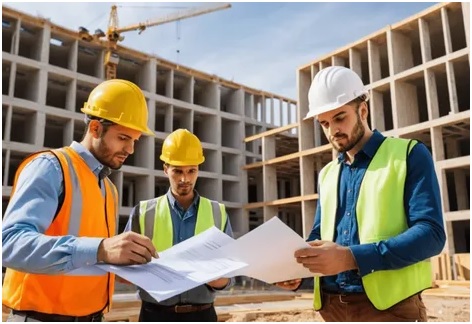
Construction projects operate under constant pressure from tight budgets, strict timelines, regulatory obligations, and multiple stakeholders. Risk and cost overruns often originate from fragmented planning, disconnected systems, and delayed visibility into project performance. Leveraging construction project management services through integrated platforms allows construction firms to unify project controls, monitor risks proactively, and maintain financial discipline throughout the delivery lifecycle. When cost data, schedules, resources, and compliance records are aligned in a single system, decision-makers gain clarity and control across every phase of construction execution.
1. Centralized Project Governance
Centralized governance establishes a unified framework for managing construction projects consistently and transparently across teams and locations.
- Unified project data repository
A centralized repository consolidates schedules, budgets, contracts, drawings, and progress updates into one system. This eliminates data silos, reduces duplication, and ensures that all stakeholders rely on the same verified information when making decisions. - Standardized project workflows
Standardized workflows ensure that approvals, change orders, and reporting follow consistent processes. This reduces variability across projects and improves accountability, helping teams maintain control over execution and compliance. - Real-time stakeholder visibility
Real-time access allows executives, project managers, and site teams to monitor progress simultaneously. This shared visibility improves coordination, speeds up approvals, and reduces delays caused by miscommunication.
2. Early Risk Identification and Mitigation
Integrated platforms support proactive risk management by analyzing project data continuously and highlighting potential threats.
- Risk trend monitoring
Historical and live data are analyzed to identify recurring patterns such as cost overruns or schedule slippage. This helps teams anticipate risks before they disrupt construction delivery. - Automated risk alerts
Automated alerts notify project leaders when predefined thresholds are exceeded. These alerts enable immediate intervention, preventing small deviations from escalating into major project setbacks. - Scenario impact evaluation
Scenario modeling allows teams to assess how risks affect cost, schedule, and resources. This supports informed decision-making and strengthens contingency planning across projects.
3. Financial Control and Cost Discipline
Cost overruns are one of the most common challenges in construction delivery. Integrated platforms align financial data with operational execution to maintain control.
- Live budget tracking
Real-time comparison of planned versus actual costs helps identify overspending early. Managers can take corrective action before financial issues impact profitability. - Procurement and cost alignment
Integrated procurement ensures purchase orders align with approved budgets. This prevents unauthorized spending and improves cost predictability throughout the project lifecycle. - Accurate cash flow forecasting
Forecasting tools analyze cost trends to predict future expenditure. This supports better financial planning and prevents funding gaps during critical project phases.
4. Workforce and Resource Optimization
Efficient resource utilization reduces both cost risk and operational delays.
- Workforce availability planning
Integrated platforms track labor availability and skills, ensuring the right personnel are assigned to tasks. This improves productivity and prevents overstaffing or shortages. - Equipment utilization monitoring
Tracking equipment usage reduces idle time and rental expenses. Managers can redeploy assets effectively across sites to maximize value. - Material usage visibility
Material consumption tracking minimizes waste and prevents shortages. This improves cost control and ensures uninterrupted construction progress.
5. Schedule Stability and Timeline Control
Delays increase costs and contractual exposure. Integrated platforms strengthen schedule reliability.
- Milestone-driven planning
Milestones keep teams focused on critical deliverables. Progress tracking against milestones improves accountability and timeline adherence. - Task dependency mapping
Dependency mapping highlights how delays impact connected activities. This allows teams to adjust plans proactively and protect project timelines. - Adaptive schedule management
Dynamic scheduling enables quick adjustments in response to changes. This flexibility helps maintain momentum without compromising cost control.
6. Contract and Compliance Oversight
Construction projects involve complex contractual and regulatory requirements.
- Centralized contract management
Contracts, variations, and obligations are stored and tracked in one system. This reduces disputes and ensures contractual compliance. - Regulatory compliance tracking
Compliance monitoring ensures adherence to safety, labor, and regulatory standards. Automated records reduce manual oversight effort. - Audit-ready documentation
Detailed logs of approvals and changes support audits and strengthen governance. This reduces legal and compliance-related risks.
7. Stakeholder Communication and Alignment
Clear communication reduces misunderstandings and rework.
- Shared performance dashboards
Dashboards provide stakeholders with real-time insights into progress and cost. This transparency improves trust and collaboration. - Role-based information access
Access controls ensure stakeholders view relevant data only. This improves security while maintaining clarity. - Integrated collaboration tools
Built-in communication tools streamline approvals and issue resolution. This reduces delays caused by fragmented communication channels.
8. Advanced Digital Project Oversight
Technology enhances oversight across complex construction environments. Using construction project management software in Saudi Arabia, firms gain structured control over multi-site operations.
- Performance analytics
Analytics identify inefficiencies and improvement opportunities across projects. This supports continuous optimization of construction delivery. - Automated reporting
Automated reports reduce manual effort and improve accuracy. Leadership gains timely insights without operational delays. - Predictive risk analytics
Predictive tools forecast potential overruns and delays. Early warnings enable proactive mitigation strategies.
9. Scalable Portfolio Management
Integrated platforms support growth without increasing risk exposure.
- Standardized portfolio controls
Uniform controls ensure consistent performance across multiple projects. This reduces operational variability. - Cross-project performance comparison
Portfolio views allow leaders to compare projects and allocate resources effectively. This improves strategic planning. - Consistent governance frameworks
Strong governance maintains quality and compliance as project volumes grow.
Conclusion
Controlling risk and cost in construction delivery requires structured visibility, integrated financial oversight, and proactive risk management. Integrated platforms bring together planning, execution, financial control, and compliance within a single system, enabling construction teams to respond quickly to challenges and maintain predictability across complex projects. By transforming fragmented data into actionable intelligence, organizations reduce uncertainty, strengthen accountability, and deliver projects with greater confidence.
Platforms such as ePROMIS or similar support this integrated approach by aligning project controls, financial management, workforce planning, and analytics in one environment. Such solutions help construction organizations improve cost transparency, manage risks consistently, and maintain operational discipline across the entire project lifecycle, supporting sustainable growth and reliable delivery outcomes.
