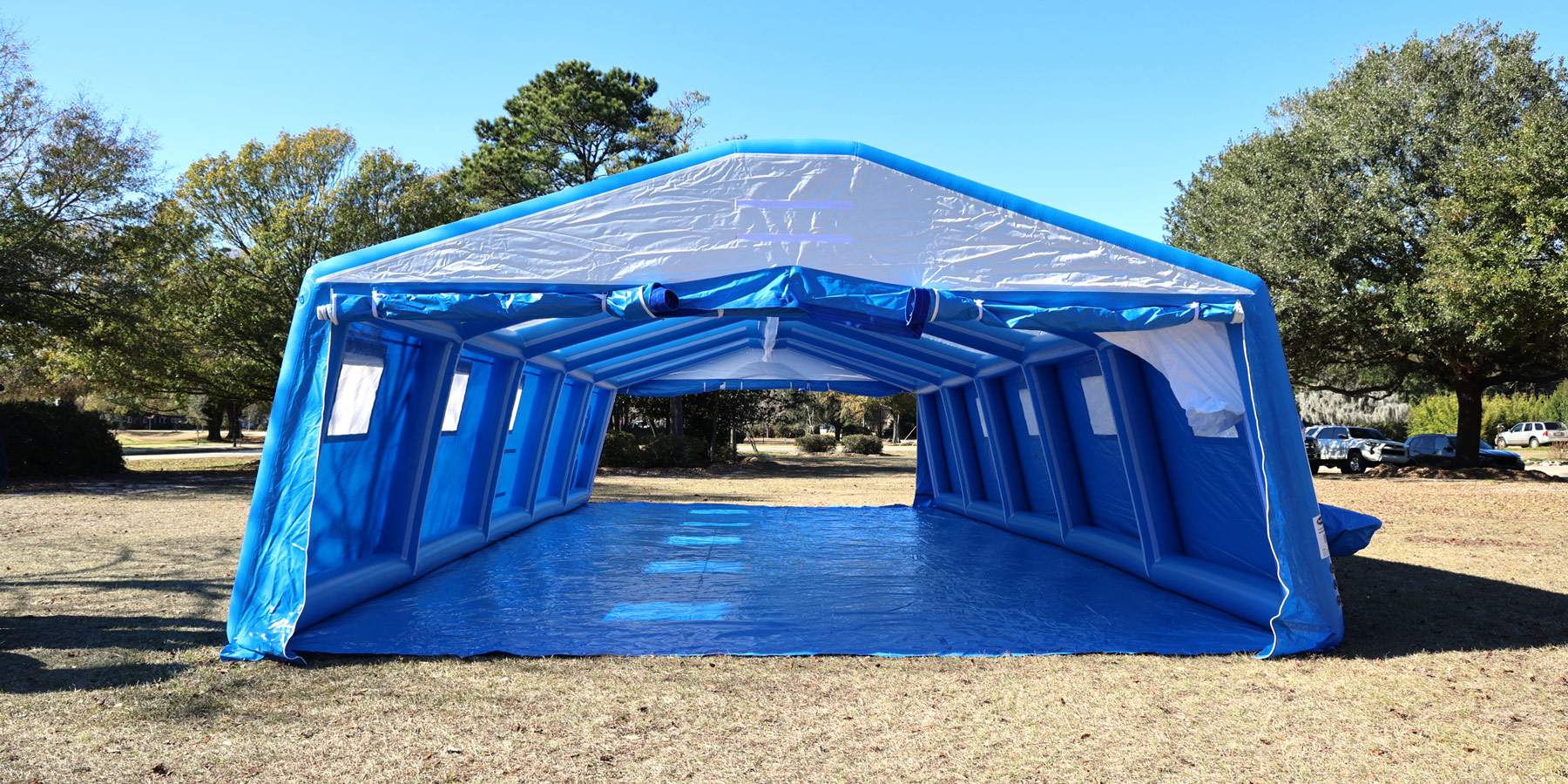
Inflatable tents are highly versatile products that rely on precision manufacturing to ensure durability, structural stability, and air-sealing performance. The production of these tents requires specialized equipment and consistent maintenance to maintain quality and efficiency. Inflatable tent factories utilize a combination of automated machines, testing tools, and skilled labor to produce tents that meet international standards. Proper maintenance of machinery and equipment ensures uninterrupted operations, reduces downtime, and extends the lifespan of both equipment and finished products.
Essential Equipment in Inflatable Tent Manufacturing
The production of inflatable tents involves multiple specialized machines and tools designed to handle materials, assembly, and testing. Fabric cutting machines, including automated laser and CNC cutters, ensure precise and consistent patterns for the outer shells and inflatable chambers. High-frequency welding machines are used to create airtight seams, while hot-air and ultrasonic welding equipment are employed for specific materials and design features. Additional equipment such as valve installation tools, sewing machines for reinforcements, and inflation testing devices are integral to the manufacturing workflow. An Inflatable Tent Factory relies on this equipment to maintain consistent product quality and streamline production processes.
Maintenance of Cutting and Welding Machines
Regular maintenance of cutting and welding machines is essential for the production of high-quality tents. Cutting machines must be calibrated frequently to ensure precision and prevent material waste. Blades, lasers, and CNC components require cleaning and alignment checks to maintain accuracy. Welding machines, particularly high-frequency units, must be inspected for proper electrical function, heat calibration, and mechanical wear. Preventive maintenance schedules, including lubrication, component replacement, and performance testing, help avoid production delays and ensure airtight seams. Skilled technicians perform these tasks to maintain machine efficiency and safety.
Inflation Testing and Air-Sealing Equipment
Inflation testing is a critical step in verifying the performance of inflatable tents. Factories use specialized air pumps, pressure gauges, and leak detection systems to assess chamber integrity and seam strength. Automated pressure monitoring systems can simulate extended use, environmental stress, and repeated inflation cycles to identify potential weak points. Regular maintenance of these testing tools, including calibration and sensor verification, is necessary to provide accurate readings and prevent faulty tents from reaching the market. Well-maintained testing equipment ensures that every tent meets durability and air-sealing standards.
Storage and Handling Equipment
Proper storage and handling equipment is also essential in inflatable tent factories. Shelving systems, pallets, and trolleys facilitate organized storage of raw materials, semi-finished products, and finished tents. These systems prevent damage to fabrics and inflatable chambers during storage and transport within the factory. Maintenance of storage equipment, such as tightening shelves, checking trolleys for smooth operation, and inspecting pallets for wear, is crucial to protect materials and maintain operational efficiency.
Software and Design Tools
Modern inflatable tent factories also rely on software for design, workflow management, and production optimization. CAD programs are used for designing tent structures, while project management and inventory tracking software ensure efficient resource allocation and workflow planning. Maintaining these digital systems includes regular updates, software troubleshooting, and data backup procedures. Well-maintained software ensures seamless coordination between design, production, and quality control teams.
Importance of Preventive Maintenance
Preventive maintenance is critical in inflatable tent factories to minimize downtime and ensure continuous production. Scheduled inspections, cleaning, and replacement of worn components prevent unexpected machine failures that could disrupt production schedules. Regular training of operators and technicians ensures that maintenance procedures are performed correctly and efficiently. Preventive maintenance also extends the operational lifespan of expensive machinery, reducing long-term costs and improving factory profitability.
Training for Equipment Handling and Maintenance
In addition to maintaining equipment, factories invest in workforce training to ensure proper operation and routine upkeep of machinery. Skilled operators are trained to identify early signs of wear, troubleshoot minor issues, and perform basic maintenance tasks. Regular refresher courses and hands-on workshops help staff stay updated with new equipment, safety protocols, and operational best practices. This combination of technical skill and maintenance knowledge enhances overall production efficiency and product quality.
Conclusion
Efficient maintenance and the use of specialized equipment are fundamental to the smooth operation of inflatable tent factories. From precision cutting machines and high-frequency welders to inflation testing systems and storage solutions, every component plays a vital role in producing high-quality, durable, and reliable tents. By implementing preventive maintenance schedules, training staff, and ensuring that machinery and software are kept in optimal condition, modern Inflatable Tent Factory operations maintain consistent production standards, minimize downtime, and meet the growing demands of domestic and international markets. Proper maintenance and equipment management not only improve efficiency but also ensure that every inflatable tent leaving the factory meets the highest standards of performance and safety.
