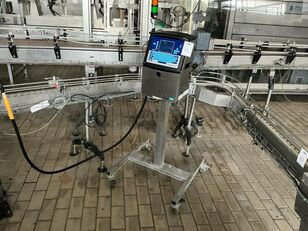
Small character inkjet printers have become an essential part of modern industrial and commercial operations. These compact devices are designed to print variable information, such as batch numbers, expiration dates, serial numbers, and barcodes, directly onto product surfaces. Their versatility, speed, and cost-effectiveness make them a popular choice across numerous industries.
How Small Character Inkjet Printers Work
These printers use a non-contact printing method, meaning they do not need to touch the product surface to print. This allows high-speed marking on a variety of materials, including glass, metal, plastic, and paper. They deliver high-resolution text and graphics, ensuring precise and permanent markings. Small character inkjet printers are particularly valued for their reliability in maintaining product traceability and compliance.
One of the key advantages of these devices is their adaptability. For instance, food and beverage manufacturers rely on them to print expiration dates, production codes, and batch numbers on packaging. This practice ensures regulatory compliance and makes recalls or tracking more efficient. Many companies choose high-quality models like the Small Character Inkjet Printer, which provide durability and accuracy even on high-speed production lines.
Applications in the Pharmaceutical Industry
The pharmaceutical sector depends heavily on accurate marking for safety and compliance. Small character inkjet printers are used to print lot numbers, manufacturing dates, and expiration dates on vials, blister packs, and boxes. Their ability to print on curved or irregular surfaces ensures that all types of packaging are properly coded without damaging the product. This is essential for both patient safety and regulatory adherence.
Use in Electronics Manufacturing
In electronics manufacturing, small character inkjet printers are crucial for labeling components, circuit boards, and assemblies. They provide clear printing of serial numbers, production dates, and identification codes. Since electronic components are delicate, the non-contact printing method prevents damage, while still enabling precise traceability for quality control and warranty purposes.
Automotive and Industrial Applications
The automotive and general manufacturing industries benefit from these printers for marking parts, tools, and packaging. Identification codes, batch numbers, and assembly dates help track components throughout production, reducing errors and improving workflow efficiency. Many manufacturers also use these printers for safety labels or operational instructions, ensuring products meet compliance standards.
Packaging and Retail Applications
Retail and packaging sectors use small character inkjet printers to print on cartons, bottles, cans, and other packaging materials. This allows for clear product identification, barcodes, and promotional codes. The printers can handle multiple surface types, including coated surfaces, cardboard, and plastics, making them versatile for businesses with diverse product lines. Efficient coding on packaging enhances supply chain operations and customer experience.
Branding and Marketing Uses
Beyond functional labeling, these printers are also used for branding purposes. Logos, slogans, and product designs can be printed directly on packaging, eliminating the need for separate labels. This not only reduces production costs but also improves brand visibility and consumer recognition. For companies producing high volumes, this capability streamlines operations while maintaining a polished and professional appearance.
Maintenance and Operational Efficiency
Modern small character inkjet printers are designed for minimal downtime and ease of use. Features such as easy ink replacement, automated adjustments, and remote monitoring ensure consistent print quality with minimal manual intervention. These factors allow companies to maintain high production speeds while reducing labor costs and operational errors.
Conclusion
Small character inkjet printers are indispensable tools across a wide range of industries due to their precision, versatility, and efficiency. From food and beverage to pharmaceuticals, electronics, automotive, and retail, these printers support compliance, traceability, and smooth production processes. Their non-contact printing method, adaptability to different surfaces, and capability to handle variable data make them a reliable choice for modern manufacturing. Investing in a high-quality printer enhances efficiency, product integrity, and brand reputation, making it a smart solution for businesses seeking operational excellence.
