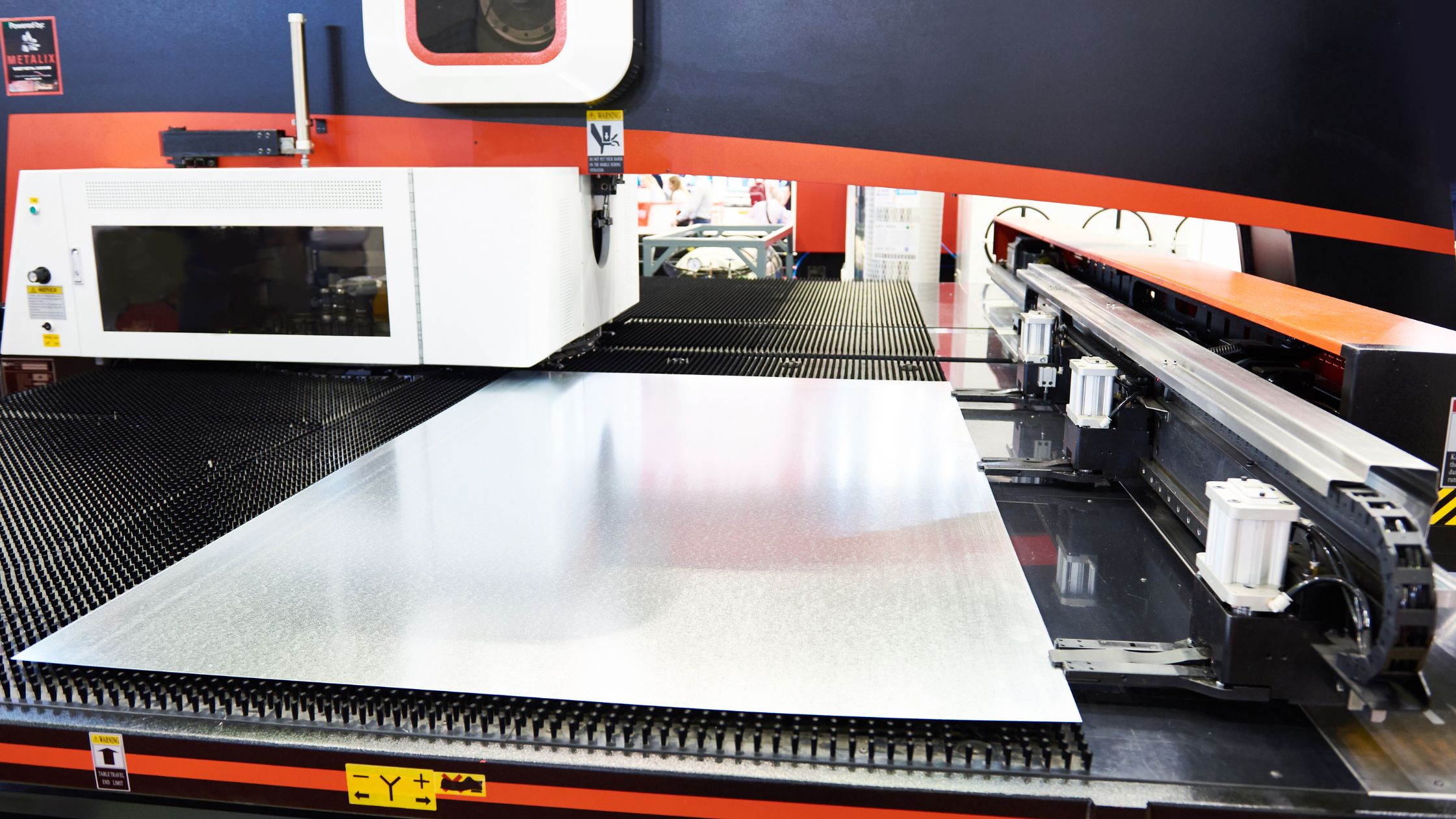
In metal fabrication, a power punch machine is a key asset that significantly influences production efficiency, precision, and overall output quality. Evaluating the performance and output of these machines is essential for manufacturers to ensure that operations remain productive, cost-effective, and safe. A thorough understanding of performance metrics, operational parameters, and maintenance requirements allows workshops to optimize the use of their equipment and achieve consistent results.
Key Factors Affecting Performance
Several factors influence the performance of a power punch machine. These include machine design, drive system, material handling capabilities, and operator proficiency. Mechanical and hydraulic drive systems each offer specific advantages; mechanical machines excel in high-speed operations, while hydraulic machines provide adjustable force and smoother operation for thicker materials. The quality of the machine’s frame, punch and die assembly, and ram system directly impacts precision and repeatability. Leading Power Punch Machine manufacturers often provide detailed specifications and testing protocols to help workshops assess machine performance under different operational conditions.
Assessing Output Quality
Output quality is a critical measure of a power punch machine’s effectiveness. Factors to consider include hole accuracy, shape consistency, edge quality, and material stress. CNC-controlled machines typically provide superior output consistency by maintaining precise positioning and stroke control. Regular inspection of punched components is essential to identify deviations, burrs, or misalignments. A machine producing consistent and defect-free parts reduces waste, minimizes rework, and improves overall production efficiency.
Production Speed and Throughput
Evaluating the production speed and throughput of a power punch machine is vital for meeting operational goals. Throughput depends on the machine’s punching cycle time, material handling efficiency, and the complexity of the punching tasks. Automated feeders, conveyors, and integrated material handling systems can significantly enhance throughput by reducing idle time between operations. High-volume workshops should consider machines capable of maintaining continuous operation without compromising accuracy. Monitoring cycle times and output rates helps manufacturers identify bottlenecks and optimize workflows for maximum productivity.
Accuracy and Repeatability
Accuracy and repeatability are fundamental indicators of a power punch machine’s performance. These factors determine whether parts meet specified dimensions and tolerances consistently. Precision is influenced by factors such as the rigidity of the frame, alignment of the punch and die, and the control system’s precision. CNC-enabled machines allow for repeatable sequences with minimal deviation, making them ideal for large-scale production where uniformity is essential. Measuring and recording dimensional accuracy over multiple cycles provides valuable data to evaluate machine reliability.
Energy Efficiency and Operational Costs
Evaluating a power punch machine’s performance also involves assessing its energy consumption and operational costs. Machines with energy-efficient motors, variable-speed drives, and optimized hydraulic systems consume less power while maintaining high performance. Tracking electricity usage and comparing it to output allows workshops to calculate cost per unit and identify opportunities for savings. Lower energy consumption not only reduces operational costs but also contributes to sustainable manufacturing practices.
Maintenance and Downtime
Machine maintenance directly affects performance and output. Regular preventive maintenance, including lubrication, inspection of wear parts, and alignment checks, ensures that the machine operates at peak efficiency. Unplanned downtime due to component failure can significantly reduce throughput and increase operational costs. Workshops should implement a structured maintenance schedule and keep detailed records of machine performance, maintenance activities, and downtime incidents to optimize reliability and extend the lifespan of the equipment.
Monitoring and Data Analysis
Modern power punch machines often include monitoring systems and sensors that track performance metrics in real time. These systems provide data on cycle times, force applied, component wear, and energy consumption. Analyzing this data helps operators identify trends, predict maintenance needs, and optimize machine settings for improved efficiency. Integrating performance monitoring with workshop management software allows for more accurate planning, resource allocation, and quality control.
Conclusion
Evaluating the performance and output of a power punch machine is essential for maintaining high standards in metal fabrication. Key considerations include output quality, production speed, accuracy, energy efficiency, and maintenance practices. By regularly monitoring these parameters, manufacturers can identify areas for improvement, reduce waste, optimize workflows, and enhance productivity. Investing in reliable, high-quality equipment and utilizing performance data ensures that workshops achieve consistent results and maintain a competitive edge. A dependable Power Punch Machine delivers not only precision and speed but also long-term operational efficiency, making it an invaluable asset in any manufacturing environment.
