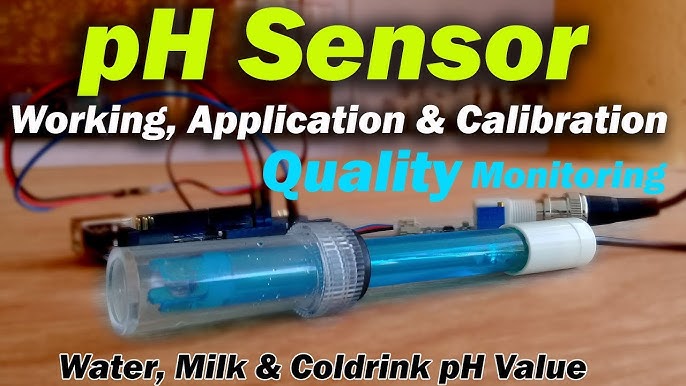
Accurate pH measurement is essential in a wide range of applications, including water treatment, laboratory research, environmental monitoring, and industrial processes. A water pH sensor is a sensitive instrument that provides precise readings of hydrogen ion concentration, but its accuracy depends on regular and proper calibration. Understanding calibration methods is crucial to ensure reliable performance and maintain the integrity of measurements.
The Importance of Calibrating a pH Sensor
A pH sensor measures the voltage difference generated between a measuring electrode and a reference electrode when immersed in a solution. Over time, factors such as electrode aging, contamination, and temperature fluctuations can cause deviations in readings. Calibration corrects these deviations by aligning the sensor’s response with standard reference solutions, ensuring that the data collected is accurate and consistent.
In practice, a water ph sensor is calibrated using one or more buffer solutions with known pH values. These standard solutions allow the sensor to adjust its output voltage to match the expected pH, providing a reliable baseline for measurements. Proper calibration improves accuracy across the sensor’s operational range and reduces the risk of measurement errors.
Single-Point vs. Multi-Point Calibration
There are two primary calibration approaches: single-point and multi-point calibration. Single-point calibration uses one buffer solution, typically at a neutral pH of 7.0. This method is suitable for applications where the sensor will primarily measure solutions near neutral pH. It is quick and convenient but may be less accurate when measuring highly acidic or alkaline solutions.
Multi-point calibration uses two or three buffer solutions covering a broader pH range, such as pH 4.0, 7.0, and 10.0. This method provides higher accuracy across a wide spectrum and is recommended for laboratory work, industrial processes, and environmental monitoring. Multi-point calibration corrects both slope and offset errors, ensuring precise measurements under varying conditions.
Steps for Proper Calibration
Calibration begins by thoroughly cleaning the sensor and rinsing it with distilled water to remove any residues that could affect the reading. The sensor is then immersed in the first buffer solution, and the pH meter is adjusted to match the known value of the solution. For multi-point calibration, the process is repeated with the additional buffer solutions in order of increasing or decreasing pH.
Temperature should be considered during calibration, as pH readings are temperature-dependent. Many modern pH sensors include automatic temperature compensation, but it is still important to calibrate the sensor under conditions similar to those in which it will be used.
Maintenance and Storage for Consistent Calibration
Maintaining the sensor between calibrations is essential for ensuring long-term accuracy. Proper storage in recommended solutions prevents drying out and preserves the sensitivity of the electrode. Cleaning the electrode periodically removes deposits, biofilm, or chemical residues that can interfere with measurements. Following manufacturer guidelines for maintenance extends the lifespan of the sensor and reduces the frequency of calibration required.
Common Calibration Challenges
Several factors can make calibration challenging. Using expired or contaminated buffer solutions can result in inaccurate adjustments. Extreme temperatures or sudden changes in solution composition may temporarily affect the sensor’s response. Additionally, improper handling, such as touching the glass electrode with fingers or exposing it to harsh chemicals, can degrade performance. Being aware of these challenges and adhering to best practices helps maintain reliable calibration.
Benefits of Accurate Calibration
Properly calibrated water pH sensors provide consistent and trustworthy readings, which are essential for decision-making in water treatment, laboratory analysis, environmental testing, and industrial operations. Accurate pH measurements prevent errors in chemical dosing, optimize biological processes, and ensure compliance with regulatory standards. They also help in reducing waste, preventing equipment damage, and maintaining safety in various applications.
Conclusion
Understanding calibration methods for a water pH sensor is fundamental for achieving precise and reliable measurements. By selecting appropriate calibration procedures, maintaining proper sensor care, and considering environmental factors, users can ensure their sensors deliver accurate pH readings. Effective calibration not only enhances measurement reliability but also supports efficient, safe, and sustainable operations across laboratories, industrial systems, and environmental monitoring programs.
