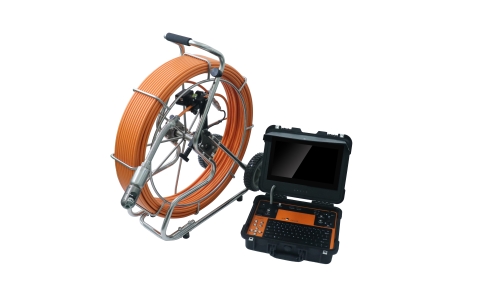
Sewer inspection is a critical component of urban infrastructure maintenance, ensuring pipelines operate safely and efficiently. However, conducting inspections in underground networks presents significant challenges, including confined spaces, hazardous gases, and exposure to wastewater. To address these challenges, sewer camera manufacturers must prioritize safety and regulatory compliance throughout the design, production, and operation of their equipment.
Designing for Safety and Reliability
Safety considerations begin with the design of the camera system itself. Modern sewer cameras must be robust, reliable, and capable of operating in harsh environments without putting operators at risk. Sewer Camera Manufacturers emphasize features such as waterproof housings, impact-resistant lenses, and corrosion-resistant materials. These design elements ensure that cameras can withstand chemical exposure, water immersion, and mechanical impacts while maintaining consistent functionality, reducing the likelihood of accidents during inspections.
Compliance with Industry Standards
Manufacturers are required to adhere to strict industry and safety standards, which govern both the equipment and its use. Compliance includes meeting electrical safety certifications, ensuring waterproof and pressure-resistant components, and following guidelines for hazardous environment operation. By aligning with international standards, sewer camera manufacturers provide equipment that municipalities and contractors can trust for routine and emergency inspections.
Operator Safety Considerations
While the camera system itself is critical, the safety of inspection personnel is equally important. Cameras allow operators to perform inspections remotely, reducing the need for entry into confined or hazardous spaces. Modern systems incorporate long, flexible push rods and cables, high-quality video transmission, and wireless monitoring, allowing operators to maintain a safe distance from potential hazards. This minimizes exposure to harmful gases, sewage, and structural risks within the pipelines.
Hazard Mitigation Features
Many sewer camera systems now include additional safety-oriented features. LED lighting not only improves visibility but is also designed to operate safely in wet environments without risk of short circuits. Waterproof connectors, insulated cables, and secure mounting systems prevent electrical hazards. Some systems also include fail-safes that automatically retract the camera or alert operators to malfunctions, further reducing risks during inspections.
Maintenance and Durability
Regular maintenance and durable design contribute directly to safe operations. Equipment that fails unexpectedly can create dangerous situations in confined environments. Sewer camera manufacturers focus on producing cameras with minimal maintenance requirements and high resistance to wear and corrosion. This ensures that systems remain reliable over time, supporting both operator safety and continuous compliance with operational standards.
Data Security and Regulatory Compliance
Beyond physical safety, modern sewer camera systems must also address compliance related to data collection and storage. Municipalities often require detailed inspection records for regulatory reporting and future planning. Cameras with integrated digital recording, secure data storage, and reporting software ensure that inspection data meets legal and operational requirements. Compliance with data security standards protects sensitive infrastructure information while maintaining transparency and accountability.
Training and Operational Guidelines
Even the most advanced equipment requires proper training for safe and effective use. Manufacturers often provide detailed operational manuals, safety guidelines, and training programs for inspectors. By following these protocols, municipal and industrial operators can maximize the efficiency of sewer cameras while minimizing the risk of accidents or equipment misuse.
Advancing Safety Through Innovation
Safety and compliance are ongoing priorities for sewer camera manufacturers. Innovations in rugged design, remote operation, adaptive lighting, and secure data management continue to enhance both operator protection and regulatory adherence. As urban infrastructure grows and pipeline systems age, prioritizing these considerations ensures that sewer inspections remain safe, efficient, and compliant with evolving industry standards.
