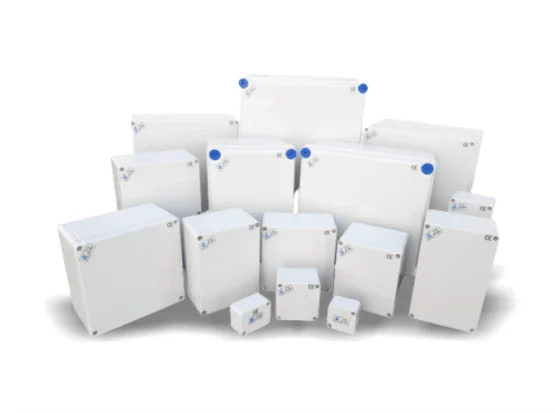
Choosing between plastic and metal enclosures is an important decision in electrical and electronic design. The enclosure material directly affects durability, cost, weight, thermal performance, and ease of manufacturing. Both options have distinct advantages, and the right choice depends on the specific application requirements.
In many modern applications, plastic enclosures are preferred due to their versatility, lightweight structure, and cost efficiency. However, metal enclosures still play an important role in environments where extreme strength or electromagnetic shielding is required.
Overview of Plastic Enclosures
Plastic enclosures are made from thermoplastics such as ABS and polycarbonate. They are widely used in consumer electronics, industrial systems, and outdoor applications.
Advantages of Plastic Enclosures
- Lightweight and easy to install
- Cost-effective for mass production
- Resistant to corrosion and rust
- Good electrical insulation properties
- Highly customizable in shape and design
These features make plastic enclosures suitable for a wide range of applications where flexibility and affordability are important.
Limitations of Plastic Enclosures
- Lower heat resistance compared to metal
- Reduced structural strength under heavy impact
- Limited electromagnetic shielding
- Can degrade under prolonged UV exposure if not treated
Despite these limitations, proper design and material selection can significantly improve performance.
Overview of Metal Enclosures
Metal enclosures are typically made from materials such as aluminum or steel. They are used in applications requiring high strength and shielding capabilities.
Advantages of Metal Enclosures
- High mechanical strength and durability
- Excellent electromagnetic interference (EMI) shielding
- Better heat dissipation
- Suitable for harsh industrial environments
These properties make metal enclosures ideal for heavy-duty and high-performance systems.
Limitations of Metal Enclosures
- Heavier and more difficult to install
- Higher manufacturing and material costs
- Susceptible to corrosion if not treated properly
- Less flexible in design customization
These factors can increase overall system cost and complexity.
Key Differences Between Plastic and Metal Enclosures
Understanding the differences helps in selecting the right enclosure for a specific application.
Weight and Installation
Plastic enclosures are significantly lighter, making them easier to handle and install. Metal enclosures, while stronger, add additional weight to the system.
Cost Efficiency
Plastic enclosures are generally more affordable, especially in large-scale production. Metal enclosures tend to be more expensive due to material and processing costs.
Durability and Strength
Metal enclosures offer superior strength, while plastic enclosures provide adequate protection for most standard applications.
Electrical Properties
Plastic provides natural insulation, whereas metal may require grounding to ensure electrical safety.
Environmental Resistance
Plastic resists corrosion better, while metal may require coatings or treatments to prevent rust.
Application Suitability
Each type of enclosure is better suited for specific environments and use cases.
Plastic Enclosure Applications
- Consumer electronics
- IoT and smart devices
- Indoor industrial control systems
- Lightweight portable equipment
Metal Enclosure Applications
- Industrial machinery and heavy equipment
- High-power electrical systems
- Environments requiring EMI shielding
- Outdoor systems with extreme mechanical stress
Choosing the Right Enclosure
The decision between plastic and metal should be based on performance needs rather than material preference alone.
Key factors to consider include:
- Environmental conditions
- Electrical safety requirements
- Budget constraints
- Mechanical stress levels
- Thermal management needs
Balancing these factors helps ensure optimal system performance and long-term reliability.
Conclusion
Both plastic and metal enclosures offer unique advantages depending on the application. Plastic enclosures provide lightweight, cost-effective, and corrosion-resistant solutions, while metal enclosures deliver superior strength and electromagnetic shielding. Understanding their differences allows engineers and designers to choose the most suitable option for their specific project requirements, ensuring safety, efficiency, and durability in the final product.
