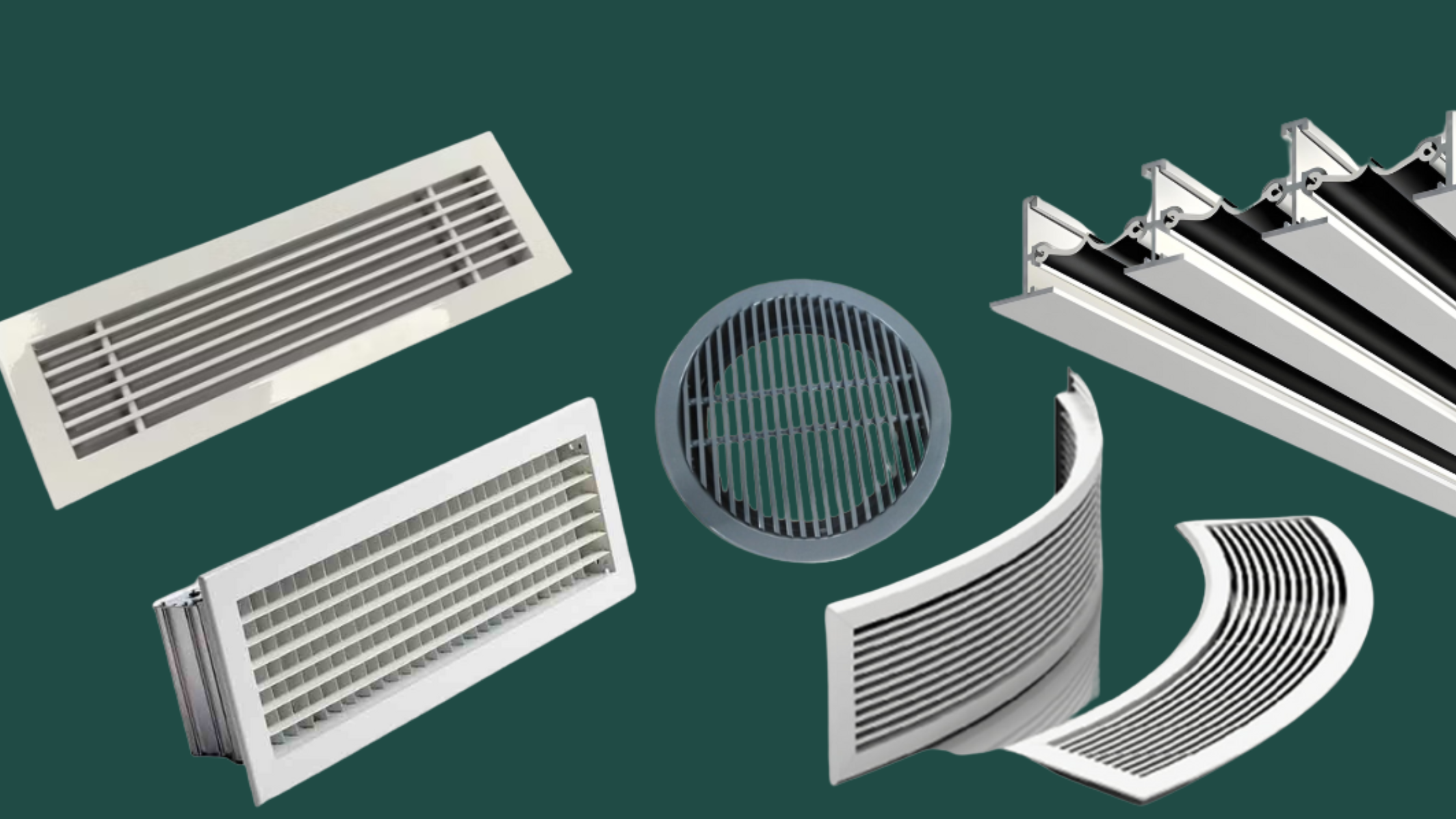
In modern HVAC systems, air distribution plays a crucial role in ensuring comfort, efficiency, and consistent indoor temperatures. One of the most widely used components for this purpose is the square ceiling diffuser, known for its balanced airflow design and compatibility with various architectural environments.
A square ceiling diffuser is designed to distribute conditioned air evenly across a room from ceiling-mounted HVAC outlets. Its structured shape and multi-directional airflow pattern make it suitable for residential, commercial, and institutional buildings where stable air distribution is required.
What Is a Square Ceiling Diffuser?
A square ceiling diffuser is an air outlet installed in ceiling systems to control the direction and spread of conditioned air. It works by breaking incoming air into multiple streams, allowing it to mix evenly with room air and maintain consistent temperature levels.
This design helps prevent air concentration in one area, reducing discomfort caused by uneven heating or cooling.
Types of Square Ceiling Diffusers
Different types of square ceiling diffusers are available depending on airflow needs and installation requirements. Each type is designed for specific performance conditions.
1. Fixed Blade Square Ceiling Diffusers
Fixed blade diffusers have non-adjustable fins that distribute air in a predetermined pattern. They are commonly used in standard HVAC applications where consistent airflow direction is sufficient.
2. Adjustable Blade Square Ceiling Diffusers
These diffusers allow users to adjust blade angles to control airflow direction and volume. They are ideal for spaces with changing occupancy or varying cooling needs.
3. Multi-Layer Square Diffusers
Multi-layer designs feature multiple rows of blades to enhance air mixing and improve distribution efficiency. They are often used in larger commercial spaces.
4. High-Induction Square Diffusers
These are designed to mix room air with supply air more effectively, ensuring rapid temperature equalization and improved comfort levels.
Materials Used in Square Ceiling Diffusers
The material of a diffuser significantly affects its durability, performance, and lifespan. Manufacturers typically use the following materials:
Aluminum
Aluminum is the most commonly used material due to its lightweight structure, corrosion resistance, and long-lasting durability. It is ideal for both residential and commercial applications.
Galvanized Steel
Galvanized steel offers high strength and durability, making it suitable for heavy-duty HVAC systems. It performs well in industrial environments where robustness is required.
Plastic (ABS or Polymer)
Plastic diffusers are lightweight and cost-effective. They are commonly used in residential spaces where airflow demands are moderate.
Powder-Coated Finishes
Many diffusers feature powder-coated surfaces to improve corrosion resistance and enhance aesthetic appearance, especially in visible ceiling installations.
Performance Factors of Square Ceiling Diffusers
The performance of a square ceiling diffuser depends on several engineering and design factors.
Airflow Distribution Efficiency
Efficient diffusers ensure that air is distributed evenly in all directions. This helps eliminate hot and cold spots within a room and improves overall comfort.
Pressure Drop Control
A well-designed diffuser minimizes pressure loss in the HVAC system. Lower pressure drop improves system efficiency and reduces energy consumption.
Noise Reduction
Airflow noise is minimized through aerodynamic blade design. This is especially important in environments such as offices, hospitals, and residential buildings.
Thermal Comfort Improvement
By ensuring even air mixing, square ceiling diffusers help maintain stable indoor temperatures and improve occupant comfort.
Applications of Square Ceiling Diffusers
Square ceiling diffusers are used in a wide range of environments due to their versatility and efficiency.
Residential Buildings
They provide quiet and balanced airflow, making them suitable for bedrooms, living rooms, and apartments.
Commercial Offices
In office environments, they help maintain consistent temperatures across workspaces, improving productivity and comfort.
Retail and Hospitality Spaces
Hotels, restaurants, and shopping centers use them to ensure comfortable indoor environments for customers and guests.
Institutional Buildings
Schools, hospitals, and public facilities rely on them for stable and efficient air distribution in large occupancy areas.
Conclusion
Square ceiling diffusers are essential components in modern HVAC systems, offering efficient air distribution, design flexibility, and improved indoor comfort. Their different types and material options allow them to be adapted to various building requirements, from residential spaces to large commercial facilities.
Understanding their design, materials, and performance characteristics helps in selecting the right solution for any HVAC application. A well-chosen diffuser ensures better airflow control, energy efficiency, and long-term system reliability.
