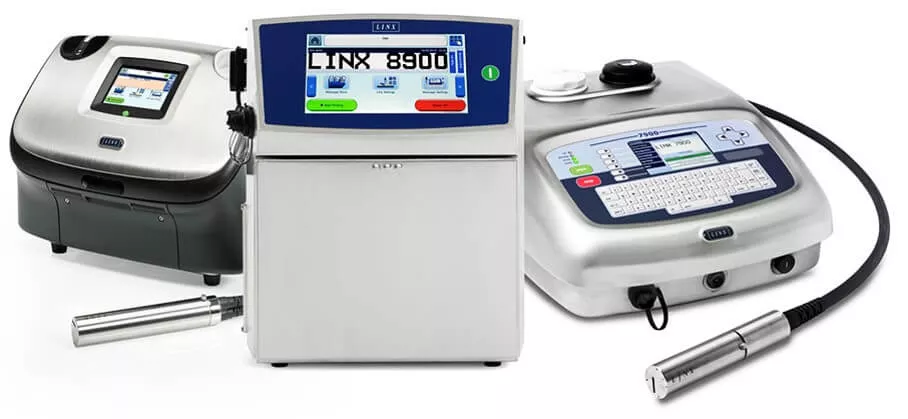
Continuous Inkjet Printers are essential tools for modern production lines, providing high-speed, reliable marking on a variety of materials. However, to maintain consistent performance, minimize downtime, and extend the life of the equipment, proper maintenance practices are critical. Implementing a structured maintenance program ensures optimal print quality and operational efficiency, which directly impacts productivity and cost-effectiveness.
Routine maintenance is not just about cleaning the printer; it involves monitoring system performance, inspecting consumables, and ensuring the environment supports long-term operation. Businesses that adopt best practices benefit from fewer interruptions and consistent, high-quality printing that meets industry standards. Choosing a reputable Continuous Inkjet Printer with reliable support and user-friendly features simplifies maintenance and allows teams to focus on production rather than troubleshooting.
Daily Maintenance Procedures
Daily care is the first line of defense against printer issues. Operators should perform basic checks before starting production:
- Inspect Printheads: Ensure there are no clogs or damage that could affect print quality.
- Check Ink Levels: Maintaining sufficient ink prevents interruptions and reduces the risk of air entering the system.
- Clean Exterior Surfaces: Dust and debris can interfere with printer sensors and moving components.
These daily checks help detect small problems before they become major issues, keeping the printer running smoothly and avoiding costly downtime.
Weekly and Monthly Maintenance
While daily tasks are critical, weekly and monthly inspections are equally important.
- Filter Replacement: Printers use filters to prevent contaminants from entering the ink system. Replacing these on schedule ensures consistent operation.
- Nozzle Cleaning: Even high-quality CIJ printers can accumulate residue, affecting print clarity. Scheduled cleaning prevents this.
- Software Updates: Firmware and software updates often include improvements in system performance and error detection. Applying updates keeps printers running efficiently.
A structured approach to weekly and monthly maintenance improves reliability and reduces the likelihood of unexpected failures.
Environmental Considerations
The environment where a Continuous Inkjet Printer operates significantly impacts maintenance needs. Dusty, humid, or temperature-fluctuating environments can accelerate wear and clogging. To minimize these effects:
- Maintain a clean production area.
- Use proper ventilation to reduce heat and humidity around the printer.
- Avoid exposure to corrosive chemicals near the printer.
Environmental management complements technical maintenance, extending the printer’s operational lifespan and maintaining high-quality output.
Operator Training and Documentation
A well-trained team is essential for effective maintenance. Operators should be familiar with both daily routines and troubleshooting procedures. Detailed manuals and maintenance logs help track activities and identify recurring issues.
- Training Programs: Provide hands-on experience with routine cleaning and part replacement.
- Maintenance Logs: Documenting tasks ensures that scheduled maintenance is performed consistently.
- Error Tracking: Recording errors and their resolutions helps identify patterns and prevent future issues.
By investing in operator knowledge, companies reduce the risk of mistakes that can damage the printer or compromise print quality.
Benefits of Proactive Maintenance
Adhering to maintenance best practices provides measurable benefits:
- Consistent Print Quality: Proper care ensures legible and reliable markings on all products.
- Reduced Downtime: Early detection of issues prevents production stoppages.
- Extended Equipment Life: Regular maintenance reduces wear and tear, delaying costly replacements.
- Cost Savings: Minimizing ink waste, part replacement, and emergency repairs improves the bottom line.
Conclusion
Maintenance is a vital aspect of operating a Continuous Inkjet Printer efficiently. By combining daily checks, scheduled inspections, environmental management, and operator training, businesses can ensure reliable performance and superior print quality. A proactive approach to maintenance not only protects the investment in printing technology but also supports uninterrupted production and regulatory compliance.
