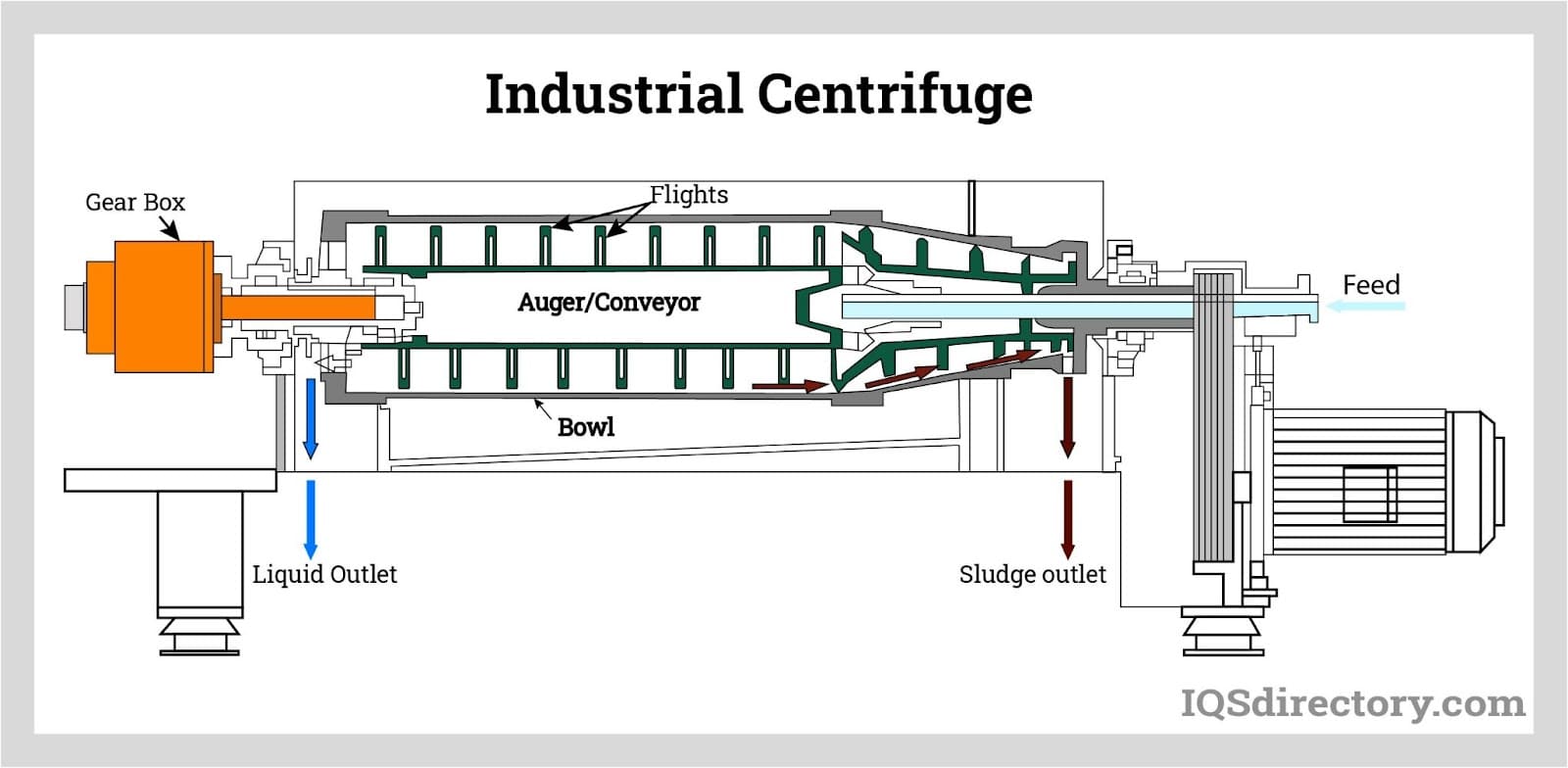
Industrial processes across food and beverage, pharmaceuticals, chemicals, and wastewater treatment rely heavily on efficient separation and clarification systems. The industrial centrifuge has long been a cornerstone of these operations, but ongoing technological advancements are transforming its capabilities, making it more efficient, versatile, and user-friendly than ever. These innovations not only improve product quality but also optimize operational efficiency, reduce energy consumption, and support sustainable industrial practices.
Advanced Design and Enhanced Separation Efficiency
One of the most significant areas of innovation in industrial centrifuge technology is design optimization. Modern industrial centrifuges feature advanced bowl geometries, disc stack configurations, and precision-engineered rotors that maximize the settling area and improve separation efficiency. These improvements allow the removal of fine particles, micro-sediments, and emulsions with greater accuracy.
A Industrial Centrifuge may also incorporate variable-speed drives, enabling operators to adjust rotational speeds according to feed material characteristics. This flexibility ensures that both high-solid-content suspensions and low-viscosity liquids can be processed effectively, resulting in clearer liquids, higher-quality products, and minimized material loss. These design innovations enhance efficiency across multiple industrial applications, from juice clarification to pharmaceutical purification.
Automation and Smart Control Systems
Automation is revolutionizing the operation of industrial centrifuges. Modern machines come equipped with programmable logic controllers (PLCs), real-time sensors, and automated monitoring systems. These systems track key parameters such as rotational speed, feed rate, torque, vibration, and temperature, allowing operators to maintain optimal separation conditions at all times.
Smart control systems can also provide predictive maintenance alerts, notifying operators when parts require servicing before a failure occurs. This reduces unplanned downtime and prolongs the lifespan of critical components. Automation ensures consistent performance, minimizes human error, and allows multiple units to be controlled remotely, which is particularly beneficial for large-scale production facilities.
Energy Efficiency and Sustainable Operation
Energy efficiency is a critical concern in modern industries, and recent innovations in centrifuge technology have significantly reduced power consumption. Variable frequency drives (VFDs) and optimized rotor designs minimize energy usage while maintaining high centrifugal forces, allowing industrial centrifuges to operate efficiently without compromising performance.
Sustainable operation is further enhanced through heat reduction, lightweight materials, and minimized friction in mechanical components. By lowering energy consumption, industries not only reduce operational costs but also decrease their carbon footprint, aligning with environmental regulations and sustainability goals.
Enhanced Solids Handling and Recovery
Another area of innovation in industrial centrifuge technology is the improved handling of solids. Advanced decanter and disc stack centrifuges are designed for continuous solids discharge, which allows high-volume processing without interruption. Automated discharge systems also reduce manual handling, improving safety and maintaining consistent separation quality.
These innovations are particularly valuable in food processing, chemical production, and wastewater treatment, where efficient recovery of valuable solids or liquids can significantly reduce waste and increase profitability. The ability to process abrasive or high-density solids without causing equipment wear further enhances operational efficiency and reliability.
Sanitation and Compliance Features
Sanitation and regulatory compliance are critical in industries such as food, beverage, and pharmaceuticals. Modern industrial centrifuges incorporate hygienic design features, such as fully enclosed systems, stainless steel components, and automated cleaning-in-place (CIP) mechanisms.
These advancements minimize contamination risks, ensure adherence to stringent health and safety standards, and simplify cleaning and maintenance processes. Automated cleaning systems reduce downtime and improve productivity while maintaining consistent operational standards.
Integration with Industry 4.0 and Digital Monitoring
The integration of industrial centrifuges with Industry 4.0 technologies is another key innovation. Machines can now be connected to centralized monitoring systems, providing real-time data on operational parameters, performance trends, and maintenance needs.
Digital monitoring allows operators to analyze production efficiency, identify potential bottlenecks, and make data-driven adjustments to optimize performance. This connectivity enables predictive maintenance, reduces unexpected downtime, and supports process optimization, making centrifuge operations smarter, more reliable, and more cost-effective.
Versatility Across Industrial Applications
The combination of these innovations has expanded the versatility of industrial centrifuges. Modern designs can handle a wide range of materials, from low-viscosity liquids to high-solid-content slurries. Industries can use the same centrifuge model for multiple processes, reducing the need for specialized machines and increasing operational flexibility.
Applications range from clarifying fruit juices and separating cream from milk to purifying chemical solutions and dewatering sludge in wastewater treatment. These machines support high-throughput, continuous operation while ensuring product quality and reducing operational costs.
Conclusion
Innovations in industrial centrifuge technology have transformed these machines into highly efficient, versatile, and intelligent tools for modern industries. Advances in design, automation, energy efficiency, solids handling, sanitation, and digital integration enhance separation performance, improve product quality, and optimize operational efficiency.
By adopting modern industrial centrifuges, manufacturers can achieve consistent, high-quality outputs while minimizing downtime, reducing energy consumption, and supporting sustainable practices. These technological advancements ensure that industrial centrifuges remain indispensable in today’s competitive industrial landscape, providing both economic and operational benefits across a wide range of applications.
