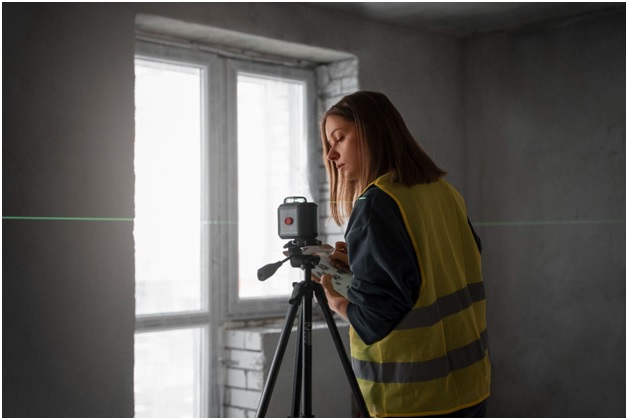
Engineering projects demand clarity, coordination, and reliable information at every stage of development. The evolution of 3D scanning has significantly improved how physical environments are documented and transformed into intelligent digital models. By converting real-world structures into dynamic virtual replicas, digital twin creation strengthens engineering workflows, enhances collaboration, and reduces project uncertainties from planning through execution.
The Foundation of Accurate Digital Replication
Rather than relying solely on drawings or legacy documentation, engineers can build models based on verified spatial data that reflects true dimensions and alignments.
- Comprehensive Site Capture
Advanced laser scanning systems collect millions of data points across surfaces, elevations, and structural elements within a short timeframe. This dense point cloud data ensures that even irregular geometries, hidden corners, and complex assemblies are accurately recorded. As a result, engineering teams gain a dependable visual and measurable foundation for design development and project planning without relying on approximations. - Reduced Manual Measurement Errors
Conventional measurement techniques often involve repeated site visits and manual data recording, which can introduce inconsistencies or overlooked details. Digital capture methods minimize such risks by automating the measurement process and preserving every captured detail in a digital format. This level of precision supports better technical analysis and reduces the likelihood of design adjustments during later stages. - Centralized Data Environment
Once captured, survey data is processed into structured digital models that can be shared across teams. Architects, structural engineers, and MEP consultants can access a unified dataset, ensuring consistency throughout the project lifecycle. A centralized digital environment improves communication, eliminates version conflicts, and allows teams to coordinate efficiently using accurate, synchronized information.
Enhancing Design Coordination and Clash Detection
Digital twins provide a collaborative platform where multiple engineering disciplines intersect. Instead of identifying issues during construction, teams can detect and resolve them within the virtual model before physical work begins.
- Integrated Multidisciplinary Modeling
Digital twins combine structural frameworks, architectural layouts, and service systems into a single coordinated environment. This integration allows teams to evaluate how different systems interact spatially and technically. When every component is visualized together, engineers can optimize layouts and ensure that installations align seamlessly with design intent. - Early Clash Identification
With detailed digital overlays generated through 3D scanning, potential conflicts between structural members, ducts, pipes, and electrical conduits can be identified at an early stage. Detecting clashes during pre-construction analysis prevents costly rework, delays, and material wastage. - Improved Retrofit Planning
Renovation and expansion projects require a deep understanding of existing structural conditions. Digital twins offer a precise representation of current layouts, enabling engineers to plan modifications without compromising structural stability. This clarity is particularly valuable when integrating new systems into aging infrastructure or adapting facilities for upgraded operational needs.
Workflow Optimization Across Project Phases
Digital twin technology supports projects far beyond initial modeling. It acts as a continuous reference point that enhances coordination from concept to long-term asset management.
- Streamlined Project Scheduling
Detailed digital models allow planners to visualize construction sequences with accuracy. Project managers can assess spatial constraints, equipment access, and logistical considerations before mobilization. This foresight supports realistic scheduling and reduces interruptions caused by unforeseen site challenges. - Data-Driven Decision Making
Engineering decisions grounded in measurable digital data carry greater reliability than assumptions based on partial information. Digital twins provide precise dimensions, elevations, and alignment references, enabling informed evaluations related to structural performance and cost estimation. This analytical clarity strengthens financial planning and risk management strategies. - Enhanced Documentation and Compliance
Digital twins serve as comprehensive records of existing and completed works. They provide detailed documentation that supports regulatory submissions, inspections, and maintenance planning. Companies offering 3D scanning services in Dubai often assist projects requiring accurate as-built documentation that aligns with authority guidelines and engineering standards.
Supporting Infrastructure and Industrial Projects
Large-scale infrastructure developments and industrial facilities require precise spatial documentation to maintain safety and operational efficiency. Digital twin creation plays a critical role in supporting these technically demanding environments.
- Operational Risk Reduction
Accurate digital models help engineers identify structural vulnerabilities, clearance issues, and potential safety hazards before physical interventions take place. By analyzing the digital twin, teams can plan maintenance activities and upgrades with minimal disruption to operations. This proactive approach reduces downtime and enhances workplace safety. - Lifecycle Asset Management
A digital twin remains valuable long after construction is complete. As facilities undergo modifications, expansions, or repairs, updates can be incorporated into the digital model. This continuous evolution ensures that facility managers always work with current and accurate information, improving long-term asset performance and maintenance efficiency. - Efficient Resource Allocation
Clear visualization of site conditions enables more precise estimation of materials, labor, and equipment requirements. By understanding exact spatial dimensions and structural layouts, project teams can allocate resources strategically. This efficiency supports budget control and minimizes unnecessary expenditure during construction and operational phases.
Technological Advancements Driving Digital Twins
Continuous advancements in scanning equipment and data processing software are expanding the potential of digital twin applications in engineering workflows.
- High-Resolution Laser Systems
Modern scanning devices capture intricate details with remarkable speed and accuracy. These systems record complex architectural features, structural alignments, and surface variations that traditional surveys might overlook. The resulting datasets form a strong foundation for building highly accurate and reliable digital twins. - Advanced Data Processing Software
Specialized software transforms raw point cloud data into structured, intelligent 3D models compatible with BIM and CAD platforms. This interoperability ensures that digital twins can be integrated seamlessly into established engineering workflows. Teams can analyze, modify, and coordinate models efficiently without disrupting existing design processes. - Cloud-Based Collaboration Platforms
Hosting digital twins in secure cloud environments allows stakeholders to access and review models remotely. Engineers, consultants, and decision-makers can annotate, measure, and evaluate project details without being physically present on site. This collaborative accessibility enhances productivity and supports geographically dispersed teams.
Conclusion
Digital twin creation is reshaping engineering workflows by combining precision, collaboration, and long-term asset intelligence within a single digital framework. Through accurate data capture and integrated modeling, projects benefit from reduced risk, improved coordination, and stronger operational control. In this evolving technical landscape, experienced firms such as Lyca Survey contribute meaningfully by delivering advanced solutions aligned with industry standards. Their expertise reflects the growing importance of dependable 3D scanning services in Dubai, ensuring that engineering projects move forward with clarity, efficiency, and confidence.
