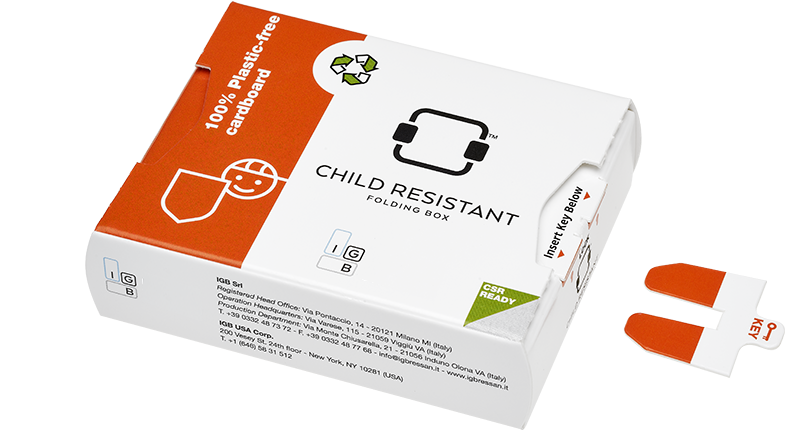
Packaging plays a crucial role in product safety, consumer convenience, and brand perception. While standard packaging primarily focuses on product containment and marketing, child resistant packaging adds an extra layer of safety, preventing children from accessing hazardous substances. Industries such as pharmaceuticals, cannabis, and household chemicals increasingly rely on child resistant solutions to meet regulatory requirements and protect consumers.
Although child resistant packaging offers significant safety benefits, it often comes at a higher cost compared to standard packaging. Companies seeking bulk safety solutions frequently evaluate suppliers offering Child Resistant Boxes to ensure regulatory compliance without compromising operational efficiency. Understanding the cost differences and value propositions between standard and child resistant packaging is essential for manufacturers, distributors, and retailers in strategic decision-making.
Material and Manufacturing Costs
One of the primary factors contributing to the higher cost of child resistant boxes is the selection of specialized materials. Unlike standard packaging, which may use basic plastics or paperboard, child resistant packaging requires reinforced materials that can withstand repeated use and resist tampering. High-density plastics, composite polymers, and reinforced fiberboard are common materials used in child resistant box construction.
Manufacturing processes for child resistant packaging are also more complex. These packages often incorporate dual-action opening mechanisms, pressure-activated locks, or multi-layer closures. Advanced molding, assembly, and quality control procedures are required to ensure each unit meets stringent safety standards. In contrast, standard packaging typically involves simpler production processes, such as single-step folding, sealing, or molding, which lowers manufacturing costs.
Regulatory Compliance Costs
Child resistant packaging must comply with rigorous safety standards set by regulatory bodies. For instance, the Consumer Product Safety Commission mandates testing procedures that evaluate the packaging’s resistance to child opening attempts. Pharmaceutical and medical product packaging is also influenced by the Food and Drug Administration, which requires validated usability and labeling compliance.
Meeting these regulatory requirements adds additional costs. Manufacturers need to conduct child panel testing, adult usability testing, and material performance assessments. Standard packaging, on the other hand, often faces fewer regulatory hurdles, reducing both testing and certification expenses.
Design and Customization Costs
Child resistant boxes frequently involve more sophisticated design features than standard packaging. Engineering secure closure mechanisms and ensuring usability for adults require specialized expertise. Manufacturers invest in research and development to create effective and compliant packaging solutions.
Customization also plays a role in cost differences. Child resistant packaging may include branded designs, printed safety warnings, or tamper-evident features. These enhancements not only improve functionality but also contribute to overall cost. Standard packaging often relies on simpler print methods and minimal structural features, which reduces design expenses.
Supply Chain and Distribution Costs
The weight and durability of child resistant packaging can impact transportation and storage costs. Reinforced materials and multi-layer designs are typically heavier and bulkier than standard packaging, potentially increasing shipping expenses. In addition, careful handling may be necessary to maintain structural integrity during distribution.
Standard packaging usually offers lighter, more compact options that are easier and cheaper to transport in bulk. Warehouse storage for standard packaging often requires less space and involves fewer precautions, further reducing overall costs.
Long-Term Value and Risk Mitigation
Despite higher upfront costs, child resistant packaging provides long-term financial benefits. By preventing accidental ingestion or exposure, these packages help reduce liability risks for manufacturers and distributors. In some industries, failure to comply with safety regulations can result in product recalls, legal penalties, and reputational damage.
The cost of implementing child resistant packaging can often be offset by the avoidance of such risks. Standard packaging may save money initially, but it does not provide the same level of protection against accidents or regulatory non-compliance.
Market Perception and Consumer Trust
Investing in child resistant packaging can enhance brand reputation and customer trust. Consumers are increasingly aware of product safety, and packaging that demonstrates a commitment to safety can improve loyalty and sales. Standard packaging may be cost-effective but does not offer the same reassurance to safety-conscious consumers.
Enhanced consumer perception can also justify premium pricing for products packaged in child resistant boxes, helping companies offset higher production costs while improving market competitiveness.
Conclusion
Child resistant boxes are more expensive than standard packaging due to the use of reinforced materials, advanced manufacturing processes, regulatory compliance requirements, and design complexities. However, these additional costs are balanced by improved safety, reduced liability risk, and enhanced consumer trust. Industries such as pharmaceuticals and cannabis increasingly recognize the value of investing in child resistant packaging to protect both consumers and their brand reputation.
Understanding the cost differences and long-term benefits enables businesses to make informed decisions about packaging strategies. While standard packaging may offer lower upfront expenses, child resistant solutions provide critical safety, compliance, and brand advantages that make them a worthwhile investment in the modern market.
