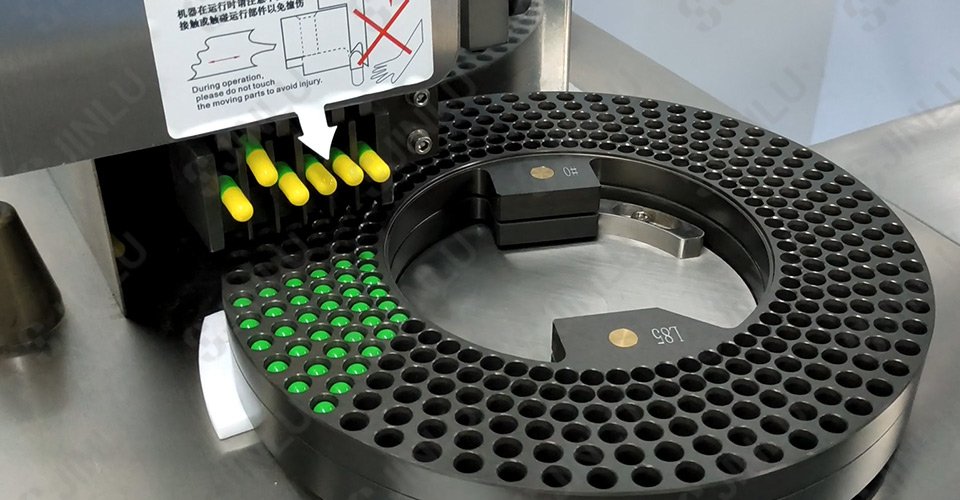
In pharmaceutical and nutraceutical manufacturing, capsule production requires a controlled and systematic approach to ensure accuracy, hygiene, and efficiency. Whether used in small facilities or large industrial plants, proper operation of equipment is essential for maintaining product quality and compliance with industry standards.
A capsule filler machine is designed to streamline the capsule manufacturing process, but its performance depends heavily on correct usage and operator knowledge. Understanding proper operating procedures and guidelines helps ensure safe, efficient, and consistent production.
Understanding the Basic Operation Process
The operation of a capsule filler machine follows a structured sequence of steps that must be carried out correctly for optimal results. While the exact process may vary depending on machine type, the general workflow remains similar.
Basic operational stages include:
- Loading empty capsules into the machine
- Aligning and separating capsule shells
- Filling capsule bodies with measured material
- Closing and locking capsules
- Collecting finished capsules for further processing
Each stage must be carefully monitored to ensure consistency and accuracy.
Pre-Operation Preparation Guidelines
Before starting the machine, proper preparation is essential to avoid operational issues and ensure smooth production.
Key preparation steps include:
- Cleaning all machine components thoroughly
- Checking for mechanical wear or damage
- Ensuring correct capsule size and formulation setup
- Calibrating dosing systems for accuracy
- Verifying electrical and safety systems
Proper preparation reduces the risk of production errors and contamination.
Machine Start-Up Procedure
Starting the capsule filler machine requires careful attention to ensure all systems are functioning correctly.
Typical start-up steps:
- Switching on the main power supply
- Running a short idle cycle for system check
- Adjusting speed and dosing parameters
- Testing capsule alignment and separation
- Beginning small trial batches before full production
This ensures the machine is ready for continuous operation.
Capsule Filling Operation Guidelines
During production, operators must monitor the filling process to maintain quality and efficiency.
Important guidelines include:
- Ensuring consistent powder flow in the hopper
- Monitoring capsule weight regularly
- Avoiding overfilling or underfilling issues
- Checking for capsule damage during operation
- Maintaining stable machine speed settings
Proper monitoring helps maintain uniform product quality.
Shutdown and Cleaning Procedures
After completing production, proper shutdown and cleaning are necessary to maintain machine condition and hygiene standards.
Shutdown process includes:
- Stopping material feed into the machine
- Allowing the system to complete remaining cycles
- Switching off machine power safely
- Removing leftover materials from the hopper
Cleaning procedures include:
- Disassembling contact parts
- Removing powder residues
- Cleaning components with approved solutions
- Drying all parts before reassembly
Regular cleaning ensures long-term machine performance and hygiene compliance.
Operator Safety Guidelines
Safety is a critical aspect of capsule machine operation. Operators must follow strict safety protocols to prevent accidents and ensure smooth workflow.
Key safety practices:
- Wearing appropriate protective equipment
- Avoiding direct contact with moving parts
- Following standard operating procedures (SOPs)
- Using emergency stop functions when needed
- Ensuring proper machine grounding and electrical safety
Proper training reduces operational risks significantly.
Maintenance and Routine Checks
Regular maintenance is essential for keeping the machine in optimal working condition.
Routine maintenance tasks include:
- Lubrication of moving parts
- Inspection of dosing and filling systems
- Checking alignment and mechanical components
- Replacing worn-out parts when necessary
Preventive maintenance helps avoid unexpected breakdowns.
Common Operational Mistakes to Avoid
Improper handling can affect machine performance and product quality. Operators should be aware of common mistakes.
These include:
- Incorrect dosing calibration
- Ignoring cleaning procedures
- Overloading the machine
- Skipping trial runs before production
- Poor monitoring during operation
Avoiding these errors ensures consistent output quality.
Conclusion
Proper operation of a capsule filler machine is essential for achieving accurate, efficient, and safe capsule production. From preparation and start-up to filling, shutdown, and maintenance, every step plays a crucial role in ensuring smooth manufacturing processes.
By following proper user guidelines, manufacturers can maximize machine performance, reduce operational risks, and maintain high-quality standards in pharmaceutical and nutraceutical production environments.
