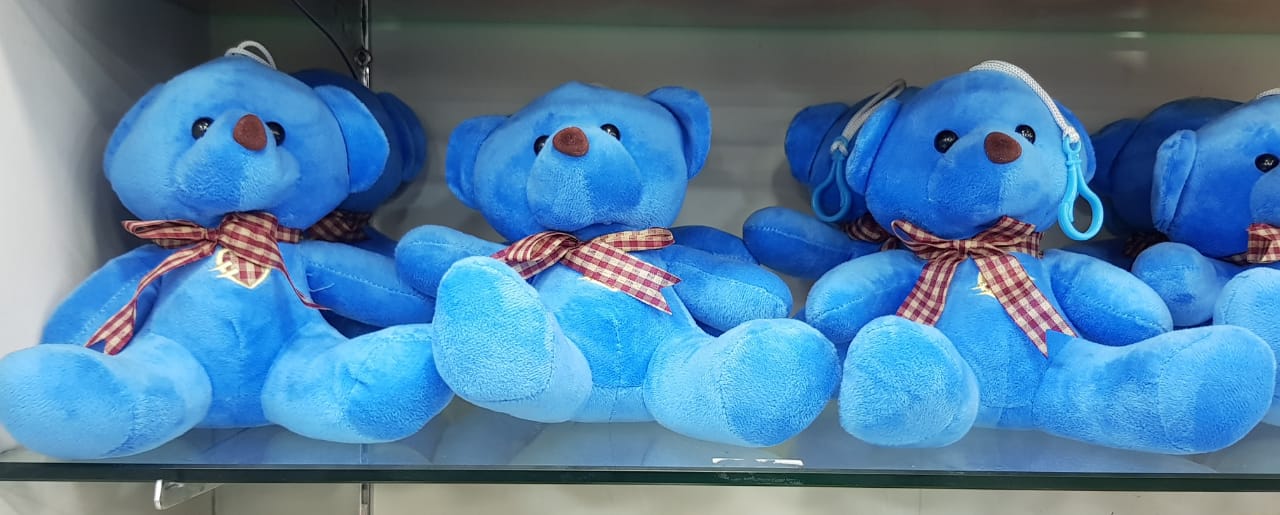
Designing a custom made plush toy from scratch can be an exciting and rewarding process for brands, businesses, or individuals. A well-designed plush toy not only represents a brand or character but also creates a lasting impression on its audience. However, turning an idea into a tangible, high-quality toy requires careful planning, creative thinking, and collaboration with experienced manufacturers.
Start With a Clear Concept
Every successful custom made plush toy begins with a clear concept. Begin by defining the purpose of the toy. Is it intended as a promotional item, a gift, a collector’s piece, or a retail product? Understanding its purpose will help guide design decisions, material selection, and production requirements.
Working with a professional custom made plush toy manufacturer early in the process ensures that your concept is feasible and aligns with production capabilities. Experienced manufacturers provide valuable insights on size, shape, materials, and features, helping you translate your ideas into a practical, manufacturable design.
Sketch and Visualize Your Idea
Once the concept is defined, the next step is to create detailed sketches or digital artwork of the plush toy. Include multiple angles, close-ups of features, and any unique characteristics, such as facial expressions, clothing, or accessories. Detailed visuals help the manufacturer understand the intended design and reduce the risk of miscommunication.
Sketching also allows you to experiment with proportions, textures, and features before finalizing the design. At this stage, consider how different elements like embroidered logos, buttons, or detachable accessories will integrate into the overall toy.
Select Materials Carefully
Material selection is crucial in custom plush toy design. The fabric and filling determine not only the look and feel of the toy but also its durability and safety. Common materials include polyester, cotton blends, and hypoallergenic fillings. Brands seeking eco-friendly options can opt for organic fabrics, recycled polyester, or biodegradable stuffing.
Discussing material options with your manufacturer ensures that the selected materials are safe, durable, and suitable for the intended age group. High-quality materials enhance the toy’s appeal and longevity, providing better value for both businesses and consumers.
Define Size and Functionality
Size and functionality are important considerations when designing a plush toy. Larger toys allow for more intricate details and design features, while smaller toys are easier to produce and distribute. Functional elements, such as sound modules, weighted stuffing, or movable parts, should be incorporated thoughtfully to maintain safety and durability.
Your manufacturer can advise on optimal sizes and functionality, ensuring that the toy meets both aesthetic and practical requirements. Balance is key: the toy should be visually appealing, safe, and suitable for the intended purpose.
Prototype and Review
Creating a prototype is an essential step in bringing your custom plush toy to life. The prototype provides a physical version of your design, allowing you to evaluate proportions, materials, stitching, and overall construction. This stage is critical for identifying any adjustments needed before full-scale production.
During prototyping, provide feedback to the manufacturer and request revisions if necessary. A well-reviewed prototype minimizes errors, reduces waste, and ensures that the final product matches your vision.
Focus on Safety and Compliance
Safety is a priority when designing plush toys, particularly for products intended for children. Ensure that all materials, stitching, and accessories comply with international safety standards, such as ASTM, EN71, and CPSIA. Use non-toxic dyes, secure attachments, and flame-resistant materials where appropriate.
A reputable manufacturer will conduct quality control checks and provide documentation to verify compliance, giving you peace of mind that the product is both safe and durable.
Plan Packaging and Distribution
Packaging is an important consideration for any custom plush toy. Proper packaging protects the toy during shipping and can enhance its presentation, especially for promotional or retail purposes. Consider using branded boxes, eco-friendly wrapping, or reusable packaging to elevate the product experience.
Coordinate with your manufacturer regarding packaging and logistics to ensure timely delivery. Planning ahead reduces the risk of delays and ensures that the toys arrive in excellent condition for marketing campaigns, events, or retail sales.
Conclusion
Designing a custom made plush toy from scratch involves a combination of creativity, strategic planning, and collaboration with experienced manufacturers. From initial concept development and sketching to material selection, prototyping, and quality control, every step contributes to a final product that is visually appealing, safe, and durable.
Partnering with a skilled custom made plush toy manufacturer ensures that your vision is executed accurately and efficiently. By carefully planning each stage of the design process, you can create a unique plush toy that resonates with your audience, enhances your brand, and delivers a memorable experience.
