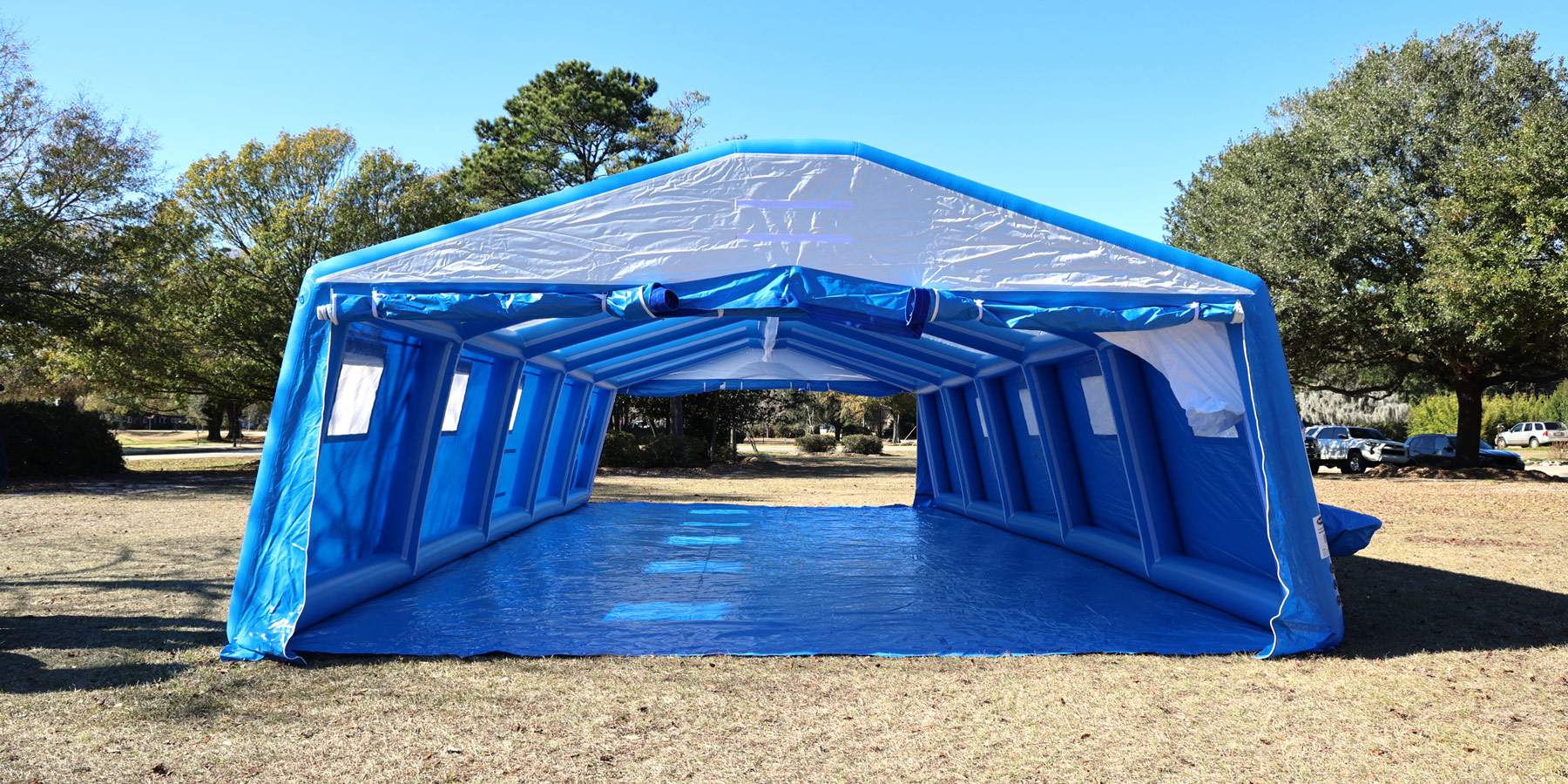
Inflatable tents have become essential solutions for a wide range of applications, including outdoor events, emergency response, military operations, and recreational activities. Their ease of setup, portability, and versatile design make them a preferred choice over traditional framed tents. However, the unique structure of inflatable tents requires careful attention to safety and stability during the manufacturing process. Ensuring these factors is critical not only for user safety but also for the tent’s durability, functionality, and overall performance in real-world conditions.
Given the growing demand for reliable and high-performance inflatable tents, many organizations carefully evaluate Inflatable Tent Manufacturers to ensure that safety and stability standards are met. Resources such as Inflatable Tent Manufacturers provide valuable insights into industry leaders, production methods, and quality assurance practices. Manufacturers integrate safety considerations at every stage—from design and material selection to assembly, testing, and final deployment—ensuring that the finished product performs safely under a variety of conditions.
Structural Design and Engineering Safety
The first step in maintaining safety and stability is in the tent’s structural design. Engineers use computer-aided design (CAD) software to simulate stress points, load distribution, and airflow dynamics. The shape of air beams, wall supports, and anchoring systems are carefully calculated to withstand wind, rain, and other environmental forces. Dome-shaped or arched structures often offer better load distribution, while multi-chamber air beams provide redundancy in case one section loses pressure. Proper design reduces the risk of collapse, ensuring stability even in adverse conditions.
Material Selection and Durability
Materials play a critical role in safety and stability. High-quality PVC-coated polyester or thermoplastic polyurethane (TPU) fabrics are commonly used due to their combination of flexibility, tensile strength, and resistance to punctures. Manufacturers must also consider fire-retardant properties, UV resistance, and temperature tolerance. Reinforcements at high-stress areas, such as corners, seams, and anchor points, further enhance the tent’s ability to withstand external pressures. Careful material selection ensures that the tent remains durable and safe throughout its lifespan.
Seam Construction and Welding Techniques
Seams are often the weakest points in inflatable structures, so manufacturing techniques focus heavily on welding and sealing. High-frequency welding or hot-air welding is preferred over stitching, creating airtight and robust seams capable of handling internal pressure without leaks. Reinforced seam sections at stress points enhance structural integrity. Any compromise in seam quality can result in sudden deflation or instability, making precise welding and rigorous inspection essential for user safety.
Inflation Systems and Pressure Management
A well-designed inflation system is crucial for stability. Tents require air beams that maintain consistent internal pressure while allowing flexibility for environmental changes. Over- or under-inflation can compromise structural integrity. To mitigate risks, manufacturers integrate pressure relief valves, multiple inflation chambers, and clear guidance for setup and maintenance. Some tents include monitoring systems or visual indicators to ensure safe inflation levels, reducing the likelihood of accidental collapse during use.
Anchoring and Ground Stability
Anchoring systems are another key factor in maintaining safety. Inflatable tents rely on a combination of stakes, ropes, sandbags, or water ballast to secure them to the ground. The choice of anchoring method depends on the terrain, wind conditions, and intended use. Manufacturers provide reinforced loops and attachment points designed to distribute stress evenly and prevent tipping. Proper anchoring ensures that tents remain stable even in challenging environments.
Quality Control and Testing Protocols
Rigorous quality control measures are fundamental for safety assurance. Inflatable tents undergo multiple testing procedures, including air retention tests, pressure stability assessments, seam inspections, and environmental simulations. Some manufacturers expose tents to simulated wind or rainfall to verify performance under extreme conditions. These tests identify potential weaknesses and ensure that only safe, high-quality products reach the market.
Compliance with Safety Standards
Compliance with international safety standards is a critical aspect of manufacturing. Tents may be certified for fire safety, material toxicity, structural performance, and environmental durability. Manufacturers incorporate these certifications into their production process, providing users with verified assurances of safety and stability. This is especially important for public events, emergency shelters, and military deployments where safety regulations are mandatory.
Conclusion
Safety and stability are central considerations in inflatable tent manufacturing. From structural design and material selection to welding, inflation, anchoring, and quality control, every stage is designed to ensure reliable performance and user protection. By understanding these processes, buyers can make informed decisions and choose tents that provide both practical functionality and robust safety. Partnering with experienced Inflatable Tent Manufacturers ensures that the tents meet rigorous standards and perform effectively in any environment.
