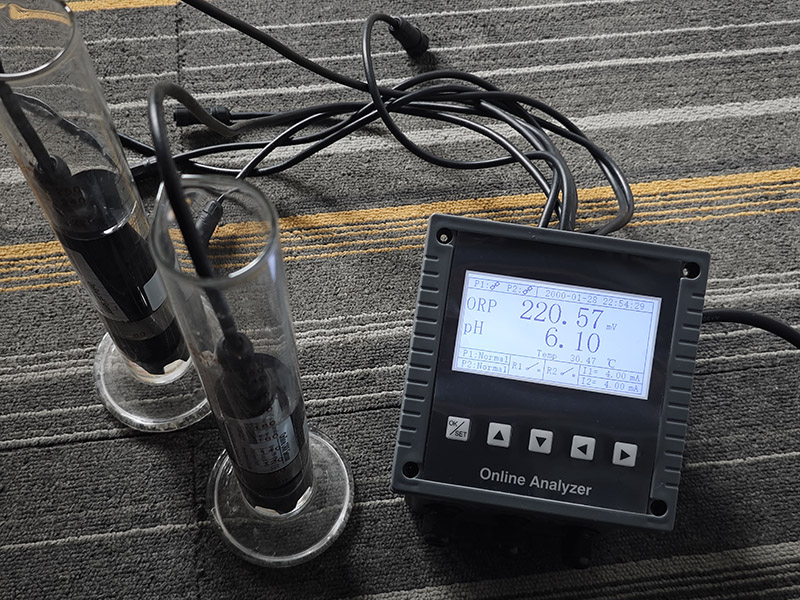
Maintaining quality and consistency is essential in the food and beverage industry. From dairy products to beverages, acidity levels play a critical role in flavor, safety, and shelf life. Monitoring pH allows producers to control fermentation, prevent spoilage, and comply with regulatory standards. Accurate pH measurement ensures that products meet consumer expectations while minimizing production risks.
Food and beverage manufacturers often deal with complex formulations where even minor changes in pH can affect texture, taste, and stability. For example, fermented products like yogurt and cheese require precise acidity levels for proper microbial growth. Similarly, soft drinks, juices, and sauces depend on accurate pH management to maintain flavor balance and preserve quality over time.
A key tool in achieving these outcomes is the pH sensor, which measures hydrogen ion concentration in liquids and semi-solid foods. These sensors provide real-time data that allow producers to adjust processes quickly, ensuring consistent product quality across batches.
The Importance of pH in Food Safety
pH plays a major role in food safety by influencing microbial activity. Low or high acidity levels can either inhibit or promote the growth of bacteria, yeast, and mold. Monitoring pH helps manufacturers maintain safe conditions and comply with food safety regulations. This is particularly critical in products susceptible to contamination, such as fermented beverages, dairy items, and ready-to-eat foods.
In addition to controlling microbial growth, pH monitoring ensures that preservatives work effectively. Proper acidity enhances the performance of natural and artificial preservatives, extending product shelf life without compromising quality.
Types of pH Sensors Used in the Industry
The food and beverage industry utilizes several types of pH sensors, each suitable for specific applications. Glass electrode sensors are common in laboratory testing and quality control due to their high accuracy and stability. They are ideal for liquid samples where precise measurement is essential.
ISFET (Ion-Sensitive Field-Effect Transistor) sensors are increasingly popular in production environments. Their robust design allows them to withstand harsh conditions, including high temperatures and viscous liquids. Solid-state sensors are another option, particularly for portable or field testing where durability and convenience are priorities.
Applications in Quality Control
pH sensors are integral to many processes within food and beverage production. In fermentation, continuous monitoring of acidity ensures that microbial cultures develop correctly and that the final product achieves the desired flavor and texture. In juice and soft drink production, pH measurement helps maintain consistent sweetness and tartness while preventing microbial contamination.
Dairy production also benefits from pH monitoring. Yogurt, cheese, and other cultured products require specific acidity levels to achieve proper coagulation and texture. Sensors provide real-time feedback, allowing operators to adjust processing conditions quickly.
Advantages of Using pH Sensors
The adoption of pH sensors in quality control brings multiple benefits. First, they provide accurate and consistent measurements, which reduce batch-to-batch variability and improve overall product quality. Real-time monitoring allows for immediate adjustments during production, minimizing waste and optimizing resource use.
Additionally, sensors enhance efficiency by automating the pH measurement process. Operators can focus on other critical aspects of production while maintaining precise control over acidity levels. Many sensors also integrate with data logging systems, enabling long-term tracking, analysis, and regulatory compliance.
Integration with Modern Technology
Modern food and beverage facilities increasingly incorporate pH sensors into automated systems. These sensors can be linked to process control units, allowing adjustments to be made without manual intervention. Integration improves process reliability and ensures consistent product quality, particularly in high-volume manufacturing environments.
Wireless and digital sensors provide further advantages by offering remote monitoring and data storage capabilities. This technology supports proactive quality management, reducing the likelihood of defects or spoilage.
Conclusion
Using pH sensors in food and beverage quality control is essential for maintaining safety, flavor, and consistency. By providing precise, real-time measurements, these devices enable producers to manage fermentation, prevent contamination, and optimize production processes. As the industry continues to embrace technological solutions, pH sensors remain a critical tool in ensuring that products meet both regulatory standards and consumer expectations.
