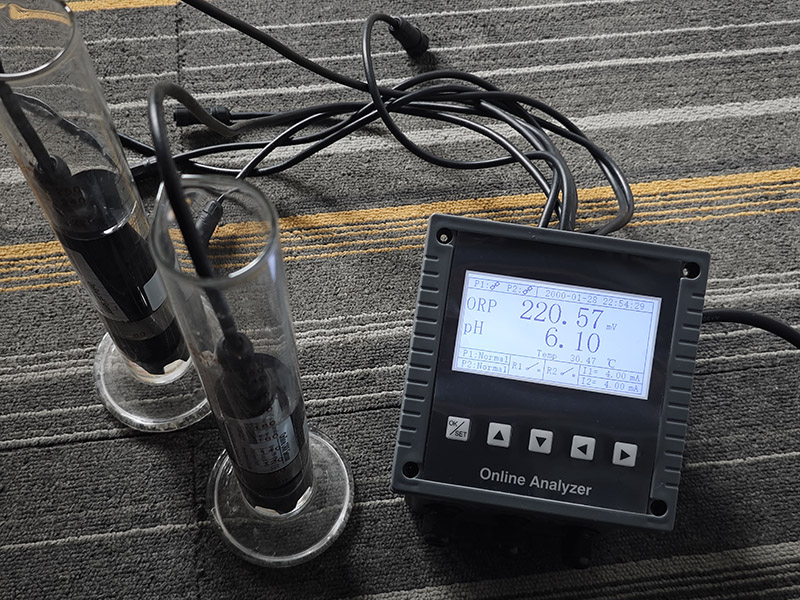
Across a wide range of industrial operations, maintaining the correct water chemistry is essential for ensuring product quality, equipment longevity, and regulatory compliance. One of the most important parameters to monitor is pH, as it directly influences chemical reactions, corrosion rates, and biological activity. When pH drifts outside the desired range, it can disrupt production processes, cause costly equipment damage, or lead to safety concerns. For these reasons, many industries rely on advanced monitoring tools to ensure continuous control of water conditions.
Modern facilities increasingly depend on technology such as a pH Sensor for Water to maintain stable operations. These sensors provide highly accurate, real-time data that help engineers and technicians identify changes quickly, preventing problems before they escalate. In industrial environments where precision is essential, dependable pH measurement has become a key component of quality assurance and process optimization.
Why pH Monitoring Matters in Industrial Settings
Different industrial processes require specific pH levels to function properly. In chemical manufacturing, for example, the formulation of various compounds depends on maintaining a stable pH range. Even a slight deviation can alter reaction rates, resulting in inconsistent products. Likewise, in industries such as textiles, pharmaceuticals, and food processing, pH affects product consistency, color stability, and microbial control.
For metal finishing and electroplating operations, incorrect pH levels can lead to uneven coating, reduced adhesion, or contamination of the final product. In cooling towers and boiler systems, pH also plays a critical role in preventing corrosion and scaling, both of which can impair equipment efficiency and increase maintenance costs.
Protecting Equipment and Reducing Operational Costs
Industrial equipment is often exposed to water during cleaning, processing, or cooling. When the water becomes too acidic, it accelerates corrosion, damaging pipelines, tanks, pumps, and other system components. Over time, this not only reduces efficiency but also increases repair and replacement expenses.
A reliable pH monitoring system helps detect corrosive conditions early, allowing maintenance teams to make timely adjustments. By maintaining pH within safe limits, companies can extend the lifespan of their equipment and avoid unexpected downtime. This contributes to lower operational costs and more consistent production output.
Supporting Regulatory Compliance and Environmental Protection
Many industries must follow strict regulations related to wastewater discharge. Authorities often require treated water to meet specific pH standards before it can be released into the environment. Failure to comply can result in penalties, environmental damage, and harm to local ecosystems.
Real-time pH monitoring provides a dependable way to ensure that wastewater treatment processes remain effective. If pH levels begin to drift, operators can quickly adjust chemical dosing to bring the system back into compliance. This not only prevents violations but also demonstrates a commitment to environmental responsibility.
Enhancing Process Efficiency Through Real-Time Data
One of the biggest advantages of modern pH sensors is their ability to deliver continuous updates. Real-time data allows operators to monitor trends, detect abnormalities, and respond immediately when changes occur. For fully automated systems, sensors provide data that controls dosing pumps, valves, and other components, ensuring seamless and precise adjustments.
With accurate information available at all times, facilities can optimize chemical usage, reduce waste, and improve overall process efficiency. This creates a more stable and predictable manufacturing environment.
Choosing the Right Sensor for Industrial Applications
Industrial environments often include harsh conditions such as high temperatures, heavy contamination, or chemical exposure. Therefore, selecting the right sensor is essential. Durable construction materials, specialized electrode designs, and temperature compensation features help ensure accuracy even in demanding settings.
Sensors built for industrial use are typically designed to handle continuous operation without frequent maintenance. Many models also offer compatibility with digital monitoring systems, enabling remote tracking and integration with supervisory control platforms.
Maintenance and Calibration for Long-Term Performance
To ensure reliable operation, sensors must be maintained properly. Regular calibration helps maintain measurement accuracy, especially in applications where water contains complex mixtures of chemicals or particulates. Cleaning the electrodes and verifying the reference system improves performance and prevents drift.
Industrial facilities often create maintenance schedules to keep sensors functioning at their best. This systematic approach enhances reliability and supports uninterrupted operation.
Conclusion
In today’s industrial landscape, precise water quality monitoring is vital for safe, efficient, and compliant operations. A dependable pH monitoring system helps protect equipment, maintain product quality, and support environmental standards. With real-time data and improved accuracy, modern sensors have become indispensable tools across numerous industries. By investing in advanced pH measurement technology, companies strengthen their operational resilience and ensure long-term success.
