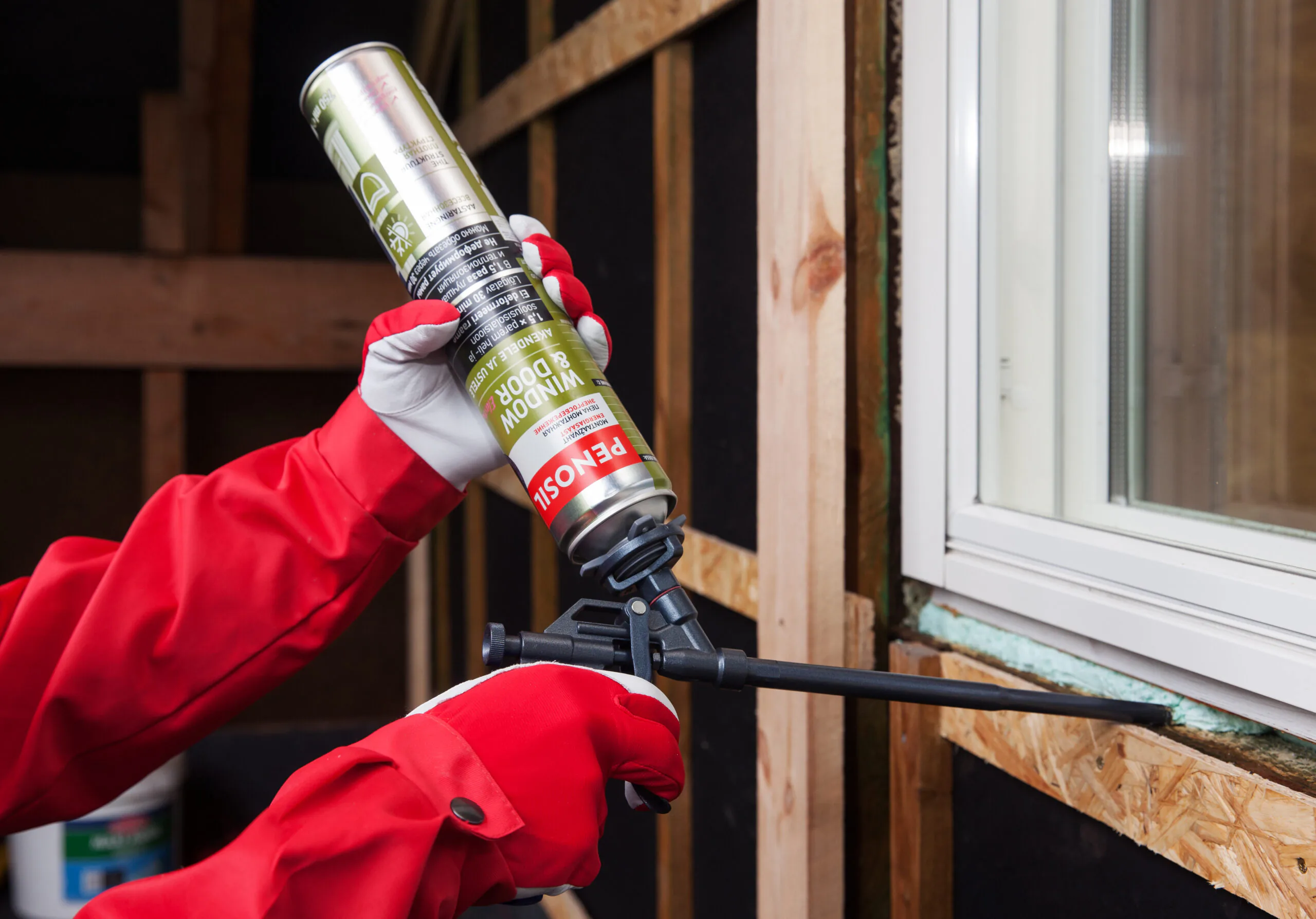
Foam sealant is a versatile and highly effective material used for sealing gaps, insulating spaces, and improving energy efficiency in homes and offices. While it offers numerous benefits, it must be handled carefully due to its chemical composition and expanding properties. Proper safety measures ensure effective application while preventing accidents, injuries, and damage to surfaces.
Understanding Foam Sealant
Foam sealant is a polyurethane-based expanding material that adheres to a variety of surfaces, including wood, metal, concrete, and brick. Its expansion allows it to fill cracks, gaps, and cavities, providing airtight and moisture-resistant seals. For those seeking high-quality and reliable options, foam sealant comes in multiple formulations for indoor, outdoor, and specialized uses, ensuring safe and consistent performance when applied correctly.
Personal Protective Equipment (PPE)
1. Wear Gloves
Foam sealant can cause skin irritation or burns if it comes into contact with bare skin. Always wear chemical-resistant gloves when applying foam to protect your hands. Latex or nitrile gloves are suitable for most applications, but thicker work gloves may be needed for larger projects.
2. Eye Protection
Accidental contact with eyes can result in serious injury. Safety goggles or glasses should be worn at all times when applying foam sealant. Ensure that the eyewear fits properly and provides complete coverage to prevent splashes from reaching your eyes.
3. Respiratory Protection
Some foam sealants release fumes or volatile compounds that can irritate the respiratory system. Use the product in a well-ventilated area, or wear a respirator or mask rated for chemical vapors if working in enclosed spaces. Proper ventilation reduces inhalation risks and ensures a safer working environment.
Safe Handling Practices
1. Read Instructions Carefully
Always follow the manufacturer’s instructions for safe application, curing time, and storage. Different foam sealant formulations may have unique handling requirements, and adhering to guidelines ensures both safety and optimal performance.
2. Avoid Direct Contact
Do not touch uncured foam with bare hands, and avoid skin contact with cured foam if possible. Uncured foam can be sticky and difficult to remove, while cured foam may require chemical solvents or mechanical removal.
3. Apply in Controlled Amounts
Foam sealant expands significantly after application. Apply it gradually to avoid overfilling gaps, which can cause spills and excess material that may be difficult to trim. Using an applicator gun or nozzle can improve precision and control.
4. Maintain Proper Storage
Store foam sealant in a cool, dry place away from heat sources or open flames. High temperatures can cause pressure buildup in the canister, increasing the risk of rupture. Keep the product upright and tightly sealed when not in use to prevent accidental release or contamination.
Cleanup and Disposal
1. Remove Excess Foam Carefully
Trim cured foam with a utility knife or saw. For uncured foam, use a recommended solvent or cleaner for safe removal from surfaces and tools. Avoid using abrasive methods that can damage surfaces.
2. Dispose of Containers Properly
Empty or partially used foam sealant containers should be disposed of according to local regulations for hazardous materials. Do not puncture or incinerate canisters, as this may cause injury or release toxic fumes.
Special Precautions for Indoor Use
- Ensure adequate ventilation in rooms where foam sealant is applied.
- Keep children and pets away from the work area until the foam has fully cured.
- Avoid applying foam near food preparation areas or surfaces that come into direct contact with food.
- Do not mix foam sealant with other chemicals unless specified by the manufacturer, as this may produce hazardous reactions.
Conclusion
Handling foam sealant safely is crucial for achieving effective results while minimizing health risks and damage to property. Using personal protective equipment, following manufacturer instructions, applying foam in controlled amounts, and ensuring proper storage and disposal are all essential safety practices. By taking these precautions, homeowners and professionals can take full advantage of the benefits of foam sealant, including improved insulation, airtight sealing, and moisture resistance, while maintaining a safe and controlled work environment. Proper safety measures not only protect individuals but also contribute to the efficiency and durability of the sealing project.
