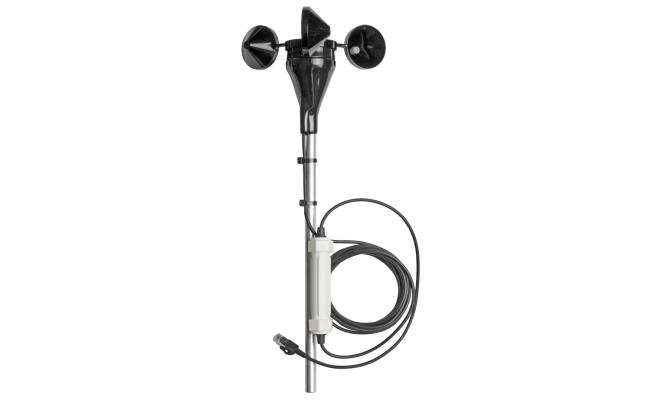
Accurate wind measurement is essential across a variety of industries, from meteorology and aviation to renewable energy and environmental monitoring. Choosing the right device can significantly impact the quality of data, operational efficiency, and safety. Among the options available, the Rika Wind Sensor has emerged as a leading solution due to its advanced technology, precision, and reliability. Comparing it with other wind measurement devices highlights the key differences that make it a preferred choice for professionals.
A Rika Wind Sensor uses ultrasonic technology to measure both wind speed and direction without any moving parts. This contrasts with traditional mechanical devices such as cup anemometers and vane sensors, which rely on rotating components to detect airflow. The ultrasonic approach provides higher accuracy, faster response time, and minimal maintenance requirements, making it especially suitable for demanding environments where consistent data is critical.
Mechanical Anemometers: Traditional but Limited
Mechanical wind measurement devices, including cup and vane anemometers, have been used for decades. Cup anemometers measure wind speed by counting the rotations of three or four cups mounted on a horizontal arm. Vane anemometers combine a rotor with a directional vane to provide both wind speed and direction readings.
While mechanical devices are cost-effective and relatively simple, they come with several limitations. Moving parts are susceptible to wear and tear, friction, and environmental damage such as ice, dirt, or corrosion. This can lead to inaccurate readings and frequent maintenance requirements. Additionally, mechanical sensors respond more slowly to gusts and rapid changes in wind direction, which can limit their usefulness in applications requiring real-time data.
Ultrasonic Wind Sensors: Precision and Durability
The Rika Wind Sensor represents the modern approach to wind measurement through ultrasonic technology. By transmitting sound waves between transducers, it calculates wind speed and direction based on variations in the travel time of the pulses. This method eliminates the need for moving parts, significantly enhancing durability and reducing maintenance needs.
Ultrasonic sensors also provide immediate response to changes in wind speed and direction, delivering real-time, high-resolution data. This capability is critical for meteorologists monitoring weather patterns, engineers managing wind-sensitive infrastructure, and operators optimizing wind turbine performance. The combination of precision and reliability is a significant advantage over traditional mechanical devices.
Response Time and Accuracy
One of the most noticeable differences between the Rika Wind Sensor and mechanical instruments is response time. Mechanical sensors rely on inertia to detect wind changes, meaning sudden gusts may not be recorded accurately or immediately. In contrast, ultrasonic sensors provide instantaneous measurements with high resolution, making them suitable for applications that demand precise and timely data.
Accuracy is another critical differentiator. The Rika Wind Sensor includes advanced signal processing and environmental compensation for factors such as temperature, humidity, and air density. This ensures consistent readings in diverse conditions, from calm breezes to strong storms, whereas mechanical sensors may experience reduced accuracy in extreme weather.
Durability and Environmental Resilience
Environmental resilience is essential for long-term wind measurement. Mechanical devices are vulnerable to corrosion, ice buildup, dust, and physical wear, which can shorten operational life and increase maintenance costs. The Rika Wind Sensor, built with corrosion-resistant materials and aerodynamic housing, resists harsh weather conditions including rain, snow, UV exposure, and high winds. Its non-mechanical design allows continuous operation with minimal intervention, making it ideal for remote or offshore installations.
Integration and Data Management
Modern wind monitoring requires seamless integration with data acquisition systems, control platforms, and networked monitoring setups. The Rika Wind Sensor offers digital outputs compatible with standard interfaces, allowing real-time data collection and remote monitoring. Many mechanical sensors require additional converters or manual logging, which can limit flexibility and delay analysis.
Digital connectivity and smart integration of the Rika Wind Sensor enable applications such as turbine optimization, predictive maintenance, and environmental monitoring. Multiple sensors can feed into centralized systems for comprehensive wind mapping, enhancing decision-making for operators and researchers.
Maintenance and Longevity
Maintenance is a key consideration when comparing wind measurement devices. Mechanical instruments need regular lubrication, calibration, and inspection to maintain accuracy, whereas the Rika Wind Sensor’s ultrasonic technology drastically reduces routine maintenance. Its stability over time ensures consistent performance, minimizes downtime, and reduces operational costs, making it a more sustainable long-term solution.
Conclusion
The Rika Wind Sensor distinguishes itself from traditional mechanical wind measurement devices through its ultrasonic technology, rapid response, high accuracy, durability, and digital integration. While mechanical anemometers are cost-effective and simple, they require frequent maintenance and can suffer from slower response and reduced accuracy in challenging conditions. The Rika Wind Sensor provides precise, reliable, and real-time wind data with minimal upkeep, making it a trusted choice for meteorologists, engineers, and renewable energy operators. Its advanced design ensures long-term performance and adaptability, supporting critical applications across multiple industries.
