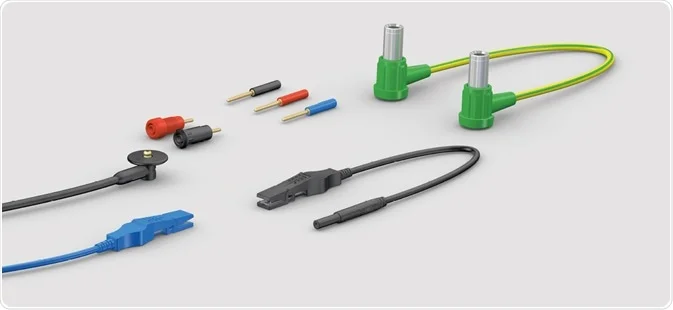
Medical device connectors are critical components in healthcare equipment, responsible for transmitting both electrical power and data signals efficiently and reliably. These connectors are used in a wide range of devices, including patient monitoring systems, imaging equipment, surgical instruments, and portable diagnostic tools. Ensuring seamless power and data transfer is essential for maintaining device performance, accuracy, and safety in clinical environments.
High-quality medical device connectors are designed to handle both power and data transmission without compromising signal integrity or electrical safety. The growing complexity of medical devices requires connectors that can carry higher currents for power-intensive applications while simultaneously maintaining low-resistance, interference-free pathways for sensitive data signals. Understanding the principles of power and data transfer in these connectors is crucial for device designers and engineers.
Power Transfer Considerations
Power transfer in medical device connectors involves delivering stable voltage and current from the power source to the device components. Key considerations include the connector’s current rating, voltage tolerance, and contact resistance. Connectors must handle peak loads without overheating, arcing, or degradation over time.
Contact materials, such as gold or silver plating, help maintain low resistance and prevent oxidation, ensuring consistent power delivery. Additionally, connector design features, including larger contact areas and robust housing, enhance current-carrying capacity while reducing mechanical wear. Strain relief mechanisms are often integrated to prevent damage to wires and contacts during handling or repeated mating cycles.
In medical devices such as infusion pumps or imaging systems, reliable power transfer is critical. Any interruption or fluctuation in power can compromise device functionality, leading to inaccurate readings, operational delays, or potential safety risks. Therefore, power-focused connector design emphasizes durability, thermal stability, and mechanical strength.
Data Transfer Considerations
Modern medical devices increasingly rely on high-speed data transfer for real-time monitoring, diagnostics, and imaging. Connectors must maintain signal integrity while minimizing interference, crosstalk, and electromagnetic noise. Data transfer performance is influenced by pin arrangement, shielding, insulation materials, and connector geometry.
Coaxial connectors and high-frequency board-to-board solutions are commonly used in devices that transmit large amounts of data, such as MRI and ultrasound machines. These connectors ensure that signals remain accurate and consistent, even under demanding conditions. Twisted-pair designs and integrated shielding can further reduce electromagnetic interference, preserving the quality of sensitive data transmissions.
For wearable devices and portable diagnostic tools, lightweight connectors with compact designs are essential. These connectors must maintain high data transfer rates while providing the flexibility and durability required for frequent handling and mobility.
Hybrid Connectors for Power and Data
To simplify device architecture and reduce assembly complexity, hybrid connectors that integrate power and data pathways in a single interface are increasingly used. These connectors allow both power and high-speed data to flow through the same component without interference, optimizing device performance and space utilization.
Hybrid connectors are particularly useful in compact medical devices where space is limited. They provide reliable connections while reducing the number of separate components, streamlining maintenance, and minimizing the risk of connection errors.
Reliability and Testing
Ensuring reliable power and data transfer requires rigorous testing of connectors under real-world conditions. Mechanical testing, such as repeated mating cycles, vibration, and impact tests, evaluates durability. Electrical testing ensures consistent current handling, low contact resistance, and accurate signal transmission. Environmental testing simulates exposure to moisture, temperature fluctuations, cleaning agents, and sterilization processes.
Manufacturers often implement strict quality control and inspection procedures to guarantee that connectors meet medical standards, including ISO 13485 for quality management and IEC 60601 for electrical safety. These standards ensure that connectors can operate safely and reliably in clinical environments, supporting patient safety and device performance.
Applications in Medical Devices
Medical device connectors that handle both power and data are used across a wide range of applications. Patient monitoring systems rely on connectors to transmit electrical signals from sensors to monitoring units. Imaging devices, such as CT scanners and MRI machines, use high-speed connectors to carry data for real-time image processing. Surgical tools, including robotic instruments, require connectors that provide both precise power control and reliable data feedback. Portable diagnostic devices and wearable health monitors also depend on hybrid connectors to maintain compact design while ensuring operational reliability.
Conclusion
Power and data transfer are fundamental aspects of medical device connectors, directly affecting device performance, safety, and reliability. By selecting high-quality medical device connectors designed for both robust power delivery and interference-free data transmission, device developers can ensure consistent operation and accurate results. Advances in hybrid designs, materials, and testing methods continue to enhance the capabilities of connectors, supporting the development of innovative, compact, and efficient medical devices. Proper connector selection and design ultimately contribute to improved patient care, device reliability, and long-term healthcare outcomes.
