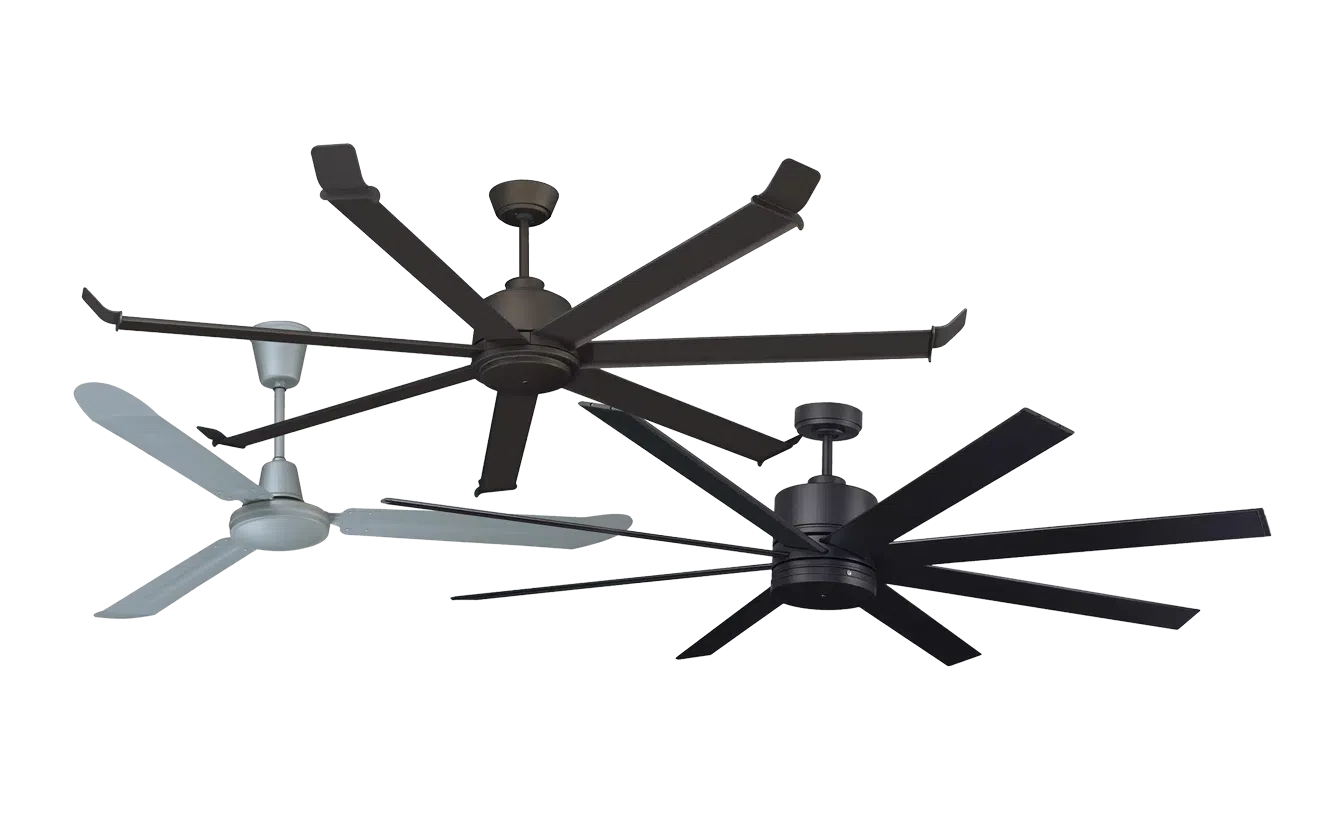
Outdoor ceiling fans are an essential feature for enhancing comfort and air circulation in open-air spaces such as patios, verandas, balconies, and semi-enclosed terraces. Unlike indoor fans, these units must withstand exposure to sun, rain, humidity, and other environmental factors while maintaining reliable performance. Choosing the right fan involves understanding design aesthetics, durability requirements, and proper installation techniques to ensure both functionality and longevity.
Selecting a Ceiling Fan for Outdoor requires careful attention to weather-resistant materials and finishes. These fans are designed to provide effective airflow in outdoor environments while resisting corrosion, moisture, and UV damage. With proper selection, an outdoor ceiling fan can extend the usability of a space, keeping it comfortable throughout the year, even during Singapore’s warm and humid conditions.
Design Considerations for Outdoor Ceiling Fans
A key aspect of choosing an outdoor ceiling fan is its design. Since these fans are visible components of a space, aesthetics play an important role in complementing outdoor décor and architectural style. Fans are available in a wide range of finishes, blade materials, and lighting options, allowing homeowners to select models that harmonize with the overall design of the area.
Blade size and shape also affect airflow performance. Longer blades or models with a wider sweep are ideal for larger outdoor areas, as they move more air at lower speeds, creating a gentle breeze rather than a disruptive gust. Additionally, some fans feature reversible blades or motor directions, allowing year-round functionality by either cooling the space in summer or redistributing warm air in cooler months.
Durability and Weather Resistance
Outdoor ceiling fans must be built to endure the elements. High humidity, rain, and direct sunlight can damage conventional fans, leading to rust, warping, or motor failure. Fans designed specifically for outdoor use include materials such as stainless steel, UV-resistant plastics, and corrosion-resistant coatings to prevent degradation.
Fans are typically rated as either “damp” or “wet” to indicate their suitability for specific outdoor conditions. Damp-rated fans are suitable for covered patios or semi-enclosed areas where the fan is protected from direct exposure to rain, while wet-rated fans can handle fully exposed spaces. Selecting the appropriate rating ensures safety, longevity, and optimal performance.
Installation Considerations
Correct installation is crucial for safety and efficiency. Ceiling fans require secure mounting to overhead structures, especially in outdoor areas that may experience wind or vibration. Proper clearance from walls, beams, and other obstacles ensures unobstructed airflow and prevents potential hazards.
Professional installation is recommended, particularly for fans in exposed or elevated areas. Qualified installers can ensure compliance with safety standards, proper electrical connections, and optimal placement to maximize airflow across the space. Additionally, using the correct mounting hardware and following manufacturer guidelines helps prevent premature wear and operational issues.
Airflow and Comfort Benefits
Outdoor ceiling fans improve comfort by circulating air efficiently, creating a cooling effect even in hot and humid environments. Unlike air conditioning, which is often impractical in open spaces, fans provide continuous air movement that helps regulate temperature and reduce perceived heat.
Proper airflow also helps disperse moisture and humidity, creating a more pleasant environment for occupants. In social settings or dining areas, fans can keep guests comfortable while also deterring insects and preventing stagnant air pockets.
Energy Efficiency Advantages
Compared to air conditioning, outdoor ceiling fans are highly energy-efficient. They consume significantly less electricity while still improving thermal comfort. When used in conjunction with other cooling strategies, fans can reduce the workload on HVAC systems, lowering energy bills and supporting sustainable practices.
Modern fans often include energy-saving motors and variable speed controls, allowing homeowners to adjust airflow according to weather conditions or specific needs. This adaptability further enhances efficiency and comfort while minimizing operating costs.
Maintenance and Longevity
Routine maintenance is essential for prolonging the life of an outdoor ceiling fan. Cleaning blades and motor housings regularly prevents dust and debris buildup, which can affect performance and balance. Inspecting mounting hardware, electrical connections, and blade alignment helps identify potential issues early, reducing the risk of damage or accidents.
High-quality fans built for outdoor use require minimal maintenance while offering long-term reliability. Selecting models with durable materials and proven engineering ensures that the fan continues to operate efficiently for years, even in challenging outdoor conditions.
Conclusion
Outdoor ceiling fans are an effective solution for enhancing comfort, airflow, and usability in open-air spaces. By considering design, durability, and proper installation, homeowners can enjoy a functional and aesthetically pleasing addition to patios, terraces, and balconies. Choosing a Ceiling Fan for Outdoor ensures reliable performance, energy efficiency, and long-term durability, making it an excellent investment for creating comfortable, enjoyable outdoor environments year-round.
