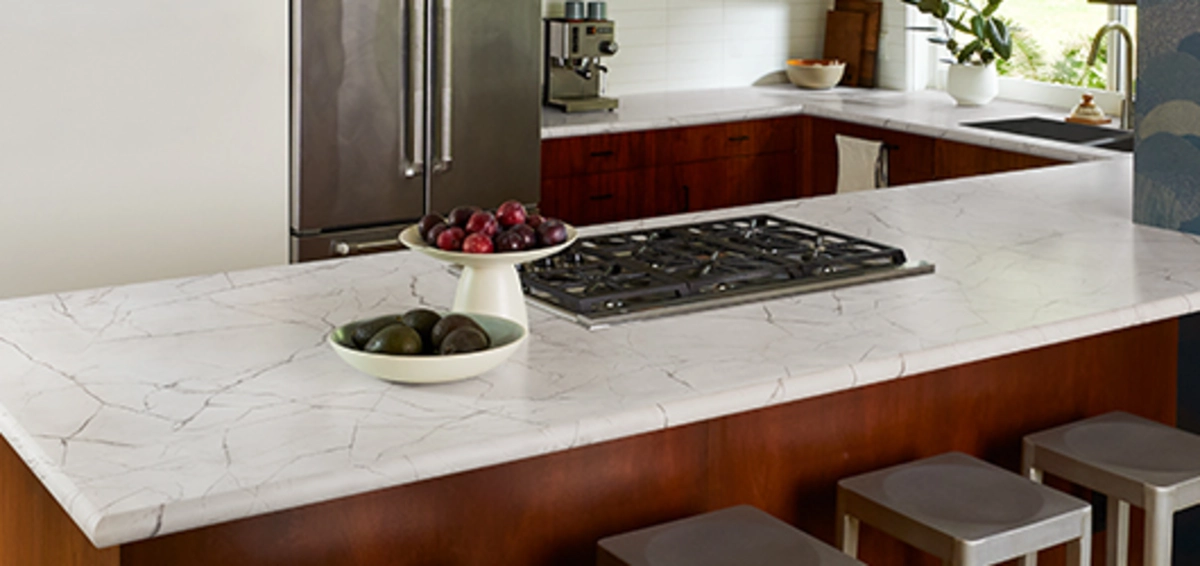
Maintaining cleanliness and hygiene has become a top priority in modern construction and interior design. Whether in residential kitchens, healthcare facilities, hospitality spaces, or commercial environments, surfaces must be designed to resist contamination and allow easy maintenance. Solid surface materials have gained widespread recognition for their hygienic qualities, especially because of their non-porous structure. Among these materials, KKR solid surface products are known for combining durability, seamless fabrication, and superior hygiene performance, making them an ideal solution for environments where cleanliness is essential.
Traditional materials such as natural stone, wood, or tile often contain microscopic pores or grout lines that can trap moisture, bacteria, and dirt. Over time, these hidden spaces may lead to stains, odors, or microbial growth, particularly in high-use areas like kitchens and bathrooms. Modern engineered materials address this challenge by offering surfaces that resist absorption and contamination. Many architects, designers, and contractors choose solutions like KKR Solid Surface because its non-porous composition provides a cleaner and safer surface that is easier to maintain in both residential and commercial environments.
Understanding the Non-Porous Structure
The non-porous nature of solid surface materials is one of their most important characteristics. Unlike natural materials that may absorb liquids, solid surface materials are manufactured with a dense and uniform composition. This structure prevents water, oils, and other substances from penetrating the surface.
Because liquids remain on the surface rather than soaking into the material, cleaning becomes significantly easier. Spills can be wiped away quickly without leaving behind stains or bacteria. This feature is particularly valuable in kitchens, bathrooms, hospitals, and laboratories where hygiene standards must be maintained consistently.
Another benefit of the non-porous structure is the prevention of mold and mildew growth. Since moisture cannot penetrate the material, the conditions required for microbial growth are greatly reduced. This makes solid surface materials a safer choice for spaces exposed to humidity and frequent water contact.
Seamless Fabrication for Improved Hygiene
A key advantage of solid surface materials is their ability to be fabricated with nearly invisible seams. Many traditional surfaces require joints, grout lines, or mechanical connections that create small gaps where dirt and bacteria can accumulate. These areas can be difficult to clean and may eventually compromise hygiene.
Solid surface panels, countertops, and sinks can be joined together seamlessly using specialized adhesives and finishing techniques. The result is a smooth and continuous surface without visible joints or gaps. This seamless design eliminates common problem areas where contaminants could collect.
Integrated sinks are another example of how seamless fabrication improves hygiene. In this design, the sink is formed as part of the countertop itself rather than being installed as a separate component. Without the rim or seam that typically surrounds drop-in sinks, cleaning becomes much easier and more effective.
Easy Cleaning and Maintenance
Hygienic surfaces must also be easy to maintain. One of the main reasons homeowners and facility managers choose solid surface materials is their simple cleaning process. Most surfaces require only mild soap, water, and a soft cloth for regular maintenance.
Because the material is non-porous, harsh chemicals or specialized cleaning agents are rarely necessary. Even in environments where frequent cleaning is required, the surface maintains its integrity and appearance.
In addition to routine cleaning, the material also offers the advantage of repairability. Minor scratches or surface marks can often be removed through light sanding or polishing. This ability to restore the surface helps maintain a clean and professional appearance over time.
Ideal for Healthcare and Food Preparation Areas
Hygiene is especially critical in environments where health and safety standards are strict. Healthcare facilities, clinics, and laboratories require materials that support infection control practices. Solid surface materials meet these requirements by providing smooth, easy-to-clean surfaces that resist bacterial growth.
Similarly, food preparation areas benefit greatly from non-porous materials. Kitchen countertops must remain sanitary to prevent cross-contamination between food items. Solid surface countertops offer a reliable workspace where spills can be cleaned quickly and thoroughly.
The seamless integration of sinks and backsplashes further improves sanitation by eliminating areas where food particles or moisture might collect. These design features make solid surface materials particularly suitable for both residential kitchens and commercial food service facilities.
Durability That Supports Long-Term Hygiene
Hygienic surfaces must also maintain their properties over time. Materials that degrade, crack, or develop porous areas can become difficult to clean and may harbor contaminants. Solid surface materials are designed to remain durable and structurally stable even after years of use.
Their resistance to moisture, stains, and microbial growth ensures that they continue to support hygienic conditions throughout their lifespan. Even in high-traffic environments, the material retains its smooth finish and protective characteristics.
This long-term reliability reduces the need for frequent replacements or repairs, making solid surface materials a practical and cost-effective solution for both homeowners and commercial property managers.
Supporting Healthier Living and Working Environments
As awareness of hygiene and sanitation continues to grow, the demand for materials that support clean environments will remain strong. Non-porous solid surface materials address many of the challenges associated with traditional surfaces by offering seamless construction, easy maintenance, and resistance to contamination.
These qualities make them suitable for a wide range of applications, including kitchens, bathrooms, hospitals, laboratories, and hospitality spaces. Their combination of functionality and aesthetic appeal ensures that they meet the needs of modern architecture and interior design.
By providing surfaces that are both hygienic and durable, solid surface materials contribute to healthier living and working environments while maintaining the visual quality expected in contemporary spaces.
