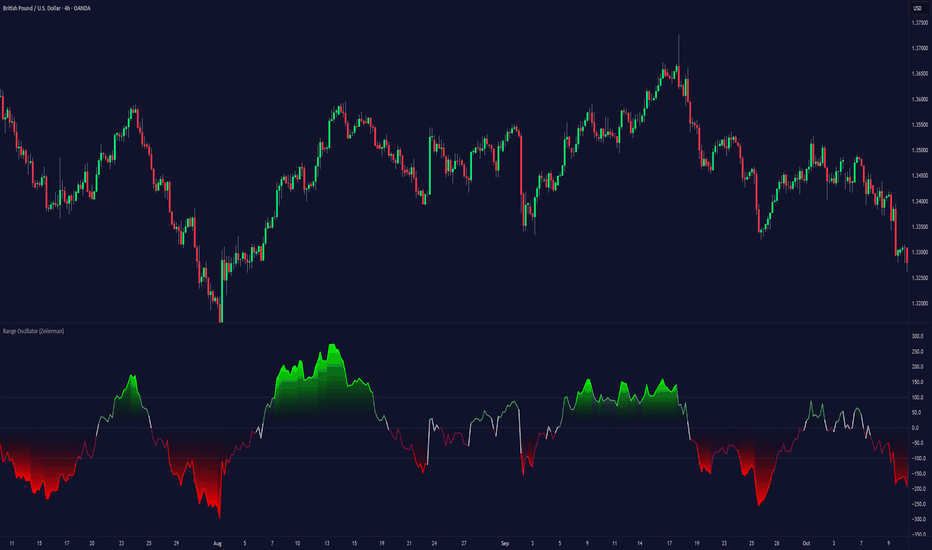
Volume and price analysis are often used together by traders who want to have a more comprehensive view of the market behavior to ensure that the trends are confirmed and future reversals are predicted. The TradingView charts offer an extensive platform to overlay the price action with the volume indicators to enable users to see the way the buying and selling pressure relates to price movements. The examination of these relationships assists traders to judge the market strength more effectively, know the appropriate entry points, and enhance the decision making regarding the trade generally.
Price action combined with volume shows the presence of enough market participation in the trends. An upward price and upward volume are normally a sign of a high bullish belief, and an upward price and decreasing volume could be an indicator of poor momentum. With TradingView charts, traders can mark these divergences, and it is easy to have a clear visual point of reference in terms of continuity in a trend or a reversal. The dynamics are vital to understand to enter into trades with good risk-reward patterns.
Volume indicators which are On-Balance Volume, Volume Profile, or Accumulation/Distribution can be directly overlaid on TradingView charts to supplement price analysis. These tools indicate places of concentration of buying or selling pressure so that traders can know when an accumulation or distribution stage is taking place. Traders can visualize these indicators together with candlestick charts and trendlines to interactively see the market in multi-dimensional form, which improves the effectiveness of making decisions.
The price and volume combination is additionally supported by trendline and support/resistance analysis. When price moves towards a major level, it can be seen whether volume is growing or is decreasing and this can confirm that either the level will be broken or be held. TradingView charts allow traders to label such key levels and monitor changes in volume at the same time, which makes it more accurate when it comes to making an entry and exit. This integration assures that trading is made in accordance with the price action and market participation.
To narrow down volume and price analysis, several periods can be used. Short term charts show the immediate response to price changes, whereas long term charts give the response to the general movements in the market. Comparing different timeframes by using TradingView charts will enable traders to determine whether a price-volume correlation was stable across horizons to minimize acting on short-term misleading indicators. This method helps in disciplined trade execution and improvement of reliability of strategies.
TradingView charts alerts are used in order to increase responsiveness when large price-volume interactions happen. The spike in volumes can be set to give traders notifications on the spike at critical price levels to either confirm the breakouts or to show the potential reversals. The ability to add the analysis of visual charts with automated notifications promotes acting in time without the need for traders to maintain discipline and focus on high-probability opportunities.
Past information of price-volume relationships is also effective in making decisions in the future. By reviewing the past experiences when price trends were either verified or refuted by the volume, the traders can find out ways of repetition and improve their strategies. Coming up with notes on such observations on TradingView charts creates a reference system to determine risk and come up with the best stop-loss and take-profit. This habit enhances the analytical capabilities and confidence in trading.
Management of the combination of volume and price analysis on TradingView charts continually encourages a systematic and organized style of trading. The combination of volume indicators, trendlines, support and resistance levels, multi-timeframe assessment, and alerts can help traders to make informed decisions and risk is well managed. Such a thorough approach helps improve the process of strategic implementation and confidence level, allowing traders to gain more accuracy and discipline in operating under volatile markets.
