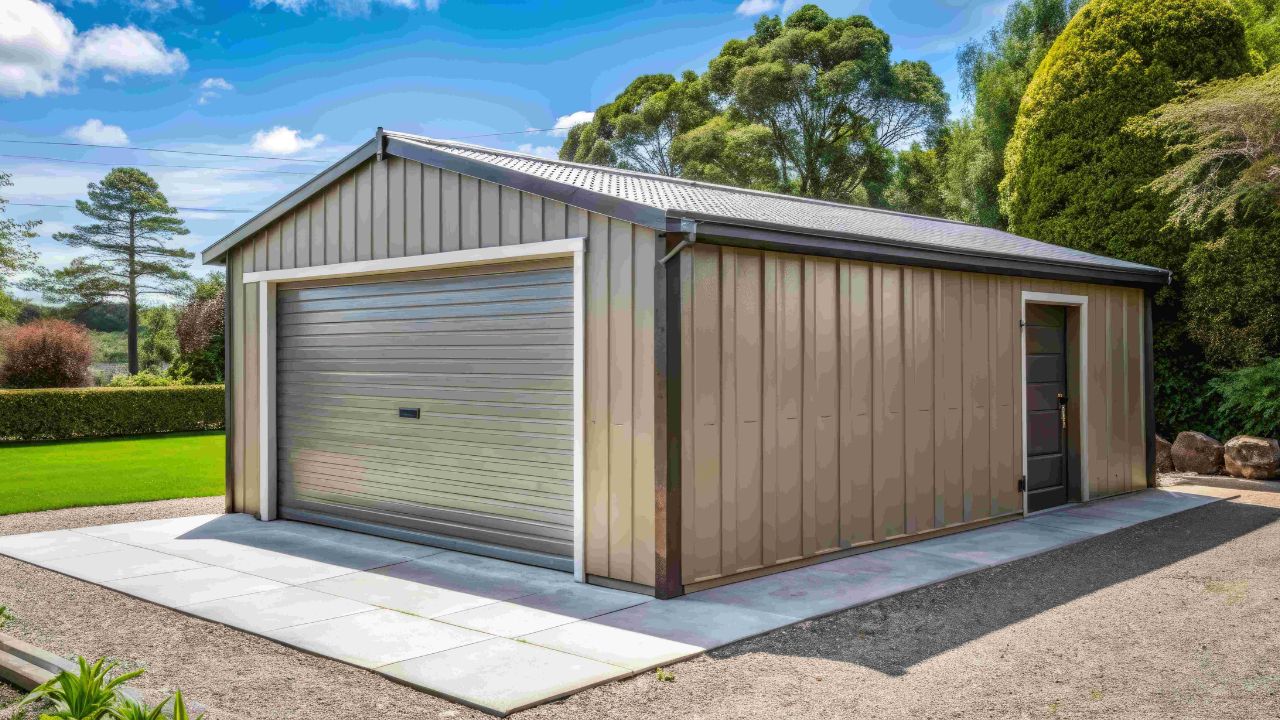
Adding a garage to your property is more than just creating a parking space. Today, garages serve multiple purposes: workshops, storage areas, hobby rooms, or even home offices. A well-designed garage enhances your property’s value, increases functionality, and provides a secure space for vehicles and equipment.
When homeowners decide to build a garage, it’s crucial to understand the various factors that affect construction costs, design choices, and material selection. Trusted resources like https://mynexthouseproject.com/ provide detailed guidance, helping you plan a garage that meets your needs without exceeding your budget.
Why You Should Consider Building a Garage
Garages are valuable additions for several reasons:
Protection and Security
A garage keeps vehicles safe from weather damage, theft, and vandalism. It also offers a secure place for tools, bicycles, and seasonal items.
Functional Versatility
Modern garages go beyond storage. They can be used as:
- Workshops for DIY projects
- Hobby or craft rooms
- Home gyms
- Extra storage for bulky items
Increased Property Value
Homes with garages often attract higher resale value. A garage demonstrates investment in functional living space, which appeals to buyers in all markets.
Planning Your Garage Project
Proper planning ensures your garage fits both your lifestyle and your property.
Decide on Garage Type
- Attached garages: Share a wall with your home, convenient for easy access, and often cheaper to build.
- Detached garages: Offer privacy and flexibility. Ideal for workshops or hobby spaces, and can be placed anywhere on the property.
Determine Size
- Single-car garage: Compact and cost-effective
- Two-car garage: Provides space for vehicles and storage
- Three-car or larger: Ideal for multiple vehicles, hobby areas, or storage
Define Purpose
Consider if your garage will be used mainly for parking or if you plan to add workshop space, storage, or climate-controlled areas. This affects layout, materials, and cost.
Factors That Influence Garage Construction Costs
Several key variables affect the overall cost of building a garage:
Material Selection
The choice of materials impacts durability, aesthetics, and cost:
- Wood framing: Affordable, customizable, and versatile
- Metal structures: Durable, low-maintenance, and slightly higher in cost
- Concrete blocks: Strong and long-lasting but labor-intensive
Roof materials also vary: asphalt shingles are cost-effective, while metal or tile roofs offer longevity.
Labor and Contractor Fees
Skilled labor ensures a high-quality build. Labor costs vary by region and the complexity of your garage design.
Foundation and Site Preparation
Most garages require a reinforced concrete slab. Land grading, excavation, and soil preparation can increase expenses.
Utilities and Electrical Work
Installing lighting, outlets, and electric garage doors is essential for functionality. If you want HVAC systems or plumbing, costs will rise.
Insulation and Finishes
For comfort and energy efficiency, insulation is recommended. Options include fiberglass, rigid foam, or spray foam. Interior finishes like shelves, cabinets, or epoxy flooring improve usability but add to the cost.
Step-by-Step Garage Construction Process
Understanding construction stages helps you manage your project effectively:
Step 1: Secure Permits
Local authorities often require building permits to ensure safety and compliance with regulations.
Step 2: Site Preparation
Clear debris, level the ground, and prepare for a stable foundation.
Step 3: Pouring the Foundation
A reinforced concrete slab forms the base of the garage. Proper curing is essential for long-term stability.
Step 4: Framing
Walls, roof trusses, and structural supports are installed. This stage defines the shape and strength of the garage.
Step 5: Exterior Finishing
Install siding, roofing, doors, and windows to protect the structure and enhance aesthetics.
Step 6: Interior Work
Insulation, electrical wiring, lighting, and storage solutions are installed. Workshops or hobby spaces may require extra power outlets and ventilation.
Step 7: Final Inspection and Clean-Up
Ensure your garage meets building codes. Clean the site and make any necessary adjustments.
Common Mistakes to Avoid When Building a Garage
- Underestimating Space: Plan for future vehicles or storage needs.
- Using Low-Quality Materials: Cheaper materials may require frequent repairs.
- Neglecting Ventilation: Proper airflow prevents moisture and fumes.
- Overlooking Storage Needs: Plan shelves and overhead storage early.
Cost-Saving Tips
- Simple Design: Rectangular garages are cost-effective and functional.
- Compare Contractors: Get multiple quotes to find competitive pricing.
- Standard Materials: Avoid custom doors and windows unless necessary.
- Plan Ahead: Avoid mid-project design changes that increase expenses.
- Build Off-Season: Contractors may offer lower rates during slow periods.
Final Thoughts
Building a garage is a smart investment that enhances security, functionality, and property value. By carefully planning size, materials, utilities, and design, you can create a garage that serves both current and future needs. For expert guidance, reliable cost estimates, and detailed construction advice, homeowners can refer to trusted online platforms like https://mynexthouseproject.com/.
A well-constructed garage not only meets your everyday needs but also improves your property’s appeal, ensuring your investment continues to provide value for years to come.
