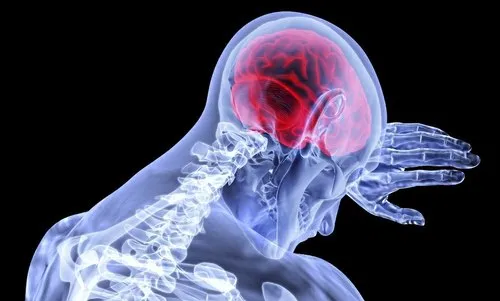
Neurological disorders can significantly impact an individual’s mobility, balance, and daily function. Conditions such as stroke, Parkinson’s disease, multiple sclerosis, or traumatic brain injury often require specialized care to restore movement, improve coordination, and maintain independence. Engaging with neurological physiotherapists ensures targeted rehabilitation tailored to the unique challenges of the nervous system, helping patients regain functional abilities and enhance quality of life. This type of therapy combines clinical expertise with personalized exercises and therapeutic interventions to optimize recovery and long-term neurological health.
Why Neurological Physiotherapy is Crucial
Working with neurological physiotherapists provides access to specialized treatment that focuses on the nervous system and its connection with muscular and skeletal function. These professionals assess how neurological conditions affect movement, posture, and balance, creating customized programs to address deficits and improve overall physical function.
Neurological physiotherapy is not limited to post-injury recovery; it is also essential for managing chronic conditions, slowing disease progression, and promoting independence in daily activities. By addressing both motor and sensory deficits, these specialists ensure patients experience optimal rehabilitation outcomes.
Key Benefits of Neurological Physiotherapy
Restoring Mobility and Functional Independence
Neurological physiotherapists develop individualized exercise programs designed to restore movement patterns, improve gait, and enhance coordination. Patients regain confidence in performing everyday tasks such as walking, standing, or climbing stairs, fostering greater independence and self-sufficiency.
Improving Balance and Coordination
Balance deficits are common in neurological conditions and increase the risk of falls. Targeted physiotherapy interventions focus on strengthening stabilizing muscles, enhancing proprioception, and training balance strategies, which significantly reduce fall risk and improve functional stability.
Pain Management and Muscle Strengthening
Neurological conditions often result in muscle weakness, spasticity, or joint discomfort. Physiotherapy techniques, including manual therapy, stretching, and resistance training, help reduce stiffness, increase flexibility, and restore muscle strength, improving overall comfort and physical function.
Supporting Cognitive and Motor Function
Movement and cognitive function are closely linked. Neurological physiotherapists design exercises that promote coordination, motor planning, and brain-body integration. These interventions support neuroplasticity, helping the brain adapt and recover following injury or disease.
Customized Rehabilitation Programs
Every patient has unique neurological challenges. Personalized treatment plans address specific deficits, whether improving limb mobility after a stroke, maintaining postural control in Parkinson’s disease, or strengthening muscles weakened by multiple sclerosis. This tailored approach ensures each session targets the most impactful areas for recovery.
Common Conditions Treated by Neurological Physiotherapists
- Stroke Rehabilitation: Enhancing mobility, balance, and muscle strength post-stroke.
- Parkinson’s Disease: Improving posture, gait, and coordination to maintain independence.
- Multiple Sclerosis: Managing fatigue, weakness, and mobility limitations through targeted exercises.
- Traumatic Brain Injury: Restoring functional abilities, balance, and motor control.
- Cerebral Palsy: Enhancing muscle function, coordination, and flexibility for daily activities.
How Neurological Physiotherapy Works
Comprehensive Assessment
Treatment begins with a thorough evaluation of movement patterns, muscle strength, coordination, balance, and neurological deficits. The physiotherapist identifies impairments and establishes measurable goals for recovery and functional improvement.
Individualized Exercise Programs
Based on the assessment, therapists design exercises to strengthen weak muscles, improve flexibility, and restore normal movement patterns. Activities are gradually progressed to challenge the patient safely while supporting neurological recovery.
Functional Training
Therapists integrate daily activity training to ensure that exercises translate into real-world improvements. Tasks such as walking, stair climbing, and reaching are practiced in controlled environments to enhance independence.
Manual Therapy and Modalities
Hands-on techniques, including stretching, joint mobilization, and muscle activation, support recovery by reducing stiffness, improving circulation, and promoting optimal muscle function. Advanced modalities may also be used to target neurological deficits effectively.
Education and Lifestyle Support
Patients receive guidance on posture, home modifications, safe mobility, and exercise routines. Education empowers patients and caregivers to continue therapy outside clinical sessions, enhancing long-term outcomes.
Maximizing the Benefits of Neurological Physiotherapy
- Consistent Attendance: Regular sessions promote gradual and sustained recovery.
- Home Exercise Compliance: Completing prescribed exercises at home accelerates progress.
- Open Communication: Sharing feedback about difficulties or pain allows therapists to adjust programs.
- Safety Measures: Ensuring a safe environment prevents falls and injuries during rehabilitation.
- Holistic Approach: Combining therapy with nutrition, rest, and mental health support improves overall outcomes.
Choosing the Right Neurological Physiotherapist
When selecting a provider, consider:
- Expertise and Training: Ensure the physiotherapist is experienced in managing neurological conditions.
- Personalized Care Plans: Treatments should be tailored to the patient’s specific needs and goals.
- Proven Success: Testimonials and patient outcomes demonstrate effective rehabilitation.
- Supportive and Empathetic Approach: A professional environment promotes motivation and confidence.
- Integration with Healthcare: Coordination with doctors and other specialists enhances overall care.
Long-Term Impact of Neurological Physiotherapy
Neurological physiotherapy has long-lasting benefits, improving physical function, reducing dependency, and enhancing quality of life. Patients regain mobility, strengthen muscles, and develop strategies to manage daily challenges effectively. Preventive measures and ongoing therapy help maintain progress, slow disease progression, and minimize secondary complications.
Promoting Confidence and Independence
Beyond physical recovery, neurological physiotherapy supports emotional well-being by fostering self-confidence and autonomy. Patients regain control over their bodies, enabling participation in social activities, work, and hobbies without fear of injury or limitation.
Final Thoughts
Engaging with skilled neurological physiotherapists is essential for anyone managing neurological conditions, injuries, or post-surgical rehabilitation. These specialists provide personalized care, targeted exercises, and expert guidance that optimize recovery, improve function, and enhance independence.
Investing in neurological physiotherapy allows patients to regain mobility, reduce pain, and maintain long-term physical and cognitive health. Consistent therapy, combined with education and lifestyle guidance, ensures lasting improvements and a better quality of life for individuals navigating neurological challenges.
