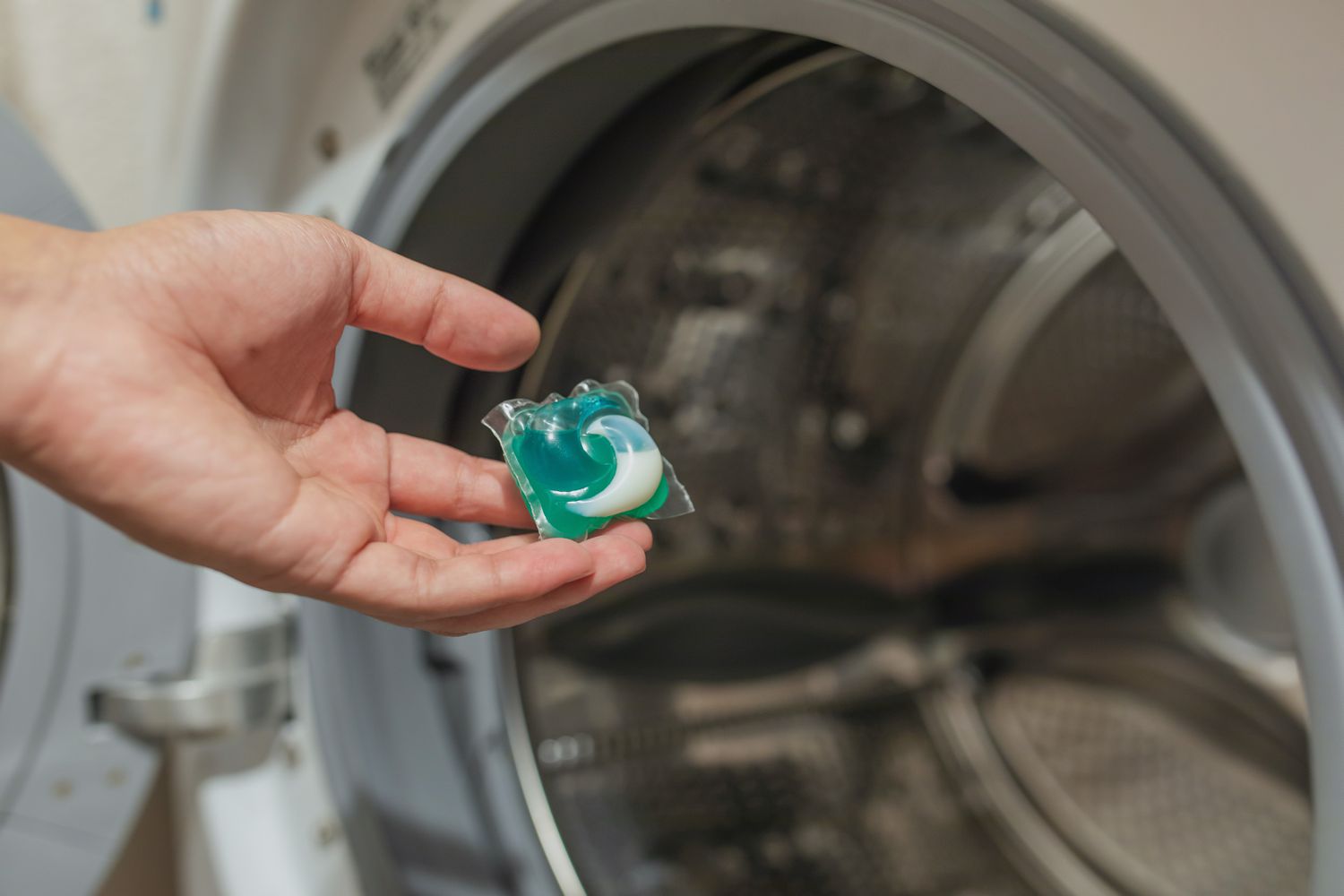
The demand for laundry pods continues to grow as consumers seek convenient, precise, and mess-free cleaning solutions. As production volumes increase, manufacturers are placing greater emphasis on energy and resource efficiency to reduce operational costs and environmental impact. Efficient manufacturing practices not only support sustainability goals but also improve profitability and long-term competitiveness. Understanding how modern laundry pods manufacturing processes optimize energy and resources is essential for factories aiming to scale responsibly.
The Role of Efficient Manufacturing Systems
Energy and resource efficiency in laundry pod production begins with the selection of advanced manufacturing systems. Traditional production methods often involve high material waste, excessive energy consumption, and inconsistent output. In contrast, modern automated systems are designed to streamline each stage of production, from detergent dosing to sealing and packaging. A well-engineered Laundry Pods Manufacturing Machine enables precise material usage and controlled energy consumption, helping factories minimize waste while maintaining consistent quality.
Optimizing Energy Consumption in Production
Energy efficiency is a key consideration in laundry pod manufacturing due to the continuous operation of machinery, heating elements, and control systems. Modern machines are equipped with energy-saving motors, optimized heating units, and intelligent control systems that regulate power usage based on production requirements. Variable frequency drives, for example, adjust motor speed according to workload, reducing unnecessary energy consumption during low-demand periods.
Additionally, advanced temperature control systems ensure that heat is applied only when required for film sealing. This targeted approach prevents energy loss and reduces the overall power footprint of the production line. By optimizing energy use, manufacturers can significantly lower operating costs while supporting sustainability initiatives.
Reducing Material Waste Through Precision Dosing
Resource efficiency is closely linked to accurate material usage. Laundry pods require precise amounts of detergent and water-soluble film to ensure proper performance and safety. Overfilling leads to waste and increased costs, while underfilling can compromise product quality.
Modern manufacturing machines use automated dosing systems that deliver exact quantities of detergent for each pod. Sensors and feedback mechanisms continuously monitor output, ensuring consistent pod weight and composition. This precision minimizes material waste, reduces rework, and ensures that every unit meets quality standards without excess resource consumption.
Efficient Use of Water-Soluble Films
Water-soluble film is a critical component of laundry pods, and its efficient use plays a significant role in sustainable manufacturing. Advanced machines are designed to handle films with minimal trimming and scrap. Optimized cutting and sealing mechanisms ensure that films are used efficiently, reducing offcuts and waste.
Some machines also support biodegradable and eco-friendly films, allowing manufacturers to align with environmental regulations and consumer expectations. Efficient film handling not only conserves resources but also improves production efficiency by reducing downtime associated with material changes.
Automation and Smart Resource Management
Automation is a major driver of energy and resource efficiency in laundry pod manufacturing. Automated systems reduce manual intervention, lower error rates, and optimize production flow. Smart control panels allow operators to monitor energy usage, material consumption, and machine performance in real time.
Data-driven insights enable manufacturers to identify inefficiencies and adjust settings to optimize resource use. Predictive maintenance features further enhance efficiency by preventing breakdowns that can lead to wasted materials and energy. By leveraging automation and smart monitoring, factories can achieve consistent output with minimal resource expenditure.
Waste Reduction and Recycling Practices
Efficient manufacturing also involves responsible waste management. Residual detergents, film scraps, and packaging materials can contribute to environmental impact if not properly handled. Modern production facilities implement recycling systems and waste separation processes to minimize landfill disposal.
Some manufacturers reuse trimmed film material where possible or work with recycling partners to process waste responsibly. Efficient machine design supports these practices by producing cleaner waste streams that are easier to manage and recycle.
Long-Term Cost and Sustainability Benefits
Investing in energy- and resource-efficient manufacturing systems provides long-term financial and environmental benefits. Lower energy consumption reduces utility expenses, while minimized material waste lowers raw material costs. Over time, these savings contribute to a faster return on investment and improved profit margins.
From a sustainability perspective, efficient manufacturing supports compliance with environmental regulations and enhances brand reputation. Consumers increasingly prefer products made with responsible manufacturing practices, making efficiency a valuable competitive advantage.
Conclusion
Energy and resource efficiency are essential components of modern laundry pods manufacturing. By adopting advanced machinery, precise dosing systems, efficient film handling, and intelligent automation, manufacturers can significantly reduce waste and energy consumption. These improvements not only lower operational costs but also support environmental responsibility and regulatory compliance.
Choosing the right production technology allows factories to balance high output with sustainable practices. As demand for laundry pods continues to rise, energy- and resource-efficient manufacturing will remain a critical factor in achieving long-term success in the industry.
