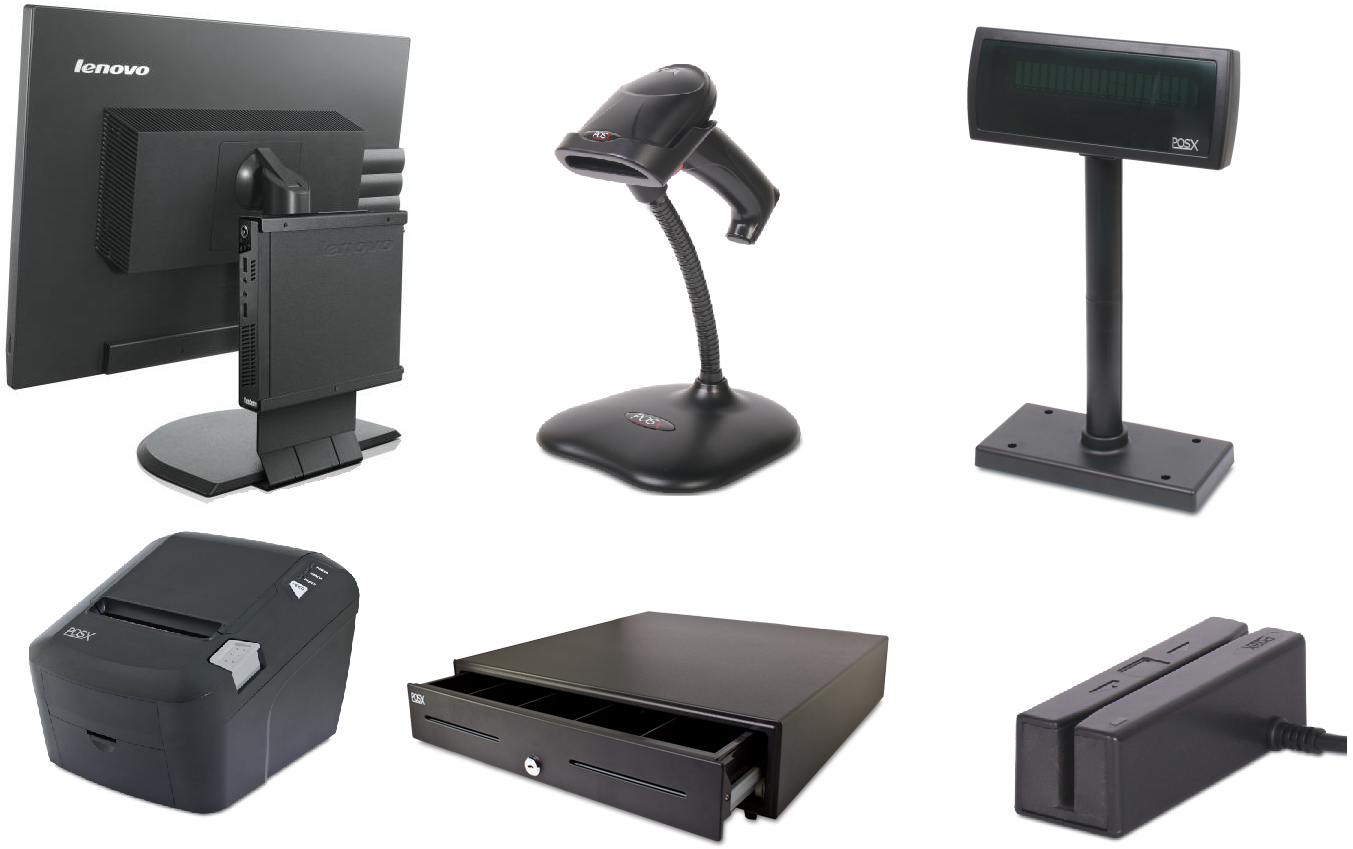
Investing in POS peripherals is a critical step for any retail or hospitality business looking to enhance its point-of-sale system. These devices, which include barcode scanners, receipt printers, payment terminals, and cash drawers, extend the functionality of POS software, streamline transactions, and improve operational efficiency. However, purchasing the right peripherals requires careful consideration of cost factors to ensure long-term value and performance.
Understanding the Importance of Cost Evaluation
While it may be tempting to choose POS peripherals based solely on initial price, a comprehensive evaluation should take into account factors such as durability, compatibility, and maintenance costs. High-quality peripherals may require a higher upfront investment but often provide better longevity and fewer operational issues.
Working with professional POS Peripherals providers allows businesses to select devices that not only fit their budget but also integrate seamlessly with their existing POS software. This approach ensures that the system operates efficiently, reduces downtime, and provides a positive return on investment over time.
Initial Purchase Cost
The first factor to consider when purchasing POS peripherals is the initial cost of the hardware. Prices vary depending on the type of peripheral, brand, and features. For example, a basic barcode scanner is generally less expensive than a high-end model with wireless connectivity and multi-format scanning capabilities.
Similarly, receipt printers can range from simple thermal models to advanced printers capable of printing receipts, promotional messages, and QR codes. Evaluating the upfront cost in relation to the functionality required is essential to ensure that the investment aligns with business needs.
Compatibility with POS Software
Ensuring that peripherals are compatible with existing POS software is another critical factor. Devices that are not fully compatible may require additional drivers, adapters, or customization, increasing both cost and complexity.
Integrated peripherals streamline operations by automatically transmitting data to the POS system. Incompatibility, on the other hand, can lead to transaction errors, delays, and additional technical support expenses. Choosing peripherals that are designed to work seamlessly with your POS software minimizes these risks and improves overall efficiency.
Maintenance and Support Costs
Maintenance is an ongoing consideration when evaluating the cost of POS peripherals. High-traffic environments can cause wear and tear on devices such as barcode scanners, cash drawers, and receipt printers. Reliable peripherals from reputable manufacturers often come with warranties, service agreements, and accessible technical support, which can reduce long-term maintenance expenses.
Considering the cost of consumables is also important. Receipt printers, for example, require paper and ink or thermal rolls, which contribute to ongoing operating costs. Factoring these recurring expenses into the initial budget ensures a more accurate assessment of total cost of ownership.
Durability and Longevity
The durability of POS peripherals directly affects long-term costs. Devices built with robust materials and designed for heavy usage are less likely to fail, reducing replacement frequency and downtime. Investing in durable peripherals may seem expensive initially, but it can lead to substantial savings over time by avoiding frequent repairs or replacements.
For high-volume businesses, selecting industrial-grade peripherals is particularly important. These devices are engineered to withstand repeated use and harsh retail environments, ensuring consistent performance and reliability.
Scalability and Upgrade Potential
Businesses that plan to grow should consider the scalability and upgrade potential of POS peripherals. Modular or easily upgradable devices allow for expansion as transaction volume increases or operational needs change.
Peripherals that support firmware updates or can integrate with new technologies help future-proof the POS system, reducing the need for frequent replacements. While scalable options may carry higher initial costs, they offer long-term flexibility and cost efficiency.
Additional Features and Technology
Advanced features such as wireless connectivity, touchscreen interfaces, biometric authentication, or multi-function capabilities can enhance the efficiency and security of a POS system. However, these features often come at a premium.
When considering cost, businesses should evaluate whether these features are necessary for daily operations or if they provide a strategic advantage, such as faster transactions, enhanced customer experience, or improved reporting. Balancing feature requirements with budget constraints is key to achieving value for money.
Conclusion
Purchasing POS peripherals requires careful consideration of multiple cost factors, including initial hardware price, compatibility, maintenance, durability, scalability, and additional features. By evaluating both upfront and long-term expenses, businesses can select peripherals that provide optimal performance, reduce operational challenges, and offer a strong return on investment.
Investing in high-quality, compatible POS Peripherals ensures accurate, efficient, and reliable point-of-sale operations, supporting overall business growth and customer satisfaction. Taking a strategic approach to peripheral selection allows retailers and hospitality providers to maximize efficiency, minimize costs, and stay ahead in an increasingly competitive market.
