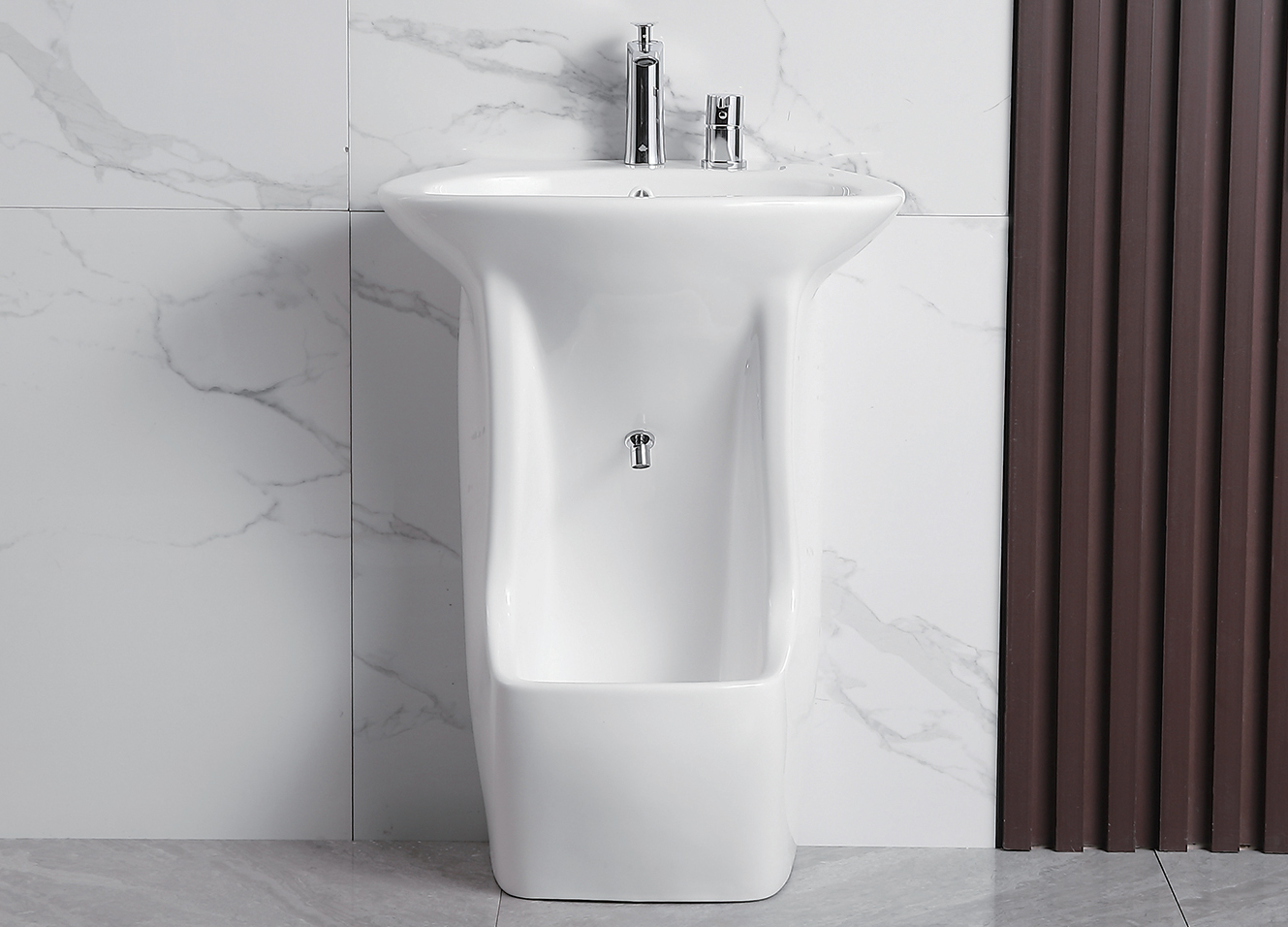
Choosing the right type of foot wash sink is essential for maximizing both functionality and space utilization. Whether for residential bathrooms, prayer areas, gyms, or healthcare facilities, the installation style can significantly impact accessibility, maintenance, and overall convenience. The two primary options available are wall-mounted and floor-mounted foot wash sinks, each offering unique advantages and considerations.
Selecting a high-quality foot wash sink is the first step, but deciding on the mounting type ensures that the fixture meets the specific needs of your space. Wall-mounted units are fixed to the wall, freeing up floor space, while floor-mounted options rest on the ground, offering stability and often a more traditional appearance. Understanding the differences between these two styles can help homeowners and facility managers make an informed decision.
Space Efficiency and Design Flexibility
Wall-mounted foot wash sinks are particularly advantageous in areas where space is limited. By elevating the basin off the floor, these units create a more open area underneath, allowing for easier cleaning and a less cluttered look. They are ideal for narrow hallways, compact bathrooms, and facilities that need to maximize floor space for movement or other fixtures. Additionally, wall-mounted models can be installed at customized heights to accommodate children, adults, or users with mobility challenges, offering design flexibility.
In contrast, floor-mounted sinks typically require more room but provide a solid, anchored presence. They can be easier to install in spaces where wall support may be limited or where plumbing configurations favor a ground-level connection. Floor-mounted options often complement traditional or classic interior designs, offering a stable and robust appearance that blends well with existing décor.
Installation and Plumbing Considerations
The choice between wall-mounted and floor-mounted sinks also affects installation complexity and plumbing. Wall-mounted units require secure wall support and precise mounting brackets, which may involve additional labor and reinforcement in some settings. Plumbing lines need to be concealed within the wall, ensuring that water supply and drainage are properly aligned without compromising aesthetics.
Floor-mounted sinks, on the other hand, have plumbing routed through the floor, which can simplify installation in certain cases. These units typically require less structural reinforcement and may be easier to relocate if needed. However, they can be more challenging to clean around and underneath, especially in compact spaces, which may require additional maintenance considerations.
Maintenance and Hygiene
Hygiene and ease of cleaning are essential when evaluating foot wash sink options. Wall-mounted sinks allow access beneath the basin, making it simpler to mop floors and maintain a sanitary environment. Reduced contact with the floor minimizes the risk of water damage, mold, or bacterial growth around the base.
Floor-mounted sinks provide stability and durability but may require extra attention to ensure that water does not accumulate around the base. Choosing materials that are resistant to stains, scratches, and moisture can help mitigate maintenance concerns. Both styles benefit from proper drainage systems to prevent standing water and maintain hygiene.
Accessibility and User Comfort
User comfort is another important factor. Wall-mounted sinks offer adjustable heights, which can be tailored to the needs of children, adults, or individuals with limited mobility. This makes them an excellent choice for inclusive spaces that accommodate a wide range of users. Floor-mounted options, while fixed in height, provide a sturdy and familiar setup that some users may prefer, particularly in public facilities where durability is a priority.
Aesthetic and Design Considerations
The visual impact of the sink also plays a role in decision-making. Wall-mounted sinks create a modern, minimalistic look by appearing to “float” off the floor, which can enhance the perception of space. Floor-mounted sinks often convey a traditional, robust style and can complement existing décor, especially in larger bathrooms or spacious facilities.
Conclusion
Selecting between wall-mounted and floor-mounted foot wash sinks depends on space availability, installation requirements, maintenance needs, and user preferences. Wall-mounted options excel in small areas, offering flexibility, modern aesthetics, and easy cleaning, while floor-mounted sinks provide stability, traditional design appeal, and straightforward installation in certain settings. By carefully evaluating these factors, homeowners and facility managers can choose a foot wash sink that delivers both practicality and style, ensuring a comfortable and hygienic washing experience for all users.
