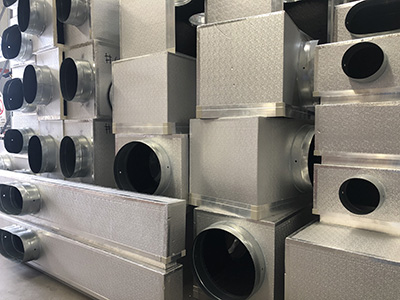
Insulation duct board has become an essential material in modern HVAC systems due to its thermal, acoustic, and moisture-resistant properties. Combining structural support with integrated insulation, it allows for efficient air distribution while minimizing energy loss and improving indoor air quality. Its versatility makes it suitable for a wide range of applications in residential, commercial, and industrial settings, providing a practical solution for modern building requirements.
Insulation duct board is typically manufactured from materials like fiberglass or mineral wool, which offer excellent thermal resistance and sound absorption. Its integrated design eliminates the need for separate insulation installation, reducing labor costs and simplifying construction. By using insulation duct board, contractors and facility managers benefit from consistent performance, energy efficiency, and reduced maintenance needs. The material’s properties make it ideal for applications where temperature control, noise reduction, and moisture management are critical.
Commercial Buildings
Commercial buildings, including offices, shopping centers, hotels, and hospitals, require HVAC systems that provide consistent indoor comfort and maintain energy efficiency. Insulation duct board is widely used in these applications because it ensures uniform insulation throughout the ductwork, reducing heat loss or gain and maintaining consistent air temperature.
Its acoustic properties are particularly valuable in offices and public spaces, where reducing noise from air movement and fans improves occupant comfort. In hospitals and healthcare facilities, insulation duct board also supports indoor air quality by minimizing the risk of condensation and mold growth, which is critical for patient safety.
Residential Applications
In residential construction, insulation duct board is commonly used in multi-family buildings, condominiums, and high-end homes. Its lightweight design and ease of installation make it ideal for contractors who need to work within limited ceiling or wall spaces.
The material provides effective thermal insulation, keeping heating and cooling systems efficient while reducing energy costs. Homeowners benefit from quieter HVAC operation due to the sound-absorbing properties of duct board, and the moisture-resistant design helps prevent condensation-related problems, ensuring a healthier living environment.
Industrial Facilities
Industrial applications often involve large HVAC systems that handle high air volumes and require durable ductwork. Insulation duct board is suitable for warehouses, manufacturing plants, and processing facilities because it provides consistent thermal performance and moisture control.
The board’s resistance to mold and corrosion makes it ideal for environments where temperature and humidity control are essential for operational efficiency. Additionally, its lightweight nature allows for easier handling and installation in large-scale industrial settings, reducing labor costs and installation time.
Educational Institutions
Schools, colleges, and universities rely on HVAC systems to maintain comfortable learning environments across classrooms, lecture halls, laboratories, and dormitories. Insulation duct board offers several advantages in these settings, including energy efficiency, reduced noise, and ease of installation.
Sound absorption is particularly important in educational spaces, as it minimizes HVAC noise that can disrupt classrooms or study areas. The consistent insulation provided by duct board ensures that temperature remains uniform throughout the building, creating a comfortable environment for students and staff alike.
Specialized Applications
Certain specialized environments, such as laboratories, cleanrooms, and data centers, have strict requirements for air quality, temperature, and humidity control. Insulation duct board is well-suited for these applications due to its integrated insulation and moisture-resistant properties.
In laboratories and cleanrooms, the material helps maintain stable airflow and prevents contamination caused by condensation or mold growth. In data centers, insulation duct board supports efficient cooling systems, protecting sensitive electronic equipment from temperature fluctuations.
Retrofit and Renovation Projects
Insulation duct board is also commonly used in retrofit or renovation projects. Older buildings may have inefficient or damaged duct systems, and replacing them with pre-insulated duct board can significantly improve energy efficiency and indoor air quality.
The modular design and lightweight nature of duct board make it easier to install in existing structures without extensive demolition or structural modifications. This makes it a practical and cost-effective solution for upgrading HVAC systems in both commercial and residential settings.
Conclusion
Insulation duct board has a wide range of applications across commercial, residential, industrial, educational, and specialized environments. Its integrated insulation, moisture resistance, sound absorption, and ease of installation make it a versatile and reliable choice for modern HVAC systems.
By using insulation duct board, contractors and building owners can achieve improved energy efficiency, consistent indoor temperatures, reduced noise, and long-term durability. Its adaptability to new construction, retrofits, and specialized projects ensures that insulation duct board remains an essential component in efficient and sustainable HVAC design.
