Introduction to Cloud-Based POS Technology
Cloud-based point-of-sale systems have transformed how businesses manage transactions, inventory, and customer data. Unlike traditional on-premise systems, cloud POS solutions operate through internet-based servers, allowing real-time data access from virtually anywhere. Modern businesses increasingly prefer cloud POS technology due to its flexibility, scalability, and cost efficiency.
Cloud POS services eliminate the need for complex local server infrastructure. Instead, data is securely stored in remote data centers managed by service providers. This shift reduces hardware dependency and enables centralized control over multiple business locations.
Retailers, restaurants, and service providers benefit from automated updates, enhanced security, and remote management capabilities. Partnering with a professional POS System Supplier ensures access to reliable cloud infrastructure and technical expertise. The POS System Supplier offers comprehensive cloud POS services designed to support business growth, operational efficiency, and data security.
Understanding the core services offered by modern suppliers helps businesses make informed decisions when adopting cloud POS systems.
Remote Data Access and Centralized Management
One of the primary advantages of cloud POS services is remote accessibility. Business owners and managers can monitor sales performance, inventory levels, and employee activity from any device connected to the internet.
Centralized management allows multi-location businesses to oversee operations from a single dashboard. This feature improves decision-making by providing consolidated data analytics across all branches.
Real-time synchronization ensures that sales transactions, stock updates, and pricing changes are instantly reflected across the entire system. This reduces discrepancies and enhances operational transparency.
Cloud dashboards often include customizable reporting tools that allow businesses to generate performance summaries and financial insights.
Automatic Software Updates and Maintenance
Traditional POS systems often require manual updates and technical intervention. Cloud-based services eliminate this burden by delivering automatic software updates.
Suppliers manage system upgrades, security patches, and feature enhancements without disrupting daily operations. Automatic updates ensure that businesses always operate with the latest version of the software.
This model reduces maintenance costs and minimizes system downtime. It also ensures compliance with updated payment security standards and regulatory requirements.
Technical support teams monitor system performance to identify potential issues before they affect operations.
Enhanced Data Security and Backup Solutions
Data security is a top priority for cloud POS providers. Modern cloud services use encryption protocols to protect transaction data during transmission and storage.
Secure login authentication mechanisms prevent unauthorized access. Role-based access controls allow administrators to assign specific permissions to employees.
Cloud systems typically include automated data backup services. In the event of hardware failure or accidental data deletion, businesses can restore information quickly.
Disaster recovery solutions are integrated into cloud infrastructure to ensure business continuity during unexpected events.
Scalability for Growing Businesses
Cloud POS services offer scalable infrastructure that adapts to business expansion.
Companies can add new user accounts, integrate additional hardware devices, or open new store locations without significant system reconfiguration.
Subscription-based pricing models allow businesses to upgrade service plans based on transaction volume or operational complexity.
Scalability supports seasonal fluctuations in sales activity, making cloud systems ideal for both small startups and large enterprises.
Modular architecture enables the addition of advanced features such as loyalty programs, online ordering integration, and advanced analytics.
Integration with Third-Party Applications
Modern cloud POS platforms support integration with third-party applications.
Accounting software integration streamlines financial reporting. Inventory management systems can synchronize stock data automatically.
E-commerce platform integration allows businesses to manage both online and offline sales channels through a unified system.
Customer relationship management tools connect directly to POS data, enabling personalized marketing strategies.
API connectivity ensures seamless data exchange between various business systems.
Mobile POS and Contactless Payment Support
Cloud POS services often include mobile device compatibility.
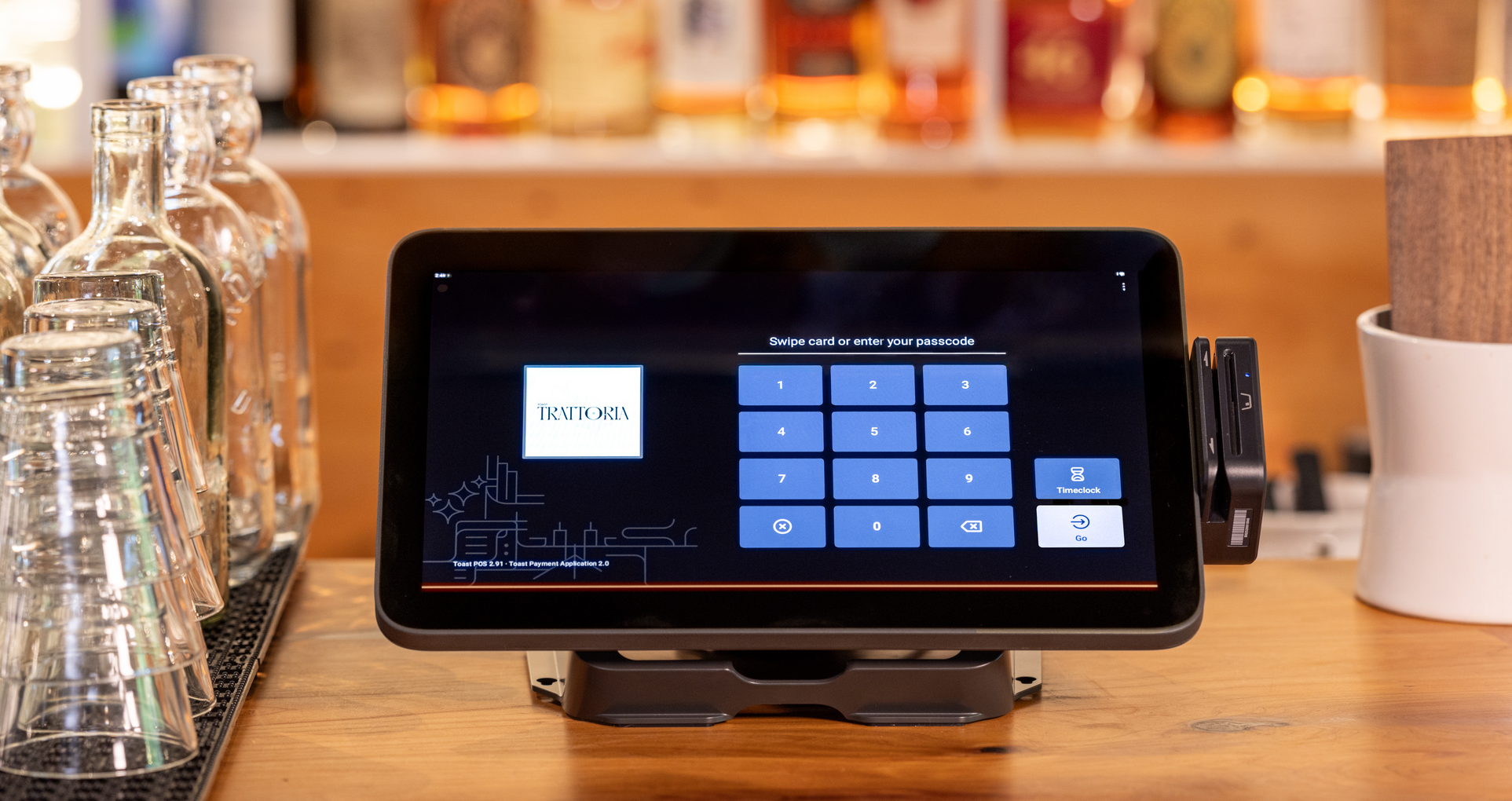
Tablet-based POS systems allow employees to process transactions anywhere within the store. This improves customer service efficiency and reduces waiting times.
Contactless payment integration supports digital wallets and NFC-enabled payment methods.
Mobile cloud access allows managers to review business performance metrics while traveling or working remotely.
Cost Efficiency and Subscription Flexibility
Cloud POS services are typically offered through subscription-based pricing models.
This approach reduces large upfront investment costs associated with traditional POS systems.
Businesses pay monthly or annual service fees based on usage and feature requirements.
Subscription plans often include technical support, updates, and data storage services.
Predictable pricing helps businesses manage budgets effectively.
Conclusion
Cloud POS services offered by modern POS system suppliers provide flexible, secure, and scalable solutions for today’s dynamic business environment. Remote data access, automatic updates, advanced security, and seamless integration capabilities make cloud POS platforms an attractive choice for businesses of all sizes.
By partnering with a reliable POS System Supplier, organizations gain access to professional cloud infrastructure, technical support, and ongoing system enhancements. As digital commerce continues to evolve, cloud POS services will remain essential in improving operational efficiency, enhancing customer experience, and supporting sustainable business growth.
