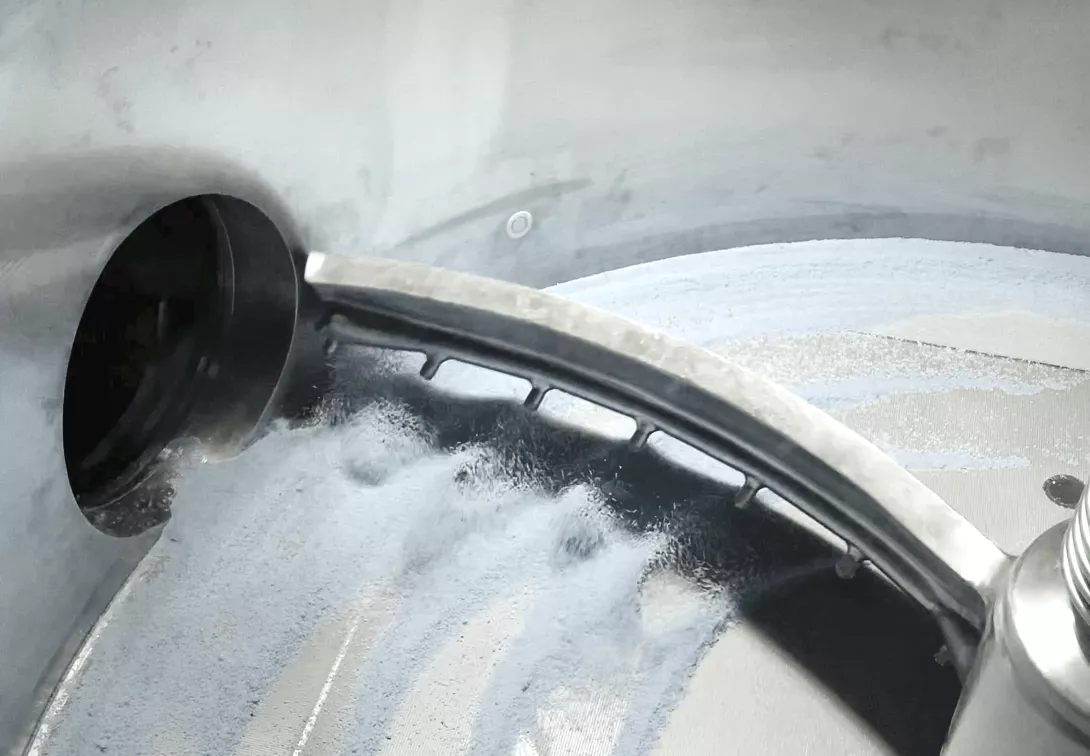
Agitated filters are widely used in chemical, pharmaceutical, food, and specialty manufacturing industries due to their ability to integrate filtration, washing, and drying in a single enclosed system. Their complexity and critical role in production make proper maintenance essential for ensuring operational efficiency, prolonging equipment lifespan, and maintaining product quality. Implementing best practices in maintenance not only prevents unexpected downtime but also enhances safety and regulatory compliance, making it a key consideration for any facility using these systems.
Routine care and preventive maintenance of an Agitated Filter begin with a thorough understanding of its major components, including the agitator, filter plates, vessel, seals, and drive mechanisms. Each of these elements requires attention to ensure the filter performs at optimal levels. The agitator is critical for preventing cake compaction during filtration and promoting uniform washing and drying. Bearings, gears, and motor assemblies must be inspected regularly and lubricated according to the manufacturer’s recommendations to avoid mechanical failure. Similarly, filter plates and the vessel must be free of damage, corrosion, or blockages to maintain consistent filtration efficiency.
Preventive Maintenance Schedule
A structured preventive maintenance schedule is essential for minimizing equipment failures and extending service life. Regular inspections should cover mechanical, electrical, and process-critical components. Mechanical checks include verifying the integrity of the agitator, ensuring that bearings and seals are in good condition, and confirming that the drive system operates smoothly. Electrical inspections involve testing sensors, control systems, and automation components to ensure proper functionality. Preventive maintenance should also include calibration of instrumentation such as temperature controllers, pressure gauges, and vacuum sensors to maintain accurate readings during operation. Following a preventive schedule helps identify potential issues before they impact production, reducing costly downtime and repair expenses.
Cleaning and Hygiene Best Practices
Maintaining cleanliness in agitated filters is crucial, especially in industries such as pharmaceuticals and food processing where contamination risks are high. Most modern filters support Clean-in-Place (CIP) and Steam-in-Place (SIP) procedures, which allow thorough cleaning without disassembling the system. CIP involves circulating cleaning solutions through the vessel, agitator, and piping to remove residual solids and contaminants, while SIP uses steam to sterilize surfaces and eliminate microbial presence. For products requiring high levels of hygiene, adherence to these cleaning protocols ensures compliance with regulatory standards and prevents cross-contamination between batches.
Manual Disassembly and Inspection
While CIP and SIP systems handle routine cleaning effectively, occasional manual cleaning may be necessary for heavily fouled systems or when switching between product types. Before manual disassembly, the filter should be depressurized and purged safely to avoid exposure to hazardous materials. Components such as agitator blades, filter plates, and vessel walls should be inspected for wear, cracks, or corrosion during cleaning. After cleaning, all parts must be carefully reassembled, with seals and gaskets replaced as necessary to ensure proper functionality and leak-free operation. Manual inspection also provides an opportunity to identify early signs of mechanical wear or material degradation that might not be apparent during routine automated cleaning.
Lubrication and Moving Parts Maintenance
The agitator and drive mechanisms are the most critical moving components in an agitated filter. Regular lubrication according to the manufacturer’s guidelines is essential to prevent overheating, friction, and premature wear. Bearings, gearboxes, and seals should be checked for signs of deterioration, as any failure in these components can reduce filtration efficiency or cause mechanical damage. Using the correct lubricants and monitoring for contamination ensures smooth operation and prolongs equipment life.
Monitoring Wear and Corrosion
Agitated filters are exposed to a variety of materials, some of which can be abrasive, corrosive, or chemically reactive. Regular monitoring for signs of erosion, pitting, or corrosion on the vessel, agitator, and filter media is crucial. Selecting appropriate construction materials, such as stainless steel, Hastelloy, or coated alloys, can help reduce these risks. Timely replacement of worn or corroded parts prevents leaks, maintains vacuum integrity, and ensures efficient filtration and drying performance.
Documentation and Record-Keeping
Maintaining accurate records of all maintenance activities is a best practice that supports regulatory compliance, quality assurance, and operational efficiency. Documentation should include inspections, repairs, part replacements, calibration records, and cleaning procedures. This information provides traceability, helps identify recurring issues, and guides future maintenance planning. Consistent record-keeping ensures that maintenance procedures are repeatable and verifiable, which is particularly important in highly regulated industries like pharmaceuticals.
In conclusion, adopting maintenance best practices for agitated filters is essential for reliable operation, safety, and product quality. Preventive maintenance, regular cleaning, proper lubrication, wear monitoring, and detailed record-keeping all contribute to optimal performance and extended equipment life. By following these guidelines, manufacturers can reduce downtime, enhance process efficiency, and ensure that their agitated filters continue to meet the demanding requirements of modern industrial applications.
