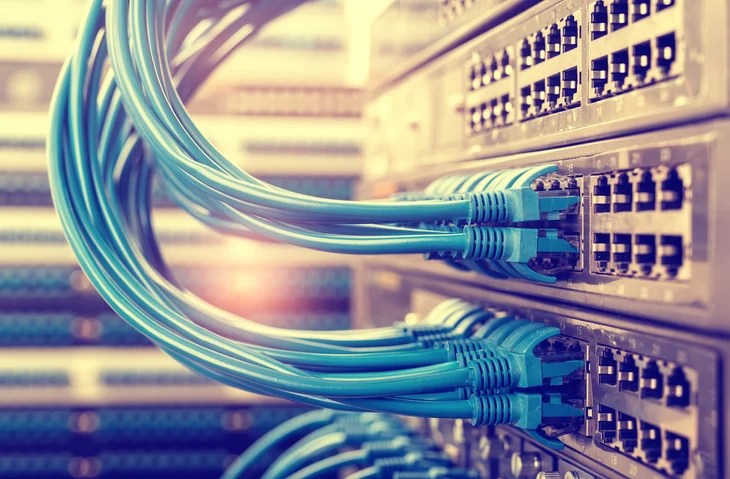
Modern industrial automation and communication systems depend on fast, reliable, and accurate data exchange between devices. Whether in manufacturing plants, building automation systems, or energy facilities, seamless communication is essential for efficient operations. Bus Cables are specifically designed to transmit data and control signals between multiple devices connected to the same communication network. Their ability to provide stable communication, reduce wiring complexity, and support real-time data transmission makes them a vital component in today’s industrial and commercial applications.
What Are Bus Cables?
Bus Cables are specialized communication cables used to connect multiple devices within a single network or bus system. Instead of requiring individual cables between every device, a bus cable allows numerous components to communicate over one shared communication line.
These cables are commonly used in industrial control systems, fieldbus networks, automation equipment, and building management systems where reliable data communication is essential.
Bus cables are engineered to support specific communication protocols while maintaining signal quality and minimizing interference.
How Do Bus Cables Work?
Bus cables serve as the communication pathway that links controllers, sensors, actuators, drives, and other network devices. Information is transmitted over the shared cable, allowing connected equipment to exchange commands, status updates, and operational data efficiently.
Because all devices communicate through the same network, bus cables significantly simplify wiring while improving communication efficiency.
This architecture reduces installation complexity and makes system expansion much easier.
Key Features of Bus Cables
Bus cables are designed to meet the demanding requirements of industrial communication systems.
Some of their key features include:
- High-quality signal transmission
- Resistance to electromagnetic interference
- Durable insulation materials
- Flexible installation options
- Reliable long-distance communication
- Support for industrial communication protocols
- Strong mechanical protection
- Long operational lifespan
These features ensure dependable performance in challenging environments.
Importance in Industrial Automation
Industrial automation relies on continuous communication between machines and control systems. Bus cables enable devices throughout the production process to exchange information quickly and accurately.
Typical automation applications include:
- Programmable Logic Controllers (PLCs)
- Industrial robots
- Conveyor systems
- Production machinery
- Process control equipment
- Motor control systems
Reliable communication improves production efficiency and reduces the risk of system failures.
Simplifies Network Wiring
One of the biggest advantages of bus cables is their ability to reduce wiring complexity. Traditional point-to-point wiring requires separate cables for every connected device, resulting in complicated installations.
Bus cable networks allow multiple devices to share one communication line, providing several benefits:
- Reduced cable quantity
- Easier installation
- Lower labor costs
- Improved cable management
- Cleaner control panels
Simplified wiring also makes future maintenance more efficient.
Supports Real-Time Communication
Many industrial processes require immediate communication between equipment. Bus cables are designed to support real-time data exchange, ensuring that control commands and status information are delivered without significant delays.
Real-time communication is particularly important for:
- Automated production lines
- Motion control systems
- Safety systems
- Process monitoring
- Equipment synchronization
Fast communication helps maintain consistent production quality.
Improves System Reliability
Reliable communication is critical in industrial operations where equipment failures can lead to costly downtime. High-quality bus cables provide stable signal transmission that reduces communication errors and improves overall system reliability.
Reliable bus cable performance helps minimize:
- Data transmission errors
- Communication interruptions
- Equipment malfunctions
- Production delays
Stable communication contributes to smoother and more efficient operations.
Reduces Electromagnetic Interference
Industrial environments contain many sources of electrical noise, including motors, transformers, and power cables. Bus cables are often designed with shielding and optimized construction to minimize the effects of electromagnetic interference (EMI).
This protection ensures:
- Clear data transmission
- Accurate communication
- Improved network stability
- Reliable equipment operation
Reducing interference is essential for maintaining communication accuracy in demanding environments.
Common Applications of Bus Cables
Bus cables are widely used across numerous industries because of their versatility and dependable performance.
Common applications include:
- Manufacturing plants
- Building automation systems
- Energy management systems
- Water treatment facilities
- Oil and gas operations
- Transportation systems
- Food processing plants
- Pharmaceutical manufacturing
They support communication between a wide range of industrial devices and control systems.
Easy System Expansion
As businesses grow, automation systems often require additional equipment and communication devices. Bus cable networks are designed to accommodate future expansion without major modifications.
Adding new devices to an existing bus network is generally simpler than rewiring traditional point-to-point systems.
This flexibility helps businesses:
- Expand production capacity
- Upgrade automation systems
- Reduce installation costs
- Simplify future maintenance
Planning for future growth becomes much easier with a well-designed bus communication network.
Long-Term Cost Benefits
Although bus cable systems may require careful planning during installation, they often reduce long-term operating costs.
Their benefits include:
- Lower installation expenses
- Reduced maintenance
- Fewer communication failures
- Improved equipment efficiency
- Longer service life
The overall reduction in wiring, maintenance, and downtime makes bus cables a cost-effective solution for many industrial applications.
Conclusion
Bus Cables are an essential part of modern industrial communication systems, providing reliable data transmission between multiple devices on a shared network. Their ability to simplify wiring, support real-time communication, reduce electromagnetic interference, and improve system reliability makes them indispensable in industrial automation, manufacturing, building management, energy, and process control applications. By choosing high-quality bus cables, businesses can improve operational efficiency, reduce maintenance costs, support future expansion, and build dependable communication networks that meet the demands of today’s advanced industrial environments.
