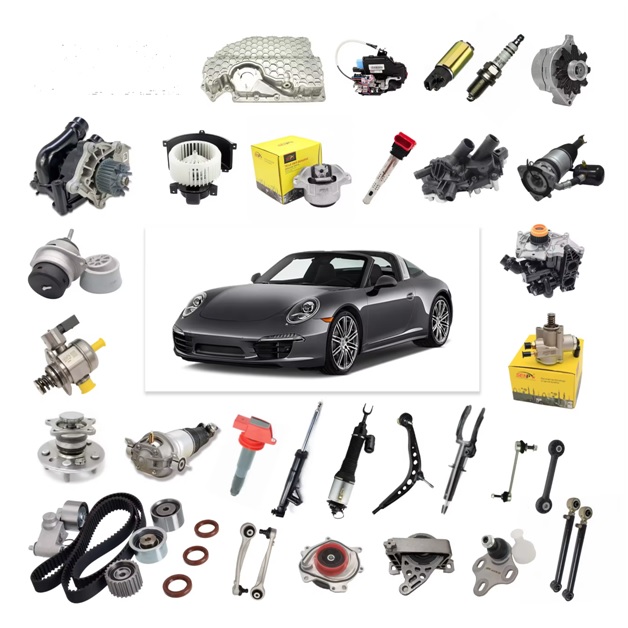
An Audi can feel effortless on the road until a damaged headlamp, loose bumper fitting, or worn cooling component interrupts the drive. Replacing that part is not simply about finding something that looks similar. The right component must suit the vehicle’s model, year, trim, and equipment.
Choosing Audi spare parts carefully helps protect fit, function, and the driving experience owners value. A little attention before ordering can prevent installation delays, avoidable returns, and problems caused by mismatched specifications over time.
Understanding Audi Component Compatibility In Greater Detail
A replacement part may look correct online but still differ in shape, connections, or features. Compatibility starts with precise vehicle information.
1. Identify The Exact Vehicle Specification
Start with the model, production year, body style, and trim.
- An A4 and an A4 S line, for example, may use different exterior details.
- Facelift updates can also change bumper shapes, grille mounts, or lighting units.
- Record the vehicle identification number (VIN) and compare it with the part catalogue or supplier guidance.
These details narrow the search and reduce the risk of ordering a component that cannot be installed correctly.
2. Match Part Numbers And Equipment
Part numbers offer a more reliable reference than appearance alone.
- Compare the number on the old component with the replacement listing, while confirming any superseding number with a knowledgeable supplier.
- For electronic or sensor-equipped parts, note features such as parking sensors, cameras, adaptive lighting, and driver-assistance systems.
A bumper with the wrong sensor openings may require extra work, even if its overall shape appears identical.
Choosing Replacement Components Without Compromising Fit
Owners can encounter original equipment, equivalent aftermarket, and styling options. Each serves a different purpose, so compare specifications before deciding. Before comparing alternatives, owners should treat Audi spare parts as model-specific components, not universal replacements, and verify each listing against the vehicle’s configuration.
1. Understand OEM And Aftermarket Differences
Original equipment parts are produced to the vehicle maker’s specifications, while aftermarket components are made by independent manufacturers.
- A reputable aftermarket option can offer value, but quality and fitment vary by product and manufacturer.
- Check the stated application, brand, material, finish, and warranty terms.
Avoid assuming that every aftermarket part is equivalent simply because a listing mentions the same Audi model.
2. Consider The Function Before The Finish
A glossy grille or sporty body kit may attract attention, but appearance should not outweigh fit and function.
- For lighting, confirm the correct side, lamp technology, connectors, and market specification.
- For cooling components, verify dimensions and mounting points.
- For exterior panels, check material and finish.
The replacement should suit the vehicle’s intended use and retain the features required for safe, dependable operation.
Keeping Lighting And Bodywork Aligned With Factory Design
Exterior components shape both appearance and everyday usability. Accurate matching helps preserve clean panel lines and the intended operation of fitted equipment.
1. Check Bumpers, Grilles, And Panels Carefully
Bumpers, radiator grilles, fenders, bonnets, and mouldings are not universal across model generations.
- Compare mounting points, contours, trim levels, and cut-outs for sensors or washers.
- A small mismatch can create uneven panel gaps or complicate installation.
- Review product photographs alongside the vehicle’s existing part before purchase.
Confirm the listed model-year range rather than relying on a broad model name.
2. Give Lighting Components Extra Attention
Headlamps, tail lamps, fog lamps, and mirror indicators may differ between standard and premium trims.
- Check left or right placement, LED or other lamp type, connector layout, and any control modules required.
- A visually similar lamp may not communicate correctly with the vehicle.
Confirming these details beforehand helps avoid warning lights, installation complications, and a disappointing result after the replacement is fitted.
Making A More Informed Purchase Through Trusted Suppliers
A supplier should make product details understandable and help buyers resolve questions before an order is placed.
1. Review Listings And Ask Specific Questions
Look for listings that identify the Audi model, year range, component position, brand, origin, and part number where available.
- If a detail is missing, ask before purchasing.
- Share the VIN or original part number when appropriate, and request confirmation in writing.
Clear product information makes comparison easier and gives both buyer and supplier a shared reference if fitment questions arise later.
2. Consider Availability, Delivery, And Returns
A suitable component is only useful when it can reach the workshop or owner in time.
- Review processing estimates, delivery coverage, shipping charges, and the seller’s policy for incorrect or damaged items.
- Keep order confirmations and packaging until fitment is complete.
- If buying internationally, account for possible customs duties and taxes.
Planning these details helps avoid surprises after payment.
Maintaining Long-Term Confidence With The Right Parts Choice
A careful purchase supports more than a quick repair. It helps preserve the vehicle’s appearance, usability, and value over time. Save invoices, part numbers, product details, and installation records to identify components during future repairs and make it easier to order the same specification again. These documents can also support conversations with technicians or prospective buyers. A simple digital folder organised by vehicle and date keeps the information accessible.
Some body components are straightforward to install, while lighting, cooling, or sensor-equipped parts may require specialist tools and calibration. Ask a qualified technician to assess the work before installation, follow manufacturer guidance, and avoid forcing a component that does not align. Proper fitting helps ensure replacement parts perform as intended and connected vehicle systems continue to operate correctly.
Conclusion: Finding Audi Parts With Greater Confidence
Maintaining an Audi’s original character requires replacement components that match its engineering, appearance, and equipment specifications. Whether addressing exterior damage, replacing worn lighting, or sourcing cooling-system components, buyers should prioritise accurate fitment and dependable product information. Selecting the right part helps avoid unnecessary modifications, repeated purchases, and installation complications.
For drivers looking for an Audi spare parts shop in Dubai, Beta Auto Parts brings together a selection of Audi replacement components, including bumpers, grilles, headlamps, tail lamps, cooling parts, and other exterior fittings. Their range helps owners source components for different repair and replacement requirements, while product references and vehicle application details support more informed selection. With domestic and international shipping options, they also make sourcing parts more convenient. Share your vehicle details, discuss the required component, and choose a suitable replacement to keep your Audi looking right and performing as intended.
