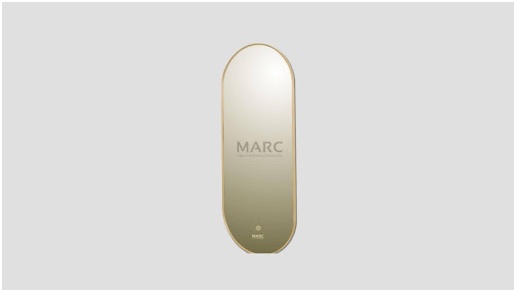
Mirrors are among the most important elements in a professional salon because they combine everyday functionality with visual impact. Their placement can influence styling efficiency, lighting, movement, and overall presentation.
For salon owners planning commercial interiors, salon wall mirrors can create a more organised, visually consistent environment. The right mirror selection should complement the furniture, available space, lighting arrangement, and service requirements while supporting a professional experience for both clients and stylists.
Functional Planning With Salon Wall Mirrors for Salons
A carefully selected mirror supports daily styling activities while contributing to an organised, professional salon environment.
1. Supporting Styling Precision
Mirrors provide professionals with a clear view while performing haircuts, styling, colouring, and grooming services. Properly positioned mirrors let stylists see different angles and assess finishing details more effectively. For business owners, choosing mirrors with appropriate dimensions and visibility can support smoother service delivery while maintaining a polished appearance throughout the styling area.
2. Improving Workspace Visibility
Good visibility is essential in professional salon environments. Mirrors positioned alongside suitable lighting can help reduce shadows and improve the stylist’s view of the client’s hair. This is especially valuable for detailed services where precision matters. A well-planned mirror arrangement can also help employees work more confidently without requiring frequent repositioning.
3. Creating Consistent Styling Stations
A series of coordinated mirrors can give multiple styling stations a unified appearance. Consistent size, shape, framing, and placement create a professionally planned environment. For commercial interiors, this can strengthen the salon’s visual identity while making the space feel more organised and intentional.
4. Making Better Use Of Available Space
Mirrors can visually expand an interior by reflecting light and surrounding areas. This can be useful for salons where efficient space utilisation is important. Proper placement can create a sense of openness without requiring additional floor area, helping businesses maintain a comfortable environment while accommodating essential furniture and equipment.
Visual Balance And Practicality With Mirrors
Mirror selection should consider both the interior’s visual language and the practical needs of daily salon operations.
1. Coordinating With Interior Finishes
Mirror frames and finishes should complement the surrounding furniture rather than appear disconnected from the interior. Consistent materials, tones, and design details can create a cohesive commercial environment. This approach helps businesses create a more refined look while keeping the mirror integrated into the overall design.
2. Maintaining Appropriate Proportions
A mirror’s dimensions should match the styling station and available wall space. An oversized mirror may dominate a compact station, while a small mirror may not provide sufficient visibility. Proportionate selection helps create balance and ensures the mirror performs its intended function without disrupting the layout.
3. Considering Lighting Placement
Lighting and mirrors should be planned together. Direct glare, harsh reflections, or poorly positioned fixtures can affect visibility and reduce visual comfort. Businesses can assess light direction, intensity, and placement before finalising the mirror arrangement to create a more functional, visually balanced styling area.
4. Allowing Room For Future Changes
Commercial interiors may evolve as businesses introduce new services, furniture, or layout adjustments. Flexible mirror arrangements can make future modifications easier. Salon owners should consider whether the selected dimensions and positioning will still work effectively if the styling area is reorganised later.
Decorative Character Through a Wall Decor Mirror
Decorative mirrors can significantly shape a professional salon’s identity and atmosphere when used thoughtfully. A wall decor mirror can do more than reflect light. Its shape, frame, finish, and placement can become part of the salon’s visual language, introducing sophistication, reinforcing a particular interior theme, or creating focal points within reception and styling areas.
However, decorative value should remain balanced with operational requirements. Mirrors in professional service areas must provide appropriate visibility and be positioned safely. Businesses should also consider how decorative elements interact with existing furniture, lighting, storage, and customer movement. In reception or waiting areas, decorative mirrors can add visual depth, while styling zones may benefit from more functional designs where daily performance and visibility remain the primary considerations.
Design Priorities For Professional Salon Interiors
An effective mirror strategy connects aesthetics with workflow, furniture planning, lighting, and long-term business requirements.
1. Aligning Mirrors With Furniture
Mirrors should be selected alongside styling stations and other furniture instead of being treated as an isolated purchase. Coordinated selection helps create consistent proportions, finishes, and spacing. This approach can make the complete interior appear more professionally designed while supporting efficient use of the available workspace.
2. Creating A Recognisable Identity
Interior design shapes how clients perceive a salon. Mirror styles can support the intended identity, whether the business seeks a contemporary, refined, minimalist, or distinctive appearance. Consistent design choices across different areas can make the environment more memorable and visually coherent.
3. Supporting Efficient Staff Movement
Mirror placement should allow stylists to move comfortably around chairs and workstations. Poorly planned positioning can create unnecessary obstacles or restrict access to equipment. Considering movement pathways during the design stage helps businesses create a layout that supports both employee efficiency and client comfort.
4. Selecting Durable Solutions
Commercial salon furniture sees regular use, so durability is an important purchasing consideration. Businesses should assess construction, finishes, maintenance requirements, and suitability for everyday operations. Choosing the right products can support long-term functionality while reducing the need for frequent replacement.
Conclusion
Mirrors play an important role in combining practical performance with visual appeal within modern salon interiors. From supporting styling precision and improving visibility to enhancing the perception of space, the right mirror can influence both daily operations and the overall client experience. Businesses should therefore evaluate dimensions, placement, lighting, maintenance, durability, and design compatibility before finalising their selections. A well-planned round mirror design can also add a softer visual element, complement contemporary salon interiors, and create a balanced appearance.
For commercial salon projects, MARC Salon Furniture provides professionally designed salon furniture solutions that help businesses create coordinated, functional interiors. Their range includes mirror solutions suited to professional salon environments, with customisation options available for selected requirements. By integrating mirror selection with styling furniture, layout planning, and overall interior direction, MARC Salon Furniture supports businesses seeking cohesive, purpose-driven salon spaces across India. A well-planned approach ensures that visual appeal works alongside operational efficiency and long-term commercial requirements.
