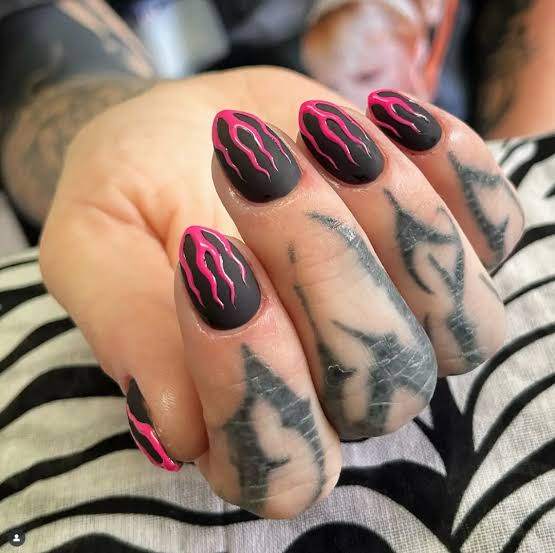
In the beauty industry, customers have more choices than ever. A new nail brand is not competing only on product quality or price; it is also competing for attention, recognition, and emotional connection. When shoppers see hundreds of similar bottles online or on store shelves, a strong brand identity can be the difference between being remembered and being overlooked.
A thoughtfully developed Custom Gel Polish collection gives beauty brands an opportunity to express who they are through color, formula, packaging, and product experience. Instead of simply placing a logo on an existing product, brands can build a collection that reflects their target audience and creates a recognizable identity across every customer touchpoint.
What Brand Identity Really Means
Brand identity is more than a logo or a particular color scheme.
It is the collection of visual and emotional elements that tell customers what your business represents. For a nail brand, identity can be communicated through product colors, bottle design, packaging, naming, photography, website presentation, social media content, and even the way products are described.
A strong identity answers questions such as:
- Who is this brand for?
- What does it stand for?
- What makes it different?
- What kind of experience should customers expect?
- Why should customers remember it?
Gel polish can contribute to each of these areas when it is developed with a clear strategy.
Create a Distinctive Color Language
Color is one of the strongest forms of visual communication in the beauty market.
A brand known for soft neutrals creates a different impression from one associated with neon shades or dramatic metallic finishes. This makes the color palette an important part of brand positioning.
For example, a sophisticated nail brand might focus on:
- Milky whites
- Soft pinks
- Warm beige
- Taupe
- Caramel
- Deep burgundy
A youthful fashion-focused brand might instead build its identity around:
- Vibrant pink
- Electric blue
- Bright orange
- Lime green
- Purple
- Reflective finishes
Neither approach is automatically better. The important factor is whether the colors match the intended audience and overall brand personality.
Build Collections With a Clear Theme
Individual shades can attract attention, but coordinated collections can tell a stronger brand story.
Instead of launching unrelated colors, consider developing collections around a specific concept.
Possible themes include:
- Seasonal fashion
- Minimalist beauty
- Nature
- Travel
- Evening glamour
- Wedding beauty
- Urban style
- Classic elegance
A collection with a recognizable theme can make marketing easier because each shade contributes to the same story.
Customers can also understand the brand more quickly when products appear intentionally connected.
Make Your Packaging Recognizable
Packaging is another major component of brand identity.
A customer should ideally be able to recognize your product even before reading the brand name.
Consistent use of:
- Bottle shapes
- Cap styles
- Typography
- Label placement
- Packaging materials
- Graphic elements
- Shade numbering
can create visual recognition over time.
This is particularly valuable when customers encounter your products on social media or in a salon rather than directly through your website.
Give Your Shades Memorable Names
Product naming is an often-overlooked branding opportunity.
A shade called “Pink 04” is functional, but a carefully chosen name can create more personality.
For example, a collection inspired by coastal landscapes might use names connected to beaches, sunsets, waves, or sea glass. A romantic collection might use names associated with flowers, celebrations, or evening moments.
The names should still be practical. A clear shade number alongside a memorable name can provide both personality and convenience.
Use Custom Products to Serve a Specific Audience
Strong brands rarely try to appeal to everyone.
A gel polish collection can be developed around the needs and preferences of a specific audience.
For example, a professional salon brand may prioritize:
- Reliable application
- Strong pigmentation
- Consistent results
- Practical shade selection
- Easy product identification
- Durable packaging
A consumer fashion brand may place more emphasis on:
- Trend colors
- Special effects
- Social-media appeal
- Creative packaging
- Seasonal releases
When products are designed around a clear audience, the brand naturally becomes more focused.
Connect Product Quality With Brand Promise
Brand identity is not only visual.
If a company presents itself as professional and premium, customers will expect the product to perform accordingly.
That means the formula needs to support the brand promise.
Important performance factors include:
- Smooth application
- Consistent viscosity
- Good pigmentation
- Appropriate curing
- Attractive finish
- Reliable wear
- Practical removal
If the packaging looks premium but the formula performs poorly, customers will notice the disconnect.
The strongest brands ensure that product experience matches their marketing message.
Create Consistency Across Your Collection
Imagine visiting a nail brand’s website and seeing ten products that look completely unrelated.
Even if every product is individually attractive, the overall brand may feel confusing.
Consistency creates recognition.
Your collection should have recurring elements that connect different products while still allowing individual shades to stand out.
This might include a consistent:
- Bottle shape
- Label format
- Logo position
- Color naming system
- Photography style
- Packaging structure
- Typography
As your catalog expands, these elements become increasingly valuable.
Use Limited Editions to Keep the Brand Fresh
A recognizable identity does not mean every product needs to look exactly the same forever.
Limited-edition collections can introduce new energy without changing the core brand.
For example, a brand might release a permanent collection of classic colors and then introduce seasonal collections throughout the year.
Limited editions can be built around:
- Holidays
- Fashion seasons
- Special events
- Collaborations
- Brand anniversaries
- Emerging color trends
This gives existing customers a reason to return while maintaining the visual foundation of the brand.
Let Social Media Reinforce Your Identity
Nail products are highly visual, making social media a natural marketing channel.
However, simply posting attractive nail photographs is not enough to create a recognizable presence.
Your visual content should consistently reflect the brand.
Consider maintaining a recognizable approach to:
- Backgrounds
- Photography
- Nail-art styling
- Product placement
- Typography
- Captions
- Color combinations
When customers repeatedly see the same visual language, they are more likely to associate it with your products.
Encourage User-Generated Content
Customers can become an important part of your brand identity.
Encourage nail artists and consumers to share their manicures using your products.
User-generated content can show how your colors look in real-world settings and provide potential customers with ideas for using them.
You can also feature different nail lengths, styles, and skin tones to give shoppers a broader understanding of the collection.
Authentic customer content can feel more relatable than highly polished advertising alone.
Build a Signature Shade
Some beauty brands become strongly associated with a particular color.
A signature shade can serve as a memorable entry point into your collection.
It could be a distinctive nude, a recognizable red, an unusual pastel, or a color that becomes closely connected with your brand.
The shade should fit the brand identity and offer something that customers can easily associate with your company.
Over time, a signature color can become a valuable branding asset.
Think About the Complete Customer Experience
Brand identity extends beyond the bottle.
Think about what happens when a customer:
- Sees your product online.
- Visits your website.
- Places an order.
- Receives the package.
- Opens the box.
- Applies the gel polish.
- Shares the manicure.
- Returns to purchase another shade.
Every stage creates an impression.
If the website feels premium but the shipping package looks careless, the experience becomes inconsistent. If the packaging is attractive but the product is difficult to apply, customers may not return.
A strong brand creates consistency throughout the entire journey.
Customization Can Help You Stand Apart
One advantage of developing your own collection is greater control over the product concept.
Rather than selecting entirely generic products, a brand may have more influence over:
- Color development
- Formula characteristics
- Bottle selection
- Cap design
- Label design
- Packaging
- Collection themes
- Product naming
This can make it easier to create something that feels connected to the brand rather than interchangeable with competing products.
Work With the Right Manufacturer
The manufacturing partner can have a major influence on how successfully your brand identity translates into physical products.
A capable manufacturer should be able to communicate clearly about product development, sampling, packaging, production, and quality control.
Before committing to a large order, ask about:
- Formula development
- Sample production
- Color matching
- Packaging options
- Minimum order quantities
- Quality-control procedures
- Production capacity
- Lead times
- Documentation
The goal is to establish a relationship that supports your brand as it grows.
Don’t Let Trends Define the Entire Brand
Following trends can help keep a collection relevant, but relying entirely on trends can make a brand difficult to recognize.
A better strategy is to combine current trends with your established identity.
For example, if your brand is known for understated colors, you might incorporate a current trend through a muted version rather than suddenly introducing a completely unrelated neon collection.
This approach allows the brand to evolve without losing its personality.
Quality Builds Brand Trust
Brand identity attracts customers, but quality helps retain them.
When customers repeatedly receive the same reliable experience, trust develops.
They know what to expect from your formula, packaging, color accuracy, and overall product quality.
That trust can lead to:
- Repeat purchases
- Positive reviews
- Professional recommendations
- Social sharing
- Customer loyalty
- Stronger word-of-mouth marketing
This is why brand identity and product quality should never be treated as separate priorities.
Measure What Customers Respond To
Once your collection is launched, pay attention to customer behavior.
Look at which shades sell most often, which products receive the best reviews, and which social posts generate the strongest engagement.
You can also monitor questions and comments for recurring patterns.
If customers consistently request certain colors or finishes, those insights can influence future collections.
Brand identity becomes stronger when product development responds to real customer behavior.
Avoid Common Branding Mistakes
Several mistakes can weaken an otherwise promising gel polish brand.
These include:
- Copying competitors too closely
- Changing packaging styles frequently
- Offering unrelated colors
- Ignoring product performance
- Using inconsistent photography
- Choosing confusing shade names
- Launching too many products at once
- Following every short-lived trend
- Making promises the product cannot deliver
Strong branding usually comes from clarity and consistency rather than constant reinvention.
Think Long Term
A successful gel polish brand should be able to grow beyond its first collection.
As customers become familiar with the brand, you may expand into additional colors, finishes, base products, top coats, nail-care products, or professional offerings.
A strong identity provides a foundation for these additions.
Customers should be able to recognize that a new product belongs to the same brand even if they have never seen that particular item before.
Final Thoughts
Custom gel polish can play a much larger role in brand building than simply providing color. It can communicate your company’s personality, attract a specific audience, reinforce your visual identity, and create a consistent experience across products and marketing channels.
The strongest approach begins with a clear understanding of who you want to serve. From there, develop a purposeful color palette, cohesive packaging, memorable product names, reliable formulas, and collections that tell a consistent story.
Most importantly, make sure the product experience supports the promise your brand makes. Attractive packaging may encourage the first purchase, but dependable quality, recognizable products, and customer satisfaction are what encourage people to come back.
When every element works together—from the shade inside the bottle to the way the package reaches the customer—your gel polish line becomes more than a collection of nail colors. It becomes a recognizable part of your brand.
