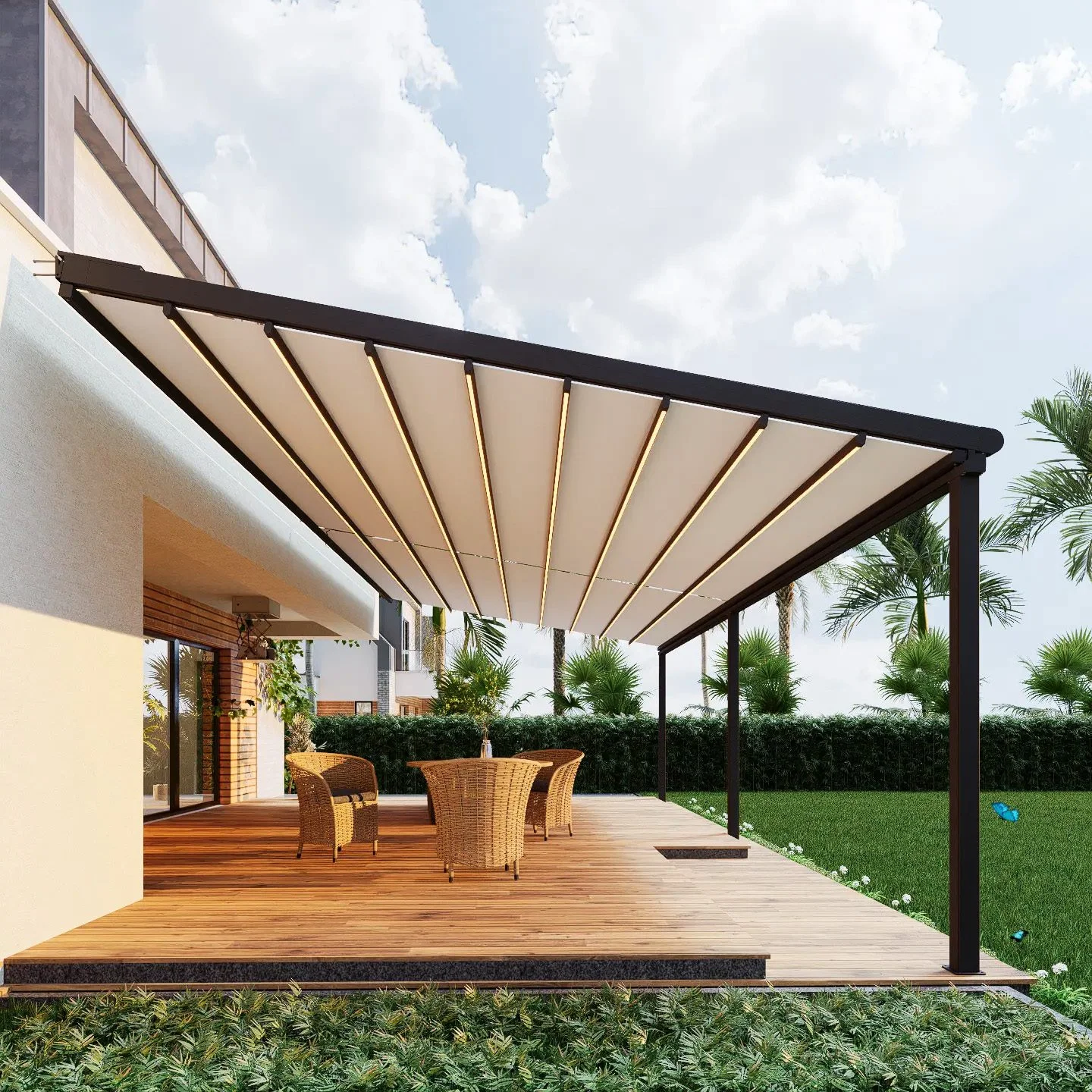
Choosing the right awning involves more than selecting a colour or size. Fabric quality, frame strength, controls, weather protection, fitting, and guarantees all affect performance. Knowing what to check before buying can help you select an awning that looks attractive, works smoothly, and provides reliable outdoor shelter.
Introduction
A waterproof retractable awning can make a patio, terrace, or outdoor seating area more useful throughout the year. However, not every awning provides the same level of protection, strength, or convenience. Before buying, consider how the fabric, frame, cassette, controls, drainage angle, and installation affect performance. A suitable system should provide rain shelter, sunlight protection, and easy operation.
Careful planning also ensures the awning suits the building and available space. It can prevent fitting problems, excessive maintenance, and disappointing performance later.
Check Whether the Fabric Is Fully Waterproof
The fabric is one of the most important parts of a retractable awning. Some materials are water-resistant rather than fully waterproof. Water-resistant fabric may handle light showers but struggle during longer periods of rain. Ask the supplier to confirm whether the canopy prevents water from passing through. The material should also withstand regular outdoor exposure. Look for protection against UV rays, fading, mold, mildew, and dirt. It is sensible to view fabric samples before deciding. Colours often look different in daylight compared with online photographs or printed brochures.
The chosen fabric should complement the building while offering the level of weather protection you need.
Consider the Angle and Rainwater Drainage
Waterproof fabric alone does not guarantee effective rain protection. The awning must also be fitted at a suitable angle. The correct pitch allows water to run towards the front edge. If the canopy is too flat, rainwater may collect and place pressure on the fabric and arms. The required angle depends on the installation height, projection, and position of nearby doors or windows. A professional survey helps identify these details. Good drainage also protects the shape of the canopy. Standing water may cause stretching, sagging, or unnecessary strain over time. The installer should explain how the chosen pitch will manage rainfall while maintaining comfortable headroom beneath the awning.
Examine the Frame and Folding Arms
The frame supports the fabric and controls how smoothly the awning opens and closes. Aluminium is often used because it is strong, lightweight, and suitable for outdoor conditions. The folding arms and joints should operate evenly. Weak components may struggle to maintain fabric tension and could affect drainage. The brackets and wall fixings are equally important. An extended awning places pressure on the building, especially during changing weather. The system must therefore be fixed securely to a suitable wall surface. The installer should select the correct brackets and fixings for the property.
Look for a Full Cassette Design
A full cassette encloses the fabric and operating mechanism when the awning is retracted. This protects the system from rain, dust, dirt, and outdoor exposure. Cassette protection may reduce cleaning and help the fabric retain its appearance. It also gives the awning a neat finish when closed. Ask how completely the cassette encloses the fabric and arms. Some designs provide more protection than others. The cassette should be suitable for the awning size and should complement the exterior of the property.
Choose the Right Size for the Space
Awning size should be based on the area that requires protection. It should not simply cover the maximum wall space available. The correct width and projection depend on how the area will be used. Sun direction, seating position, doors, windows, and required rain coverage should all be considered. A made-to-measure waterproof retractable awning can be produced for the exact dimensions of the property. This creates better coverage and a more balanced appearance. A site survey is essential before manufacturing begins. Accurate measurements help prevent fitting problems and ensure the awning does not block access. The survey should also consider gutters, exterior lighting, wall features, and available headroom.
Compare Manual and Motorised Controls
The operating method affects how easy the awning is to use. Manual controls may suit smaller systems or areas used only occasionally. Motorised controls are often more convenient for larger awnings. A remote control allows the canopy to extend or retract with little effort. Ask whether the motor includes a manual override for power failures. You should also check how the motor and controls are covered by the guarantee. The supplier should provide clear operating instructions after installation. The system should move smoothly and stop at the correct position.
Ask About Weather Sensors
Weather sensors can provide added convenience and protection. A wind sensor may automatically retract the awning when gusts become too strong. This can reduce the risk of damage to the fabric, arms, and wall fixings. Rain sensors may also be available with some systems. Sensors should support responsible use rather than replace it. The awning should still be retracted during storms, severe rain, or very strong winds.
Ask the supplier to explain the operating limits. Clear guidance will help you use the system safely in changing weather.
Consider Lighting and Heating Options
Integrated lighting can make the covered area more practical during the evening. LED lights can illuminate the space without requiring separate fittings around the awning. Infrared heating may also improve comfort during cooler periods. This can extend the time the outdoor area remains useful. Lighting and heating should be planned before installation. Wiring, power supply, positioning, and controls need to be considered during the survey. Adding these features at the design stage usually creates a cleaner finish. It also ensures they work properly with the main awning system.
Review the Installation Service
Professional fitting is essential for safety and reliable operation. The installer must assess the wall, select suitable fixings, and position the brackets correctly. The canopy angle must also be set carefully. Poor installation may cause uneven movement, weak support, or water pooling. Ask whether trained professionals will complete the installation. The quotation should explain whether surveying, delivery, fitting, and electrical work are included.
After installation, the awning should be tested and demonstrated. The installer should explain the controls, sensors, cleaning process, and safe retraction.
Understand the Guarantee and Aftercare
A clear guarantee provides reassurance, but you should understand what it covers. The fabric, frame, motor, controls, accessories, and fitting may have separate terms. Ask how long each part is protected. You should also confirm what happens if a fault develops. Some guarantees may require basic maintenance or correct use. Understanding these conditions can prevent problems if you need to make a claim. Aftercare is also important because moving parts may need adjustment over time. Reliable support can help extend the working life of the system.
Compare Complete Quotations
Price matters, but it should not be the only factor. A cheaper quotation may exclude fitting, cassette protection, sensors, controls, or aftercare. Compare quotations with similar specifications. Each one should clearly state the size, fabric, frame finish, operating method, accessories, and guarantee. A detailed quotation makes the true cost easier to understand. It also reduces the chance of unexpected charges appearing later. Focus on overall quality, support, and long-term value rather than choosing the lowest price automatically.
Conclusion
Choosing an awning requires careful attention to fabric, frame strength, drainage, sizing, controls, and installation. The canopy should be fully waterproof, suitable for outdoor exposure, and fitted at an angle that allows rainwater to drain. A strong aluminium frame, dependable folding arms, and full cassette protection can improve durability. Motorised controls, weather sensors, lighting, and heating may also add convenience. Professional surveying and installation are equally important. They affect safety, appearance, drainage, and long-term performance. Review the guarantee and aftercare service before placing an order. Compare complete specifications rather than focusing only on price. By asking the right questions, you can choose a waterproof retractable awning that provides reliable shelter, simple operation, and lasting value for your property.
