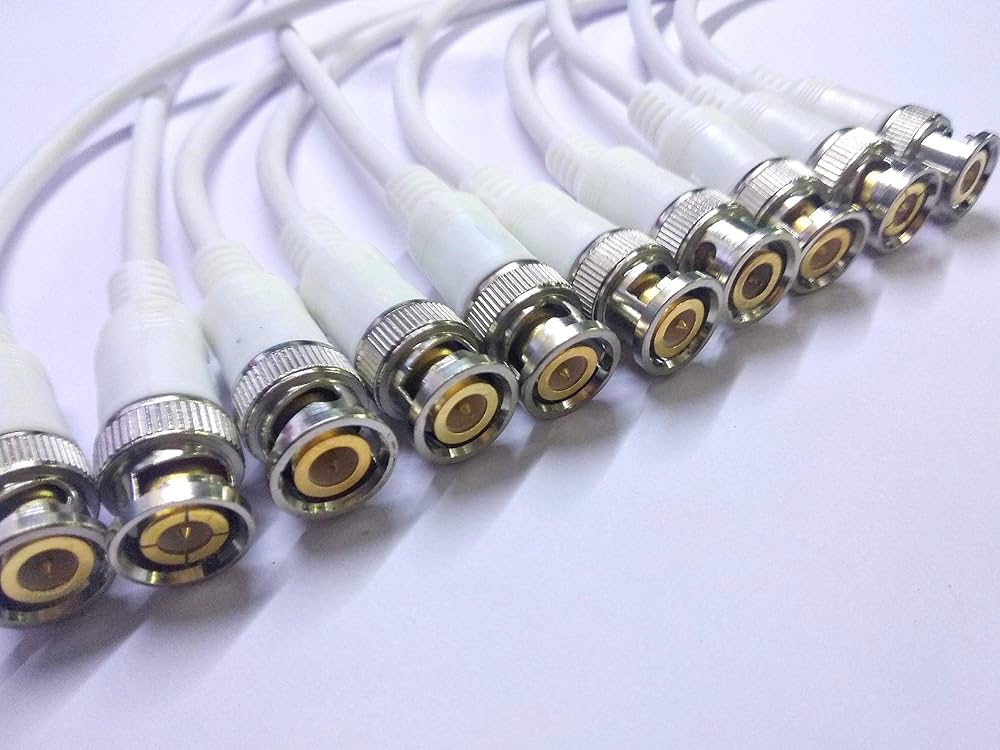
Outdoor surveillance systems face far more demanding conditions than indoor setups. Rain, humidity, dust, and temperature changes can all affect the performance of security equipment over time. While cameras are often designed with protective housings, the connection points are usually the most vulnerable part of the system.
This is why the design and selection of a durable camera cable connector is critical in outdoor environments. In many security installations, a properly sealed camera cable connector helps ensure uninterrupted video transmission and stable power delivery even in harsh weather conditions.
Why Waterproofing Matters in Outdoor CCTV Systems
Outdoor surveillance systems are continuously exposed to environmental stress. Without proper protection, moisture and dust can enter connection points and cause system failures.
Waterproof connectors help prevent:
- Corrosion of metal contact points
- Signal degradation due to moisture
- Electrical short circuits
- Intermittent camera performance
- Long-term hardware damage
Even a small amount of water intrusion can significantly affect system reliability.
How Waterproof Camera Cable Connectors Work
Waterproof connectors are designed with protective sealing features that block external elements from entering the connection area. These features ensure stable operation in outdoor environments.
Sealing Mechanisms
Most waterproof connectors use rubber gaskets or silicone seals that create a tight barrier around the cable entry point.
Protective Housing
Some connectors include external casings that shield the connection from direct exposure to rain and dust.
Tight Locking Systems
Secure locking mechanisms ensure that the connector remains firmly attached, preventing gaps where water could enter.
Key Features of Waterproof Camera Cable Connectors
Outdoor-rated connectors are designed with specific features to enhance durability and performance.
Weather Resistance
They are built to withstand:
- Heavy rain
- High humidity
- UV exposure
- Extreme temperatures
Corrosion Protection
Materials used in waterproof connectors are often treated or coated to resist rust and oxidation.
Dust Protection
Sealed designs prevent fine particles from entering the connection point, which helps maintain stable performance in dusty environments.
Long-Term Stability
Durable construction ensures consistent video and power transmission over extended periods.
Role in Video Transmission Stability
Waterproof connectors play a direct role in maintaining clear and uninterrupted video signals in outdoor surveillance systems.
Preventing Signal Disruption
Moisture or corrosion at connection points can weaken signals. Waterproof sealing helps maintain stable transmission quality.
Maintaining Image Clarity
Stable connections reduce noise, distortion, and flickering in video feeds.
Supporting Long Cable Runs
Outdoor installations often require long-distance wiring, making stable connectors even more important.
Importance in Power Delivery for Outdoor Cameras
Outdoor cameras require continuous power to function reliably. Any disruption in power supply can result in system downtime.
Waterproof camera cable connectors help by:
- Ensuring consistent electrical contact
- Preventing moisture-related power failures
- Reducing voltage instability
- Supporting 24/7 operation
Stable power connections are essential for uninterrupted surveillance.
Common Outdoor Installation Environments
Waterproof connectors are used in a wide range of outdoor surveillance applications.
Residential Outdoor Security
Used for monitoring gates, driveways, and building exteriors.
Commercial Properties
Shopping centers, parking lots, and office buildings rely on outdoor cameras for security coverage.
Industrial Facilities
Factories and warehouses require rugged connectors due to exposure to machinery and harsh environments.
Public Infrastructure
Streets, highways, and transport hubs use outdoor surveillance systems for public safety monitoring.
Installation Best Practices for Waterproof Connectors
Proper installation is essential to ensure waterproof performance remains effective.
Ensure Tight Sealing
All seals and locking mechanisms should be properly secured during installation.
Avoid Cable Stress
Cables should not be stretched or bent sharply near connector points, as this can weaken the seal.
Use Protective Conduits
Additional protection such as conduits or junction boxes can improve long-term durability.
Test After Installation
After setup, systems should be tested under operational conditions to ensure no leakage or signal issues.
Common Problems in Outdoor Connector Installations
Even waterproof systems can fail if not installed or maintained correctly.
Improper Sealing
Loose fittings can allow moisture to enter the connection area.
Physical Damage
Exposure to strong impact or pressure can compromise connector integrity.
Aging Materials
Over time, seals may degrade if not made from high-quality materials.
Poor Installation Practices
Incorrect installation is one of the most common causes of waterproof failure.
Benefits of Using Waterproof Camera Cable Connectors
High-quality waterproof connectors offer several advantages for outdoor surveillance systems.
Improved System Reliability
They help ensure continuous operation in all weather conditions.
Reduced Maintenance Costs
Durable connectors reduce the need for frequent repairs or replacements.
Better Video Stability
Stable connections maintain consistent image quality over time.
Longer Equipment Lifespan
Protecting connection points helps extend the life of cameras and system components.
Conclusion
Outdoor surveillance systems require durable and reliable components to perform effectively in challenging environments. Waterproof camera cable connectors play a vital role in protecting both video and power connections from environmental damage.
By using properly sealed connectors and following correct installation practices, users can ensure stable performance, improved durability, and long-term reliability in outdoor security applications.
