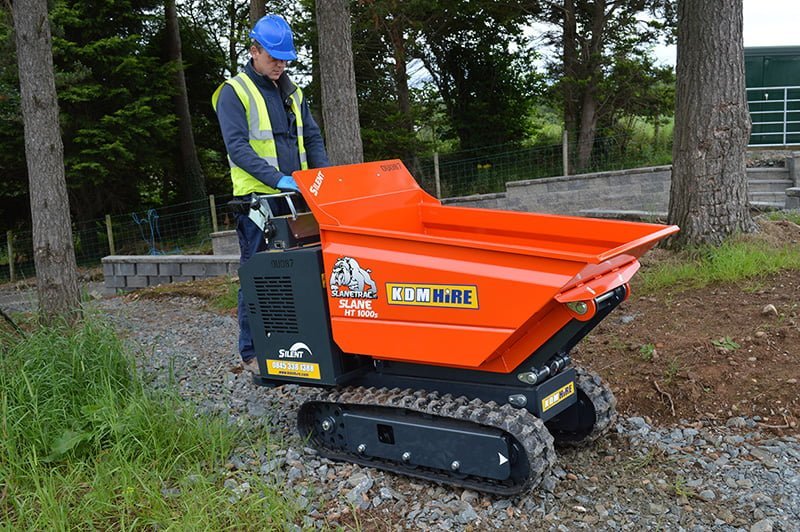
In the construction and landscaping industries, choosing the right equipment is essential for maintaining productivity, safety, and cost efficiency. Mini dumpers have become an important part of modern job sites because they can transport materials quickly in tight and uneven environments. For buyers, understanding how mini dumper manufacturers operate is key to making informed purchasing decisions.
A mini crawler dumper is especially valuable for projects that involve rough terrain, heavy materials, and limited space. Reliable mini dumper manufacturers play a central role in delivering machines that meet these demands while ensuring durability, efficiency, and long-term performance.
Why Manufacturer Selection Matters
The manufacturer behind a machine has a direct impact on its quality, reliability, and lifespan. Even two machines with similar specifications can perform very differently depending on how they are engineered and built.
When evaluating manufacturers, buyers should consider:
- Build quality and structural design
- Engine performance and efficiency
- Hydraulic system reliability
- Track or wheel durability
- Availability of spare parts and support
A strong manufacturer ensures consistent performance across all units, reducing long-term operational risks.
Understanding Product Quality and Build Standards
One of the most important factors for buyers is construction quality. High-quality manufacturers use durable materials and strict production processes to ensure machines can handle demanding work environments.
Key quality indicators include:
- Reinforced steel frames for heavy-duty use
- Precision welding and assembly techniques
- Corrosion-resistant coatings for outdoor durability
- Rigorous factory testing before delivery
Poor build quality often leads to breakdowns, higher maintenance costs, and reduced machine lifespan.
Evaluating Performance and Terrain Capability
Construction sites are rarely flat or predictable, so terrain adaptability is crucial. Mini crawler dumpers are specifically designed to perform well in challenging environments.
Reliable machines should offer:
- Strong traction on mud, gravel, and slopes
- Stable operation under full load
- Smooth movement in narrow spaces
- Resistance to sinking on soft ground
Crawler systems distribute weight evenly, improving stability and reducing ground pressure, which is especially important in landscaping and infrastructure projects.
Engine Power and Fuel Efficiency Considerations
Engine performance plays a major role in determining operational efficiency. Buyers should carefully compare power output, fuel consumption, and maintenance requirements.
Important considerations include:
- Diesel engines for heavy-duty and long-hour use
- Petrol engines for lighter, cost-sensitive tasks
- Fuel efficiency under different load conditions
- Engine durability and service intervals
Efficient engines help reduce operating costs while maintaining strong performance across different job site conditions.
Safety Features and Operator Protection
Safety is a top priority when selecting construction equipment. Leading manufacturers integrate multiple safety systems to protect operators and reduce accident risks.
Common safety features include:
- Stable low center-of-gravity design
- Emergency stop systems
- Strong braking systems for slopes
- Operator protection frames
- Clear visibility and control layouts
These features are essential for reducing risks in busy and unpredictable construction environments.
After-Sales Service and Spare Parts Availability
Beyond machine quality, after-sales support is a major factor in buyer decision-making. Even the best equipment requires maintenance and occasional repairs.
Buyers should ensure manufacturers provide:
- Fast access to spare parts
- Technical support and troubleshooting assistance
- Warranty coverage and service agreements
- Reliable distribution networks
Good after-sales service reduces downtime and helps maintain consistent productivity.
Comparing Manufacturer Reputation
Reputation is often a strong indicator of reliability. Experienced buyers typically review manufacturer history, customer feedback, and industry presence before making a purchase.
Key evaluation points include:
- Long-term performance in real projects
- Customer satisfaction and reviews
- Presence in international markets
- Consistency in product quality
Well-established manufacturers tend to offer more reliable equipment and better support systems.
Conclusion
For construction equipment buyers, selecting the right mini dumper manufacturers is just as important as choosing the machine itself. Factors such as build quality, engine performance, safety features, and after-sales support all contribute to long-term value and efficiency.
By carefully evaluating these aspects, buyers can ensure they invest in equipment that delivers reliable performance, reduces operational costs, and improves productivity across construction, landscaping, and agricultural projects.
