Introduction to a New Era in Jewelry
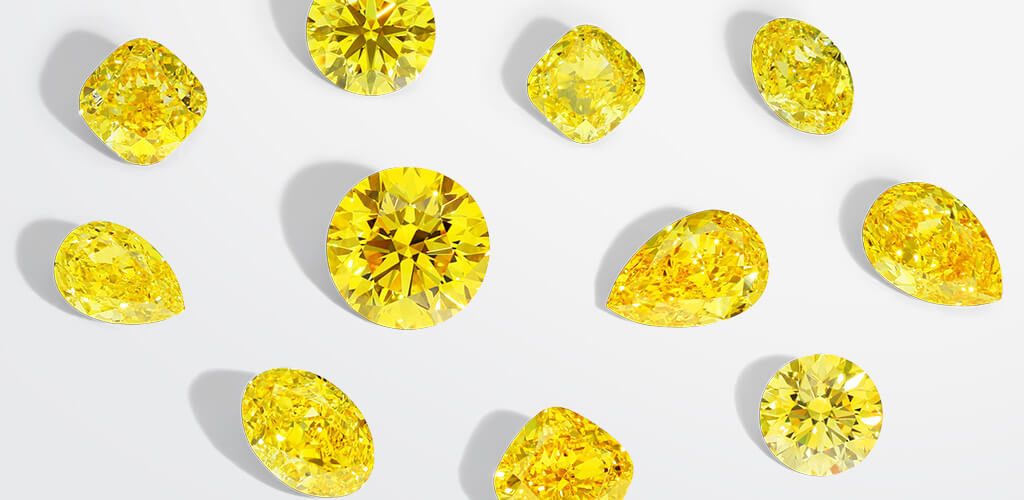
Yellow lab grown diamonds are emerging as a transformative force in the global jewelry industry. Known for their vibrant golden hue and scientifically controlled creation process, these diamonds are reshaping how consumers and designers view luxury gemstones. Unlike traditional mined diamonds, they are produced in advanced laboratory environments, offering a combination of beauty, affordability, and ethical sourcing. Their rise signals a broader shift in the industry toward innovation and sustainability.
The Shift from Natural to Lab Grown Diamonds
The jewelry industry has traditionally relied on natural diamonds, which are formed over millions of years beneath the Earth’s surface. However, changing consumer values and technological advancements have introduced a powerful alternative. Lab grown diamonds replicate the same physical, chemical, and optical properties as mined diamonds but are created in significantly shorter timeframes using controlled scientific processes.
This shift is especially visible in colored diamonds, where demand for unique and expressive gemstones is increasing. A growing number of buyers are now exploring yellow lab grown diamonds as a stylish and modern alternative to natural fancy yellow diamonds. Their affordability and consistent quality have made them an attractive option for both jewelry designers and consumers seeking value without compromising elegance.
Redefining Affordability and Accessibility
One of the most significant ways yellow lab grown diamonds are changing the jewelry industry is by making luxury more accessible. Natural fancy yellow diamonds are rare and often extremely expensive, limiting their availability to high-end markets. In contrast, lab grown versions are more cost-effective to produce, allowing for significantly lower retail prices.
This affordability has opened the door for a wider audience to experience colored diamonds. Consumers can now purchase larger stones or more intricate designs within the same budget. As a result, jewelry brands are able to offer more diverse collections that cater to different price points, expanding their customer base and market reach.
Driving Innovation in Jewelry Design
Yellow lab grown diamonds are also influencing creativity in jewelry design. Their consistent color quality and availability in various sizes give designers greater flexibility when developing new collections. Unlike natural diamonds, which may vary in tone and clarity, lab grown diamonds offer uniformity that is ideal for precise and symmetrical designs.
This consistency allows designers to experiment with bold patterns, modern aesthetics, and innovative settings. From minimalist engagement rings to elaborate statement pieces, yellow lab grown diamonds are enabling new forms of artistic expression in jewelry making. Their warm golden tone also complements a wide range of metals, enhancing their versatility in design applications.
Enhancing Sustainability in the Industry
Sustainability has become a central concern in the modern jewelry industry, and yellow lab grown diamonds are playing a key role in addressing this issue. Traditional diamond mining can have significant environmental and ethical impacts, including land disruption and resource consumption. Lab grown diamonds, on the other hand, are created in controlled environments that require fewer natural resources.
This makes them a more environmentally responsible choice for both manufacturers and consumers. As awareness of sustainability grows, many jewelry brands are incorporating lab grown diamonds into their collections to align with eco-conscious values. This shift is helping reshape industry standards and promote more responsible sourcing practices.
Technological Advancements Behind the Change
The rise of yellow lab grown diamonds is made possible by significant advancements in diamond-growing technology. Methods such as High Pressure High Temperature (HPHT) and Chemical Vapor Deposition (CVD) allow scientists to replicate natural diamond formation with remarkable precision.
These technologies also enable controlled color creation, particularly through the introduction of nitrogen during the growth process. This scientific control ensures that yellow lab grown diamonds can be produced with consistent and predictable hues, ranging from soft pastel yellow to intense fancy vivid shades. Such precision was previously impossible with natural diamonds.
Changing Consumer Preferences
Modern consumers are increasingly prioritizing value, sustainability, and individuality when purchasing jewelry. Yellow lab grown diamonds align perfectly with these preferences by offering a combination of beauty, ethical sourcing, and affordability.
Younger generations, in particular, are more open to alternative luxury products that reflect their values. As a result, demand for lab grown diamonds has surged across global markets. Jewelry brands are responding by expanding their offerings and educating consumers about the benefits of these innovative gemstones.
Impact on the Global Jewelry Market
The growing popularity of yellow lab grown diamonds is having a noticeable impact on the global jewelry market. Traditional diamond producers are now facing competition from lab grown alternatives, prompting shifts in pricing strategies and product offerings.
Retailers are also adapting by incorporating lab grown diamonds into their inventory, giving customers more choices than ever before. This increased competition is driving innovation and encouraging greater transparency across the industry. As a result, the overall market is becoming more dynamic and consumer-focused.
Conclusion
Yellow lab grown diamonds are fundamentally changing the jewelry industry by redefining affordability, sustainability, and design innovation. Their scientific creation process, combined with their vibrant appearance and ethical advantages, makes them a powerful alternative to traditional mined diamonds. As technology continues to advance and consumer preferences evolve, these diamonds are expected to play an even larger role in shaping the future of modern jewelry.
