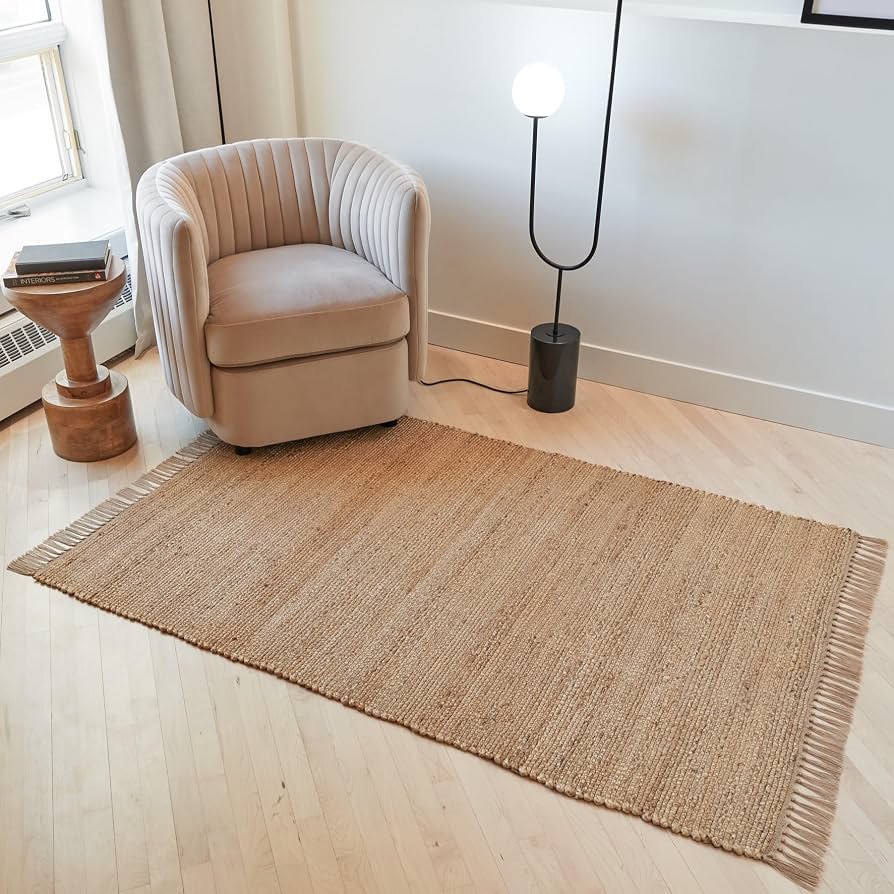
Natural flooring has become one of the defining features of contemporary Australian interiors. Homeowners and designers are increasingly choosing materials that offer authenticity, sustainability and lasting value rather than products that simply follow the latest trend. While Sisal Rugs and Jute Rugs are widely recognised, another natural fibre is steadily gaining attention among architects and interior designers looking for something distinctive- Abaca Rugs.
Known for their remarkable strength, subtle lustre and handcrafted appearance, abaca rugs combine practicality with understated luxury. They provide an elegant flooring solution for homes, executive offices, boutique retail stores and hospitality venues where both aesthetics and durability are equally important.
Although abaca has been used commercially for centuries, it remains one of the best-kept secrets in premium interior design. As more Australians discover its qualities, it is becoming an increasingly popular choice for both residential and commercial projects throughout Melbourne and surrounding suburbs.
What Is Abaca?
Abaca is a natural fibre obtained from the leaf stalks of the Musa textilis plant, often referred to as the Manila hemp plant. Despite the name, it is not related to true hemp. It belongs to the banana family and is cultivated primarily for its exceptionally strong fibres.
For generations, abaca has been used in demanding industries where durability is essential, including marine ropes, shipping lines, specialty paper and industrial textiles.
Today, these same strong fibres are transformed into beautifully woven rugs and floorcoverings that combine natural elegance with outstanding performance.
Unlike synthetic materials manufactured in factories, every abaca fibre carries subtle variations that contribute to the character of the finished rug.
Why Interior Designers Love Abaca Rugs
Interior designers often describe flooring as the foundation of every room. While furniture and décor can change over time, flooring establishes the overall atmosphere.
Abaca rugs create a refined, natural appearance without becoming the centre of attention.
Their woven texture introduces visual depth while maintaining a clean, understated aesthetic. This makes them particularly suitable for modern Australian homes where neutral colours, natural timber and stone finishes dominate.
Rather than overwhelming the room with bold patterns, abaca allows architectural features and carefully selected furnishings to take centre stage.
Exceptional Strength for Everyday Living
One of the biggest advantages of abaca is its impressive durability.
Its fibres are among the strongest available for natural flooring, allowing rugs to withstand regular foot traffic while maintaining their shape and texture.
This makes abaca suitable for:
- Living rooms
- Dining rooms
- Home offices
- Executive offices
- Boutique retail spaces
- Hotel lounges
- Reception areas
- Meeting rooms
For families with busy lifestyles, this strength translates into flooring that continues looking attractive long after installation.
A Sophisticated Alternative to Synthetic Rugs
Many synthetic rugs attempt to imitate the appearance of natural fibres.
Abaca achieves that beauty naturally.
Its subtle sheen reflects light gently, creating warmth without appearing glossy or artificial.
The texture is rich yet refined, giving rooms an inviting atmosphere that feels both contemporary and timeless.
Unlike heavily patterned synthetic flooring that may become outdated, abaca maintains a classic appearance capable of complementing changing interior styles for many years.
Blending Comfort with Practicality
Although abaca is known for strength, it also offers a comfortable walking surface.
Its woven fibres provide gentle texture beneathfoot while maintaining the structural support expected from premium natural flooring.
Many homeowners appreciate this balance because it creates living spaces that feel comfortable without sacrificing durability.
In commercial environments, this same quality contributes to professional interiors that remain welcoming for both employees and visitors.
Natural Beauty That Complements Every Style
Australian homes feature a wide variety of architectural styles.
Contemporary apartments.
Victorian terraces.
Federation homes.
Luxury waterfront properties.
Modern family residences.
Fortunately, abaca rugs complement all of them.
Their neutral colour palette works beautifully alongside:
- Timber flooring
- Stone tiles
- Concrete finishes
- White walls
- Natural timber furniture
- Linen upholstery
- Modern lighting
- Traditional décor
Because the material itself is naturally elegant, it rarely competes with surrounding design elements.
Pairing Abaca with Other Natural Floorcoverings
One of the strengths of natural flooring lies in combining different materials throughout a property.
For example:
A living room may feature an elegant Abaca Rug.
Bedrooms may include soft Jute Rugs.
Hallways might utilise durable Natural SISAL Floorcovering.
Sunrooms often benefit from Seagrass Carpets.
Entrance areas can feature Natural COIR Floorcovering because of its exceptional resilience.
Larger commercial projects may also incorporate Natural Sisal Tiles in high-traffic zones while using abaca rugs to define seating or reception areas.
This layered approach creates interiors that are practical, visually balanced and naturally welcoming.
The Value of Custom Rugs
Standard rug sizes rarely suit every property.
Open-plan homes, oversized lounges and commercial interiors frequently require dimensions unavailable through ordinary retail products.
This has contributed to growing demand for Custom Rugs manufactured from premium natural fibres like abaca.
Custom sizing allows homeowners and designers to create rugs that fit perfectly beneath furniture, define specific spaces and complement the overall proportions of the room.
The result is a more harmonious interior with greater visual balance.
Sustainability Matters
As Australians become increasingly environmentally conscious, demand for renewable building materials continues growing.
Abaca aligns well with sustainable design principles.
The plant regenerates naturally, and its fibres require relatively little industrial processing before being woven into finished products.
Choosing high-quality natural flooring also reduces dependence on synthetic materials derived from petroleum while encouraging longer product lifecycles.
Instead of replacing inexpensive rugs every few years, many homeowners invest once in a premium natural product designed to last.
Caring for Abaca Rugs
One reason homeowners appreciate abaca is that routine maintenance is relatively straightforward.
Regular vacuuming removes dust before it settles into the weave.
Furniture protectors help distribute weight evenly across the fibres, while prompt attention to spills helps preserve the rug’s appearance.
Like most natural plant fibres, abaca performs best in dry indoor environments and should not be exposed to excessive moisture.
With sensible care, an abaca rug can remain attractive for many years while developing additional character over time.
Why Quality Makes the Difference
Not all natural rugs are manufactured to the same standard.
The quality of the raw fibre, weaving technique, backing material and finishing details all influence durability and appearance.
Professional guidance becomes particularly valuable when selecting flooring for larger homes or commercial projects where long-term performance is essential.
Experienced specialists can recommend whether abaca, sisal, jute or another natural fibre best suits the intended application.
Making the right decision at the beginning often saves significant expense later.
Looking Ahead
Natural flooring continues gaining popularity throughout Australia because it offers something synthetic materials struggle to replicate—authenticity.
Rather than following changing fashions, products like abaca rugs provide timeless design supported by genuine craftsmanship and renewable resources.
As homeowners continue seeking sustainable, elegant and durable flooring solutions, abaca is likely to become an even more familiar name within Australian interior design.
Beautiful flooring should do more than cover a floor. It should contribute to the comfort, functionality and character of the entire space. Abaca Rugs achieve this by combining natural beauty, impressive durability and timeless appeal in one versatile flooring solution.
Whether used independently or alongside Sisal Rugs, Jute Rugs, Seagrass Carpets, Natural SISAL Floorcovering, Natural JUTE & WOOL Carpets, JUTE MIX Floorcovering, Natural COIR Floorcovering, Natural Sisal Tiles, or incorporated into bespoke Custom Rugs, abaca brings warmth and sophistication to both homes and commercial interiors.
For homeowners, architects, interior designers and business owners across Melbourne and surrounding suburbs, Floorspace offers a carefully curated collection of premium natural floorcoverings. Their expertise in natural fibres helps clients choose flooring solutions that combine exceptional quality, sustainable materials and timeless Australian style.
