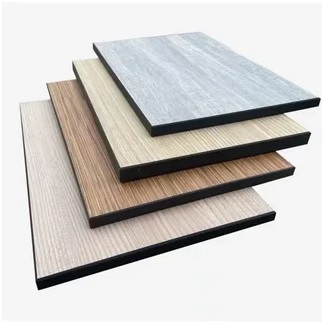
Residential interiors should balance appearance, comfort, and everyday practicality. From kitchen cabinets to wardrobes and wall panels, every surface influences how a room looks and performs. Choosing Virgo HPL World as a reference point for exploring high-pressure laminate options begins with understanding your household’s needs, each surface’s location, and the finish that suits your design. The right HPL sheet can help create a coordinated home while offering a practical surface for frequently used furniture and interior features.
Understand What HPL Sheets Are
High-pressure laminate, commonly called HPL, is a decorative surfacing material manufactured by bonding layers under heat and pressure. It is used on suitable substrates for furniture, cabinets, wall features, and other interior applications. Performance depends on specification and installation, so confirm suitability for your application.
Start With the Room and Its Requirements
Each room places different demands on surfaces. Kitchen cabinetry may face splashes, nearby cooking heat, and frequent cleaning. Bedroom wardrobes need a finish that complements the room and withstands repeated use. Living room furniture may be chosen for visual impact, while study desks need a surface suited to daily work.
List where the laminate will be installed and how each surface will be used. Consider water exposure, sunlight, cleaning frequency, and the likelihood of scratches or knocks.
Choose the Right Finish and Colour
Think about how the selected surface will relate to permanent features such as flooring, doors, and countertops. If these elements already have strong patterns, a simpler laminate may create balance. Where the room feels plain, a distinctive grain or colour can provide a focal point. Consider the size of the room, too, because large patterns can feel visually busy across extensive wardrobes or cabinetry.
HPL sheets come in solid colours, wood-inspired designs, patterns, and speciality decorative effects. A finish should support the room’s design rather than compete with other elements. Wood grains introduce warmth, while neutral shades can make a compact room feel calm and unified. Bolder colours or patterns can create accents on selected cabinets or panels.
Review physical samples alongside flooring, paint, hardware, and furniture materials where possible. Check texture as well as shade, because matte, suede, and glossy finishes create different impressions.
Match Thickness and Product Type to the Application
Thickness is a functional decision, not simply a visual preference. Standard decorative HPL is generally applied to a suitable substrate, while compact laminate is a thicker, self-supporting panel designed for specific uses. These products are not automatically interchangeable. Review technical specifications and installation requirements before selecting a product for cabinets, work surfaces, partitions, or wall applications.
Do not choose by thickness alone. Substrate quality, edge treatment, adhesive compatibility, fabrication, and installation influence the result.
Consider Durability and Maintenance
Residential surfaces are used daily, so durability matters alongside design. Review product information about scratch resistance, impact performance, heat tolerance, moisture exposure, and stain care. Hot cookware, standing water, sharp tools, or harsh cleaners can damage a surface if used incorrectly.
Choose a finish that suits your cleaning routine. Textured finishes may have different care requirements from smooth ones. Follow cleaning instructions, use a soft cloth and suitable cleaner, and avoid abrasive pads unless the manufacturer permits them.
Coordinate Laminates Across the Home
A consistent palette can connect rooms without making every space identical. Repeat a neutral shade across wardrobes and storage units, then use a wood-inspired finish for a feature cabinet or television unit. In open-plan homes, related colours and textures create visual flow between kitchen, dining, and living areas.
Create a material board before ordering. Include laminate samples, flooring, wall paint, handles, and countertop materials. View them in different lighting to identify clashing undertones.
Compare Quality, Specifications, and Value
Price matters, but the lowest initial cost may not suit your project best. Compare specifications, finish availability, design consistency, technical documentation, and application suitability. Ask suppliers about warranty conditions, care guidance, availability, and replacement options. Clarify whether the price includes sheets, substrate, fabrication, transport, and installation.
When researching the best laminates manufacturers, focus on verifiable product information, manufacturing standards, relevant documented certifications, and technical support. Compare total installation needs rather than price alone.
Review Samples and Supplier Support
A catalogue helps you explore designs, but screen colours may differ from physical material. Request samples where available and inspect them in the room’s lighting. Confirm product code, thickness, texture, and intended use before ordering.
The best laminate company for your project should offer clear product details and help identify suitable options without unsupported promises.
Plan Installation Before Purchase
Measure surfaces carefully and ask the fabricator to confirm sheet dimensions, cutting plans, grain direction, and edge details. Ensure the substrate is level, clean, and suitable. Poor preparation, incorrect adhesive, exposed edges, or rushed installation can undermine a quality product. In moisture-prone areas, joints and edges should be finished according to installation guidance.
Inspect delivered sheets for damage and store them according to supplier instructions. Coordinating the designer, supplier, and installer early can reduce delays and mismatched finishes.
Make a Practical, Informed Choice
Choosing HPL sheets for a home means balancing design preferences with everyday requirements. Identify each surface’s use, then compare product type, finish, thickness, maintenance, specifications, and total cost. Review samples and confirm installation details before ordering.
Conclusion
The right HPL sheet should suit the room, complement its design, and meet household needs. Comparing specifications, reviewing samples, and planning professional installation can help homeowners decide confidently. Rather than choosing by appearance or price alone, evaluate intended application, maintenance, and long-term suitability.
Designed to support homeowners, architects, and interior designers in selecting suitable materials, Virgo Laminates offers decorative HPL sheets, compact laminates, speciality surfaces, interior panels, exterior cladding, and aluminium solutions for varied design and architectural needs. Explore product collections, finishes, catalogues, and technical specifications to compare options for your project. Visit Virgo HPL World to learn about available surface solutions and plan your residential interior selection with informed product guidance for homes today.
