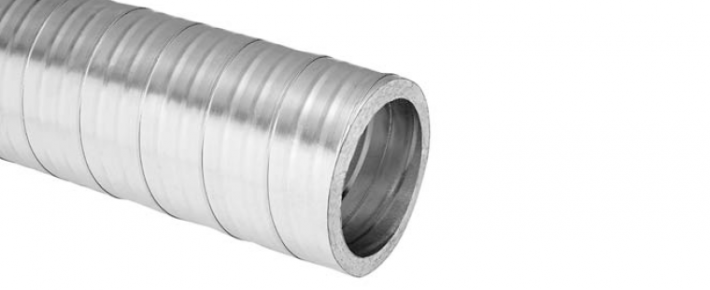
In the HVAC industry, efficient duct fabrication is essential for creating high-quality air distribution systems. Properly fabricated ducts ensure optimal airflow, energy efficiency, and reliable system performance. To meet the growing demands of modern construction and industrial applications, manufacturers rely on various types of duct fabrication machines. These machines streamline production, reduce manual labor, and improve accuracy, making them indispensable in HVAC workshops and factories.
A Duct Fabrication Machine is designed to cut, shape, bend, and assemble duct components with precision and speed. By automating these processes, businesses can maintain consistent quality, minimize material waste, and handle complex designs more efficiently. Understanding the types of duct fabrication machines and their specific uses can help contractors and manufacturers select the right equipment for their operations.
1. Guillotine Shearing Machines
Guillotine shearing machines are used for cutting sheet metal into precise shapes and sizes required for duct fabrication. They operate with a straight cutting blade that moves vertically to shear through metal sheets cleanly. These machines are ideal for producing flat panels, which can then be bent or formed into duct sections.
The primary advantage of guillotine shears is their ability to make straight, accurate cuts quickly. They are suitable for handling a wide range of materials and thicknesses, making them versatile for both small-scale and large-scale production. These machines are often the first step in the duct fabrication process, providing accurately sized panels for further processing.
2. Press Brake Machines
Press brake machines are used to bend and form sheet metal into angles and shapes required for duct construction. By using a combination of punch and die, press brakes can create precise bends in metal sheets, producing L-shaped, U-shaped, or custom-profile duct sections.
These machines are essential for achieving accurate angles and consistent bends, which are critical for maintaining airtight duct joints and proper airflow. Press brakes can handle various material thicknesses and are widely used in both commercial and industrial duct fabrication applications.
3. Pittsburgh Lock Forming Machines
Pittsburgh lock forming machines are designed to create lock seams in sheet metal ducts, which allow pieces to interlock securely during assembly. These machines form a groove or flange along the edges of metal sheets, enabling quick and efficient joining without the need for welding or additional fasteners.
Lock forming machines improve assembly speed and reduce labor costs while ensuring airtight connections. They are particularly useful in producing rectangular and square ducts where secure joints are necessary for maintaining system performance and reducing leakage.
4. Roll Forming Machines
Roll forming machines are used to create continuous shapes such as round ducts or specialized profiles from flat sheet metal. The metal passes through a series of rollers that gradually bend it into the desired shape. These machines are highly efficient for producing long duct sections with uniform dimensions.
The main advantage of roll forming machines is their ability to handle high-volume production with consistent quality. They are commonly used in manufacturing circular ducts, spiral ducts, and other cylindrical components that require precision and smooth surfaces.
5. Notching Machines
Notching machines are employed to cut out specific sections or corners from sheet metal panels. This process is necessary for creating precise connections, corners, or angles that fit accurately during duct assembly. Notching ensures that duct components align perfectly, improving both appearance and functionality.
These machines are particularly beneficial when fabricating complex duct configurations or custom shapes. They reduce manual cutting errors, save time, and ensure that duct joints are smooth and properly aligned.
6. Flanging Machines
Flanging machines are used to create flanges on the edges of duct panels, which are necessary for connecting different sections securely. These flanges provide a strong and airtight seal, which is essential for energy efficiency and system performance.
Flanging machines simplify the joining process by producing uniform flanges quickly and accurately. They are especially useful in commercial HVAC applications where large duct sections need to be assembled efficiently without compromising airtightness.
7. Automated or CNC Duct Fabrication Machines
Advanced automated or CNC duct fabrication machines integrate multiple functions, including cutting, bending, notching, and forming, into a single system. These machines are controlled by computer software, allowing precise and repeatable fabrication of complex duct designs.
CNC machines are ideal for high-volume production and custom ductwork. They reduce labor requirements, minimize material waste, and improve overall consistency. These machines can handle intricate designs and complex shapes that would be challenging and time-consuming to produce manually.
Conclusion
Duct fabrication machines play a critical role in modern HVAC production by enhancing efficiency, precision, and consistency. From guillotine shearing and press brakes to roll forming and CNC systems, each type of machine serves a specific function in the duct fabrication process. By selecting the appropriate equipment, manufacturers can streamline production, reduce labor costs, and maintain high-quality standards.
Investing in the right duct fabrication machines ensures that HVAC systems perform reliably, maintain energy efficiency, and meet the demands of residential, commercial, and industrial applications. As technology continues to evolve, these machines will remain essential for producing durable, accurate, and efficient ductwork.
